
- By Chetna Shree
- Thu, 21 May 2026 11:14 AM (IST)
- Source:JND
- Delhi experiences severe heatwave, high temperatures persist at night.
- Urban Heat Island effect traps heat in concrete structures.
- Lack of green cover exacerbates nighttime heat, needs urban planning.
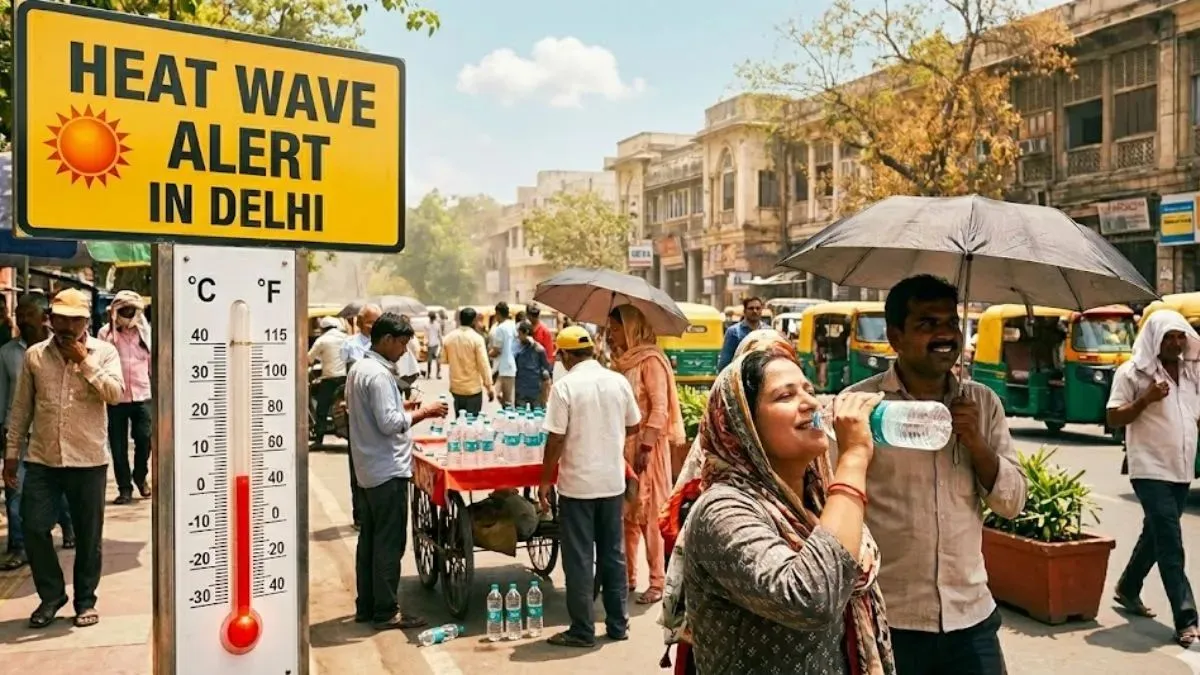
Delhi Weather: A severe heatwave gripped the national capital for the second consecutive day on Wednesday, with the daytime temperatures hovering at 45 degrees Celsius.
However, what makes this current spell particularly punishing is that the heat lingers long after sunset. Instead of cooling down, the city traps the daytime heat, turning homes into ovens and offering little to no relief.
This raises a critical question: why does Delhi stay so hot even at night?
Why Delhi Stays So Hot Even At Night?
The primary reason behind Delhi's suffocating nights is the way the city is built.
Concrete roads, brick buildings, asphalt, and dense construction act as massive 'heat sponges'. During the day, these dense structures soak up the sun's constant heat and energy and hold onto it. After sunset, instead of allowing the city to cool down, they release this trapped heat back into the air.
This phenomenon is known as the Urban Heat Island (UHI) effect, which keeps metropolitan cities 1 degrees Celsius to 6 degrees Celsius hotter than neighbouring rural areas.
The lack of green cover further exacerbates the situation, especially in crowded neighbourhoods. With a lack of trees and green spaces, the city has no natural shield to absorb or block this stored heat. As a result, buildings and roads continuously radiate warmth deep into the night, preventing the usual drop in temperature.
According to a report by India Today, emissions from vehicles, air conditioners, and industries add to the heat, ensuring Delhi stays hot even after sunset.
What's Ahead?
The solutions are actually simple, according to urban climate experts. Mitigating this nighttime heat crisis requires smarter, greener urban planning. Key strategies include expanding green spaces, implementing 'cool roofs', and designing better-ventilated city layouts, the report added. Additionally, heat action plans must evolve to address nighttime temperatures as well.
Until these changes are implemented, Delhi's scorching summers will continue to test residents' limits even after the sun goes down.