
- By Kamakshi Bishnoi
- Mon, 25 May 2026 10:25 PM (IST)
- Source:JND
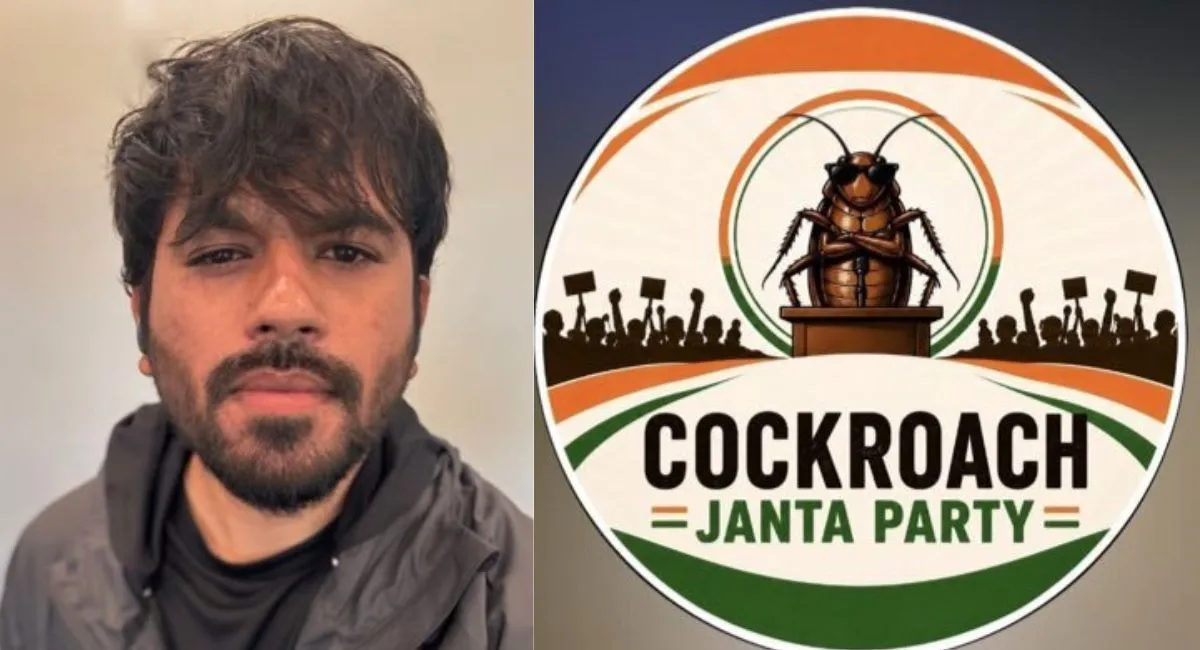
The founder of the viral Cockroach Janta Party (CJP), Abhijeet Dipke, has moved the Delhi High Court after the collective’s official X account was blocked amid its sudden rise on social media.
The plea, filed through advocate Nakul Gandhi, challenges the May 21 decision to withhold the account. The action came barely five days after the satirical outfit was launched and rapidly gained traction online.
Hours after its X handle was blocked, the collective resurfaced under another account named “Cockroach is back”, posting: “You thought you could get rid of us, Lol.”
Under X’s content policy, accounts may be restricted in specific countries if the platform receives valid legal requests from authorised agencies or if the content is found to violate local laws.
The controversy traces back to remarks attributed to Chief Justice of India Surya Kant during a hearing related to the designation of senior advocates, where “youngsters” were allegedly referred to as “cockroaches” and “parasites”. The CJI later clarified that he had been misquoted and said his comments were aimed at individuals entering the legal profession with “fake and bogus degrees”, not at unemployed youth.
Soon after its launch, the Cockroach Janta Party witnessed explosive growth on social media. Its Instagram following reportedly crossed 22.9 million, overtaking the official BJP page on the platform. The group also attracted thousands of sign-ups through online membership campaigns.
Dipke’s move in the High Court comes shortly after a separate petition was filed in the Supreme Court seeking action against the satirical group. The petition alleged that the campaign was using the court’s May 15 observations for “sensational dissemination”.
A three-judge bench led by the CJI, however, declined an urgent hearing in the matter. “There is no grave urgency. We will consider it in due course of time,” the bench told the petitioner’s counsel.
Meanwhile, several opposition leaders and social media users have linked the campaign’s popularity to growing frustration among unemployed youth, with some describing the movement as a form of “digital protest” against the political establishment.