
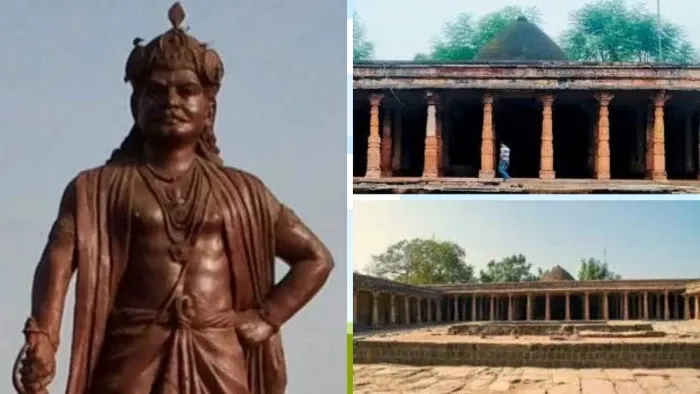
- By Priyanka Koul
- Fri, 15 May 2026 04:41 PM (IST)
- Source:JND
The Madhya Pradesh High Court has delivered its verdict in the long-standing Bhojshala-Kamal Maula Mosque complex dispute, bringing legal clarity to the decades-old controversy over the site.
In its ruling on Friday, the court held that the Bhojshala complex is to be treated as a temple. It further stated that arrangements for the mosque side will be made separately, including the possibility of allocating alternative land, for which the concerned party may approach the government. The decision effectively means that namaz will no longer be permitted at the site, and only Hindu religious prayers will be allowed going forward.
Meanwhile, the Muslim side is expected to approach the Supreme Court against the verdict.
During the hearing in the Indore High Court, several key issues were examined, including the Archaeological Survey of India (ASI) scientific survey report, Sanskrit inscriptions, architectural remains, the Vagdevi idol, and arrangements for prayers and namaz.
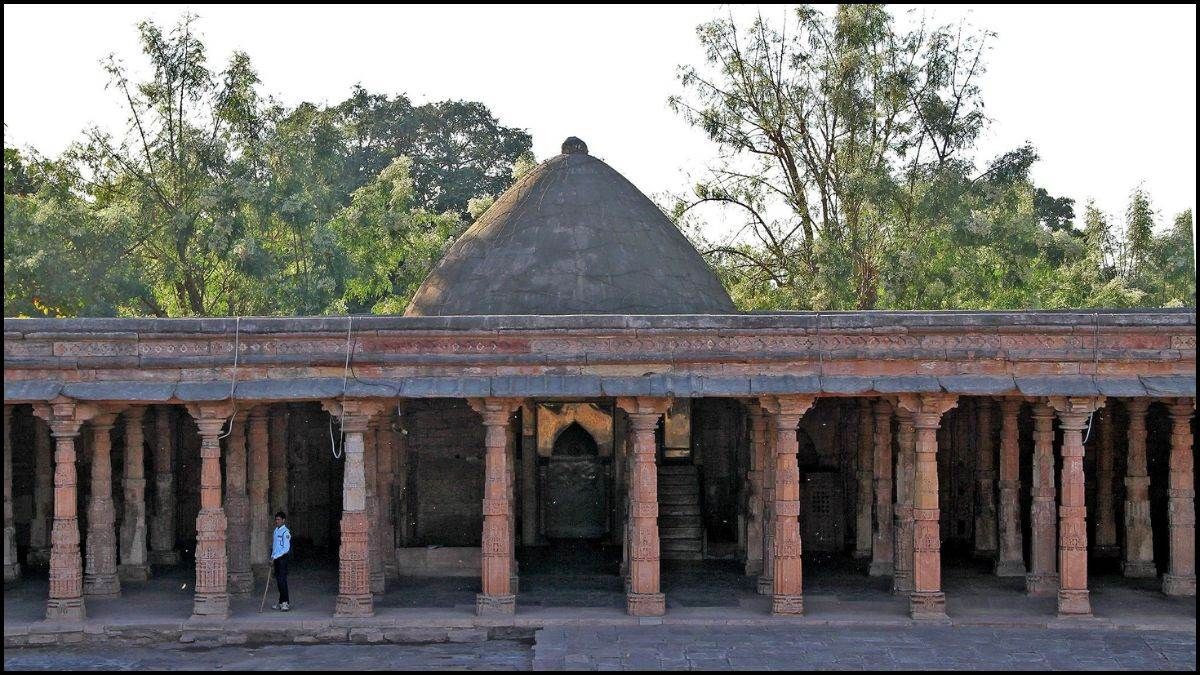
The Hindu side has traditionally regarded Bhojshala as an ancient temple of Goddess Saraswati and a centre of Sanskrit learning. The Muslim side, however, refers to the structure as the Kamal Maula Mosque and asserts its religious rights over the site. The dispute has raised complex questions involving history, faith, archaeology, and law.
ALSO READ: Kerala: How Sonia Gandhi's Call To AK Antony Solved Satheesan vs Venugopal Dispute Over CM Post?
What is Bhojshala-Kamal Maula Dispute?
The Hindu side believes Bhojshala is an ancient temple of Goddess Saraswati and a Sanskrit learning center. The Muslim side, however, identifies it as the Kamal Maula Mosque. These competing claims have been at the heart of the controversy for decades.
At present, the complex is a protected monument under the control of the Archaeological Survey of India (ASI). Traditionally, arrangements have allowed Hindu prayers and Muslim namaz on different days of the week.
Timeline of the Bhojshala-Kamal Maula Dispute
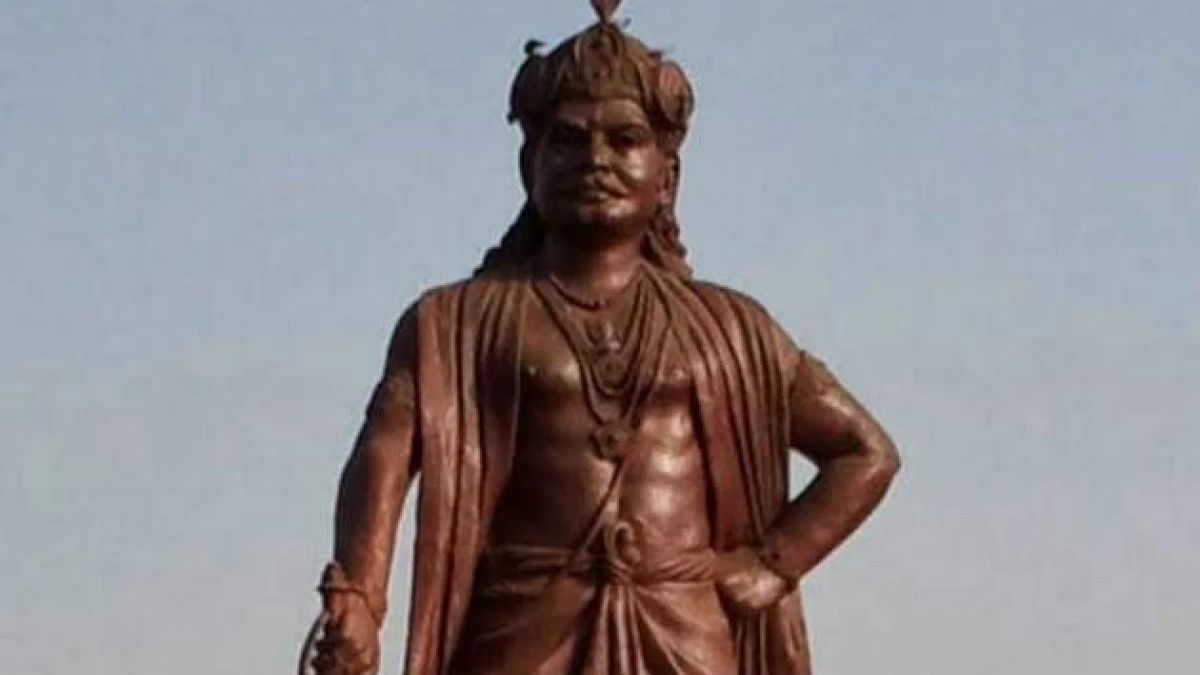
- 1010-1055: Reign of Raja Bhoj
- 1034: Mention of Saraswati Sadan construction
- 1305-1409: Invasions in Malwa and structural changes
- 1459: References to structures linked to Kamal Maula
- 1875: Claim of discovery of the Vagdevi idol during excavation
- 1909: Declared a protected monument
- 1934: Administrative orders issued regarding Bhojshala and Kamal Maula Mosque
- 1952: Bhoj festival begins being observed on Vasant Panchami
- 2003: Separate arrangements introduced for Hindu prayers and namaz
- 2022: Fresh writ petition filed in the High Court
- 2024: Order issued for ASI scientific survey
- 2026: Court declares Bhojshala complex as a temple
What Did ASI Survey Find?
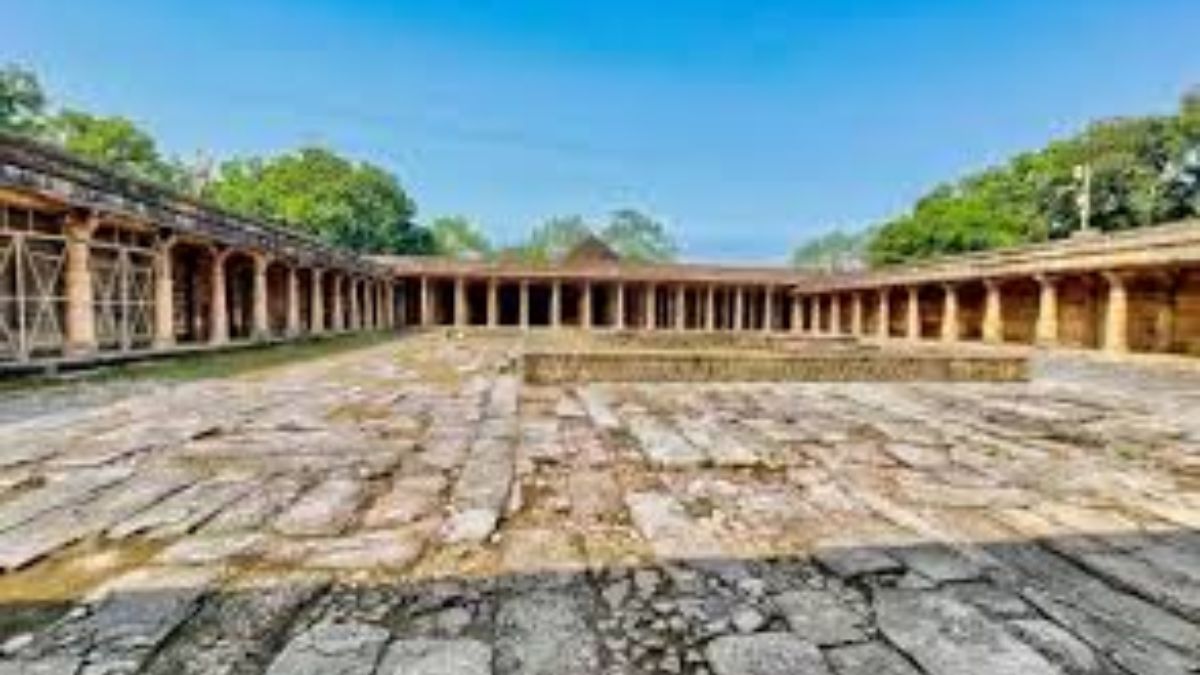
The ASI submitted a detailed report running over 2,000 pages. It recorded remains of temple-style structures, sculptures, pillars, inscriptions, and other architectural elements within the complex. The report also stated that parts of earlier structures appear to have been reused in the current construction.
The survey used scientific methods including excavation and Ground Penetrating Radar (GPR).
Here are some key Findings of the ASI Report:
- Evidence of a large Paramara-era structure at the site
- 106 pillars and 82 pilasters linked to temple-style architecture
- Sanskrit and Prakrit inscriptions older than Arabic and Persian inscriptions
- Several damaged idols and carvings discovered
- Indications that parts of the current structure were built in a hurried manner
What Happened In 2003?
Under a 2003 administrative arrangement, the ASI issued an order on April 7, 2003, permitting Hindus to worship at the complex every Tuesday and Muslims to offer namaz there every Friday. The Hindu side challenged the order in the High Court, seeking exclusive rights to worship at the complex.
However, tensions occasionally arose, particularly when Vasant Panchami and Friday fall on the same day, leading to disputes and, at times, unrest.