
- By Aditya Pratap Singh
- Wed, 06 May 2026 01:35 PM (IST)
- Source:PTI
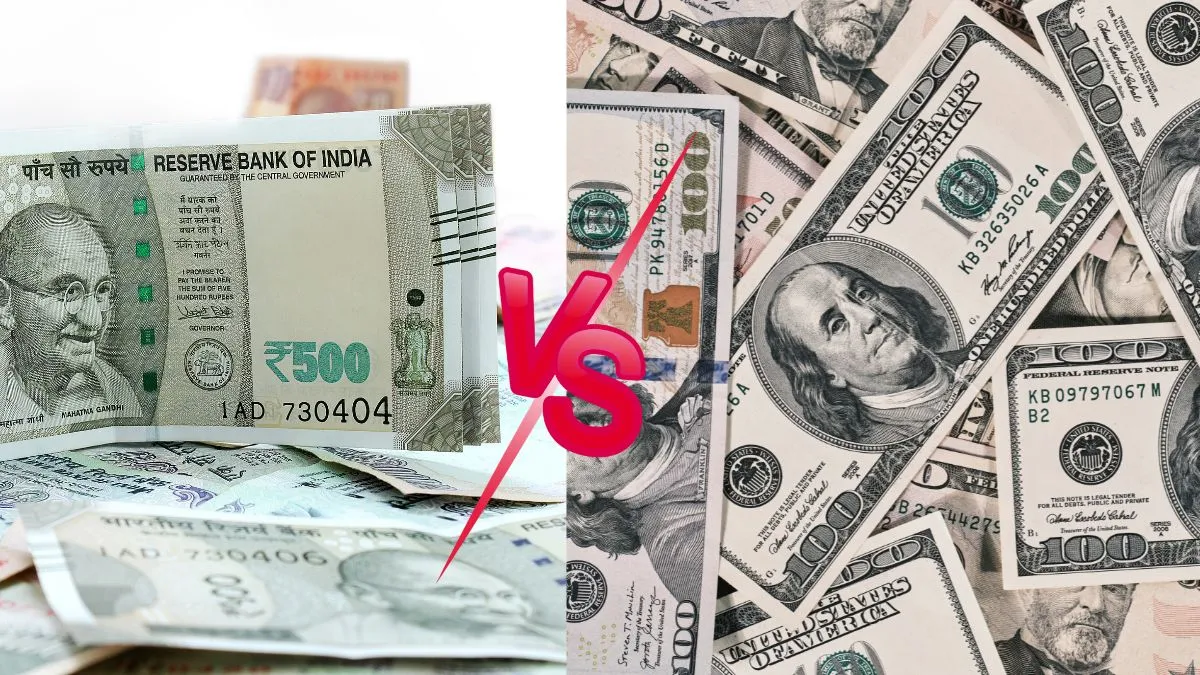
Rupee Vs Dollar Outlook 2026: The Indian Rupee is likely to trade broadly sideways at around Rs 95 per US dollar by the end of 2026, from its current level of Rs 95.20 per US dollar, with the Iran conflict expected to weigh on its value, BMI said on Wednesday. However, slowing profit repatriation and central bank currency intervention will limit the pace of rupee depreciation, the Fitch group company said in a report.
The US-Iran conflict has exerted downward pressure on emerging market currencies, especially for large energy importers like India. The rupee depreciated 4 per cent during March-April 2026 and currently trades at Rs 95.20/USD.
BMI said it expects India's GDP to grow 7.6 per cent and inflation to hit 3.4 per cent during the current fiscal year (April 2025-March 2026). As a result of the currency's weakness, the Reserve Bank of India (RBI) intervened heavily in currency markets to stabilise the rupee.
"Going forward, we expect the rupee to trade broadly sideways to end the year around Rs 95.00/USD. Our forecast of the rupee trading sideways by the end of 2026 reflects bearish and bullish factors balancing each other out," BMI said.
Also Read: Kiran Mazumdar-Shaw Picks Claire Mazumdar As Biocon Successor, Who Is She?
BMI expects the war to widen India's current account deficit by 0.4 percentage points to hit 1.3 per cent of India's GDP in the new fiscal year.
This largely reflects India's reliance on energy imports, which amounted to 22 per cent of total imports in FY2025-26 and is expected to rise in FY2026-27.
The conflict could also worsen the deficit by reducing remittance income.
BMI estimates that 38 per cent of India's remittance inflows during 2025 stemmed from Gulf countries and comprised about 1 per cent of India's GDP.
" If the conflict weighs on the incomes of Indian workers in the Gulf severely, the current account deficit could come in even wider than we forecast," BMI said.
It also expects financial portfolio outflows in FY2026-27 to maintain pressure on the rupee, given rising risk aversion to emerging markets.
While BMI's local policy uncertainty index for India fell sharply in March, possibly reflecting the India-US trade deal signed in February, the same index for global uncertainty rose over the same month, suggesting emerging market currencies could remain under pressure.
"Given elevated policy uncertainty due to the Iran war and tariffs, we believe net portfolio inflows will remain subdued. Recent data from the Institute of International Finance supports this view: capital outflows from the country during March amounted to USD 13.4 billion, the largest single-month outflow since the pandemic," it added.
The Indian currency has fallen 10 per cent in value over the past 12 months. The last time the rupee experienced a similar decline was during January 2022-December 2022, when interest rate differentials shifted markedly in the US dollar's favour.
Then, the RBI intervened aggressively to curb the rupee's fall, causing a 13 per cent drop in foreign reserves, BMI said.
" We think the RBI will use its seven months' worth of import cover to counteract sentiment-driven outflows and stabilise the currency in the coming quarters," BMI said.
Disclaimer: This story has been directly published from the agency feed (PTI). No changes have been made except the headline.