- By Bornika Das
- Thu, 01 Jan 2026 02:57 PM (IST)
- Source:JND
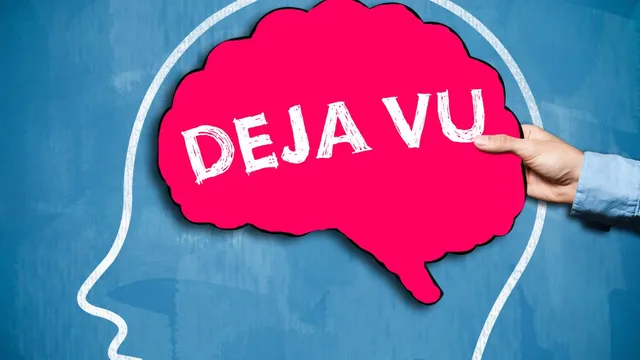
The Science Behind Déjà Vu: You must have experienced feeling strangely similar, as if a situation or a moment you have known before. While it may have puzzled you a number of times, strangely, this phenomenon is known as déjà vu. Scientifically, déjà vu occurs when there is a misfire of a portion of the human brain, known as the temporal lobe, which plays an important role in memory organisation. This makes one believe that they are familiar with a situation when they are really not.
What Is Déjà Vu?
Déjà vu is a false sense of familiarity when the brain creates a sensation as if you’ve been in a certain situation before, but you haven’t. Thus, you’re unable to retrieve it from the memory and can’t identify the actual situation.
ALSO READ: The Science Behind Positive Thinking: How Optimism Improves Mental Well-Being
What Causes Déjà Vu Scientifically?
It happens when there’s a miscommunication between two parts of your brain: The one responsible for memories (your temporal lobe) and the one responsible for taking in new information ( your hippocampus).
However, if there’s a problem with how the hippocampus interacts with its surroundings, it can create a false memory that we experience as déjà vu. Memories and new experiences get wrapped up in each other. It is mainly disruption if the recognition and memory systems that give you that false sense of familiarity. Dopamine surges or minor seizures can spark this illusion, thus explaining why it's common in youth, as our brains are still wiring extensively.
Recommended For You





Déjà Vu Causes (Image Credits: Canva)
Also, you may be more déjà susceptible to déjà vu if you:
- Have a high level of education
- Travel a lot
- Remember your dream
Synonyms Of Déjà Vu
Synonyms of déjà vu are often linked to other words that describe similar feelings. Take a look at some of the symptoms of déjà vu:
- Familiarity illusion
- Memory illusion
- Paramnesia
- Recognition anomaly
ALSO READ: The Science Behind Power Nap: Ideal Duration And Benefits Explained
It demystified itself as a fleeting biological glitch where the familiarity pathways overpowered the context in the memory loops, tricking us into loops of confusion. Whether it’s glitches in our temporal lobes or the workings of dopamine, the scientific world shows us that it’s never supernatural and always human. Thus, people can become more mindful of the fact that our brains are weavers of reality out of these sparks of moments.