
- By Bornika Das
- Sat, 10 Jan 2026 07:40 PM (IST)
- Source:JND
Numerous couples tend to get trapped in the ‘Wait And See’ phase and overlook the fact that fertility is affected by age and lifestyle factors. Ageing affects the fertility of both men and women. Women's eggs become fewer in number and less quantifiable beyond the age of 35 years. On the other hand, the count and mobility of men's sperm reduce at the age of 40 and beyond. Moreover, unhealthy lifestyle factors such as smoking, alcohol consumption in large amounts, being overweight, and an improper diet accelerate the reduction in fertility as a result of the disturbance in the endocrine system.
Stress, sedentary living, and environmental toxins further compound the 'Wait And See' trap, impeding ovulation in women and sperm production in men. In conversation with The Daily Jagran, Dr Deepthi Ashwin, Consultant - Obstetrics and Gynaecology, Aster Whitefield Hospital, explains how age and lifestyle choices impact fertility in both men and women after they fall under the trap of ‘Wait and See.’
The Ovarian Reserve And The Effects Of Age
For women, the number and quality of eggs are determined at birth, gradually dwindling with age. Fertility levels start to decline in the early thirty ’s, more so after the age of thirty-five. For men, the situation is not so different. Dr Deepthi Ashwin states, “Although sperm production is ongoing throughout one’s lifetime, the motility level of sperms and the quality of sperm DNA also decline.”
Recommended For You




ALSO READ: Craving Sweets During Pregnancy? Doctor Explains Why It Happens And When It Becomes Dangerous
Silent Health Conditions Which Remain Unnoticed
The ‘wait and see’ approach is based on the assumption that everything is functioning well. Many fertility-influencing situations can occur without showing any symptoms. Dr Deepthi Ashwin states, “Thyroid conditions, polycystic ovary syndrome, endometriosis, fibroids, varicoceles, or metabolic disorders can occur without showing noticeable symptoms.” When couples finally begin trying, these issues may have progressed, leaving little time for easy treatment.
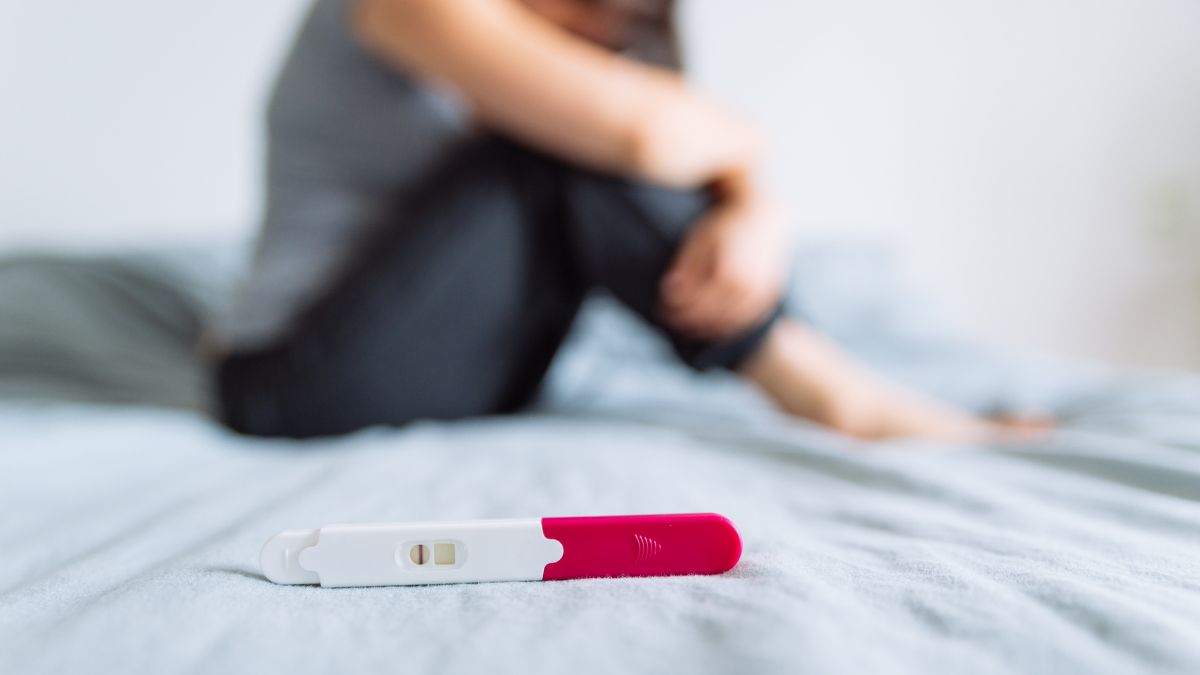
Wait And See Trap In Pregnancy (Image Credits: Canva)
Lifestyle, Stress And The Illusion Of Control
Postponing childbearing often goes along with lifestyles of very high stress, poor sleep patterns, an inactive lifestyle, and substandard eating habits. All these conditions affect fertility by interfering with ovulation, hormonal regulation, and sperm function. The mindset that fertility levels remain unchanged until one feels ready to conceive clouds the underlying annual physiological changes.
ALSO READ: Pregnancy Myths vs Facts: Doctor Shares What Expectant Mothers Really Need To Know
Waiting for the perfect time to start a family is understandable, but fertility is not patient. The “wait and see” mindset can unintentionally shrink reproductive options and lead to emotional and financial strain later. Early awareness, timely health checks, and proactive planning allow couples to make informed decisions while the biological window is still wide open. In matters of fertility, timing truly is everything.