

- By Bornika Das
- Tue, 27 Jan 2026 07:45 PM (IST)
- Source:JND
An abnormal Pap screen indicates possible cellular alterations within the cervix, commonly attributed to HPV exposure, requiring immediate follow-through, such as colposcopy or biopsy. Missing this step enables precancerous lesions to progress quietly, as high-risk HPV can transform into invasive cervical cancer over time, significantly impairing survival rates. Physicians emphasise that early intervention can prevent most instances, but delays due to non-compliance or gaps in the system enable preventable harm.
Personal fears, misinformation, or lack of access are common deterrents from follow-up care, but nonresponse to an abnormal result means forgoing the potential of early detection, where almost cervical cancers can be prevented. In conversation with The Daily Jagran, Dr Vani Ravikumar, Vice President- Lab Operations, R V Metropolis Healthcare Ltd. (Karnataka), explains what happens when women skip follow-up after an abdominal pap smear.
Understanding The Issue
A Pap smear is a screening test designed to detect abnormal changes in cervical cells, often caused by human papillomavirus (HPV). While most abnormalities are not cancer, they can indicate precancerous changes that require monitoring or treatment. Dr Vani Ravikumar states, “Despite the importance of follow-up care, a significant number of women fail to return after receiving abnormal results. This phenomenon is influenced by psychological, social, cultural, and systemic factors.”
Recommended For You




ALSO READ: Can Stress Increase Cervical Cancer Risk? What Doctor Wants Women to Know
Psychological Barriers: Fear of cancer diagnosis: Many women equate “abnormal” with cancer. The anxiety surrounding a potential cancer diagnosis can lead to avoidance rather than proactive care.
Denial and avoidance: Some women prefer not to confront the possibility of illness, believing that ignoring the issue may make it disappear.
Fear of procedures: Follow-up often involves colposcopy or biopsy, which can sound intimidating or painful. This discourages attendance.
Lack Of Awareness And Misunderstanding
Confusion about results: Women may not understand that abnormal Pap results often reflect temporary HPV infections or minor cell changes, not cancer.
Underestimation of risk: Some assume the abnormality will resolve naturally and do not realise the importance of monitoring.
Poor communication: Healthcare providers may fail to explain clearly why follow-up is essential, leaving patients uncertain or unconvinced.
Cultural And Social Factors
Stigma around sexual health: Since HPV is sexually transmitted, women may fear being judged or stigmatised. In conservative societies, reproductive health issues are often taboo.
Embarrassment: Discussing cervical health can feel uncomfortable, leading women to avoid further appointments.
Family and social pressures: In some cultures, women prioritise family responsibilities over their own health, delaying or skipping medical care.
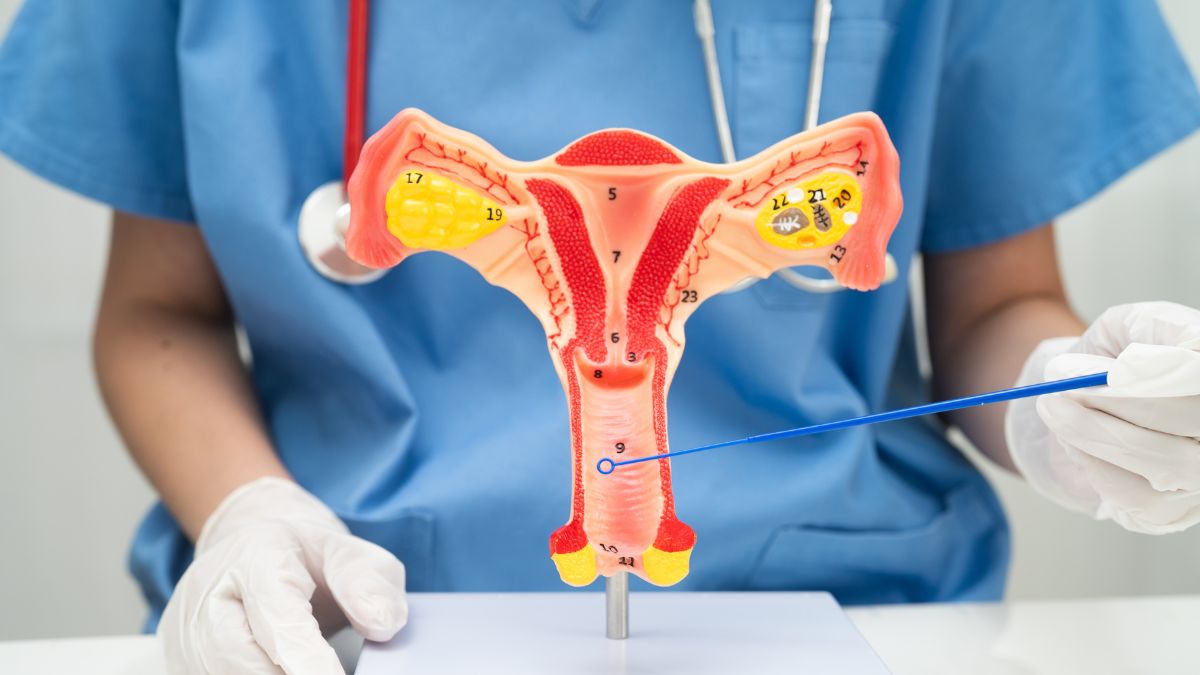
Abnormal Pap Smear Explained (Image Credits: Canva)
Financial And Accessibility Challenges
Cost of care: Follow-up procedures such as HPV testing, colposcopy, or biopsy can be expensive, especially in low-resource settings.
Limited access: Rural or underserved areas may lack gynaecological services, requiring long travel times.
Work and childcare conflicts: Women often juggle multiple responsibilities, making it difficult to schedule and attend appointments.
Systemic And Healthcare-Related Issues
Long wait times: Overcrowded clinics and long queues discourage women from returning.
Lack of reminder systems: Without follow-up reminders via phone or SMS, many women forget or deprioritise appointments.
Distrust in healthcare: Past negative experiences, poor communication, or perceived insensitivity from providers can reduce compliance.
Consequences Of Skipping Follow-Up
Progression of disease: Precancerous lesions can silently progress to cervical cancer if untreated.
Delayed treatment: Early interventions are simple and effective, but delays can necessitate more invasive procedures.
Increased mortality: Cervical cancer is highly preventable, yet missed follow-ups contribute to avoidable deaths.
Strategies To Improve Follow-Up
Patient education: Clear communication that abnormal Pap results do not equal cancer but require monitoring.
Counselling and support: Addressing fear and stigma through empathetic counselling.
Affordable care: Subsidised or free follow-up services in public health programs.
Accessibility improvements: Mobile clinics and flexible hours to accommodate working women.
Reminder systems: SMS, phone calls, or digital apps to prompt women about appointments.
Community outreach: Awareness campaigns in schools, workplaces, and rural areas to normalise cervical health discussions.
ALSO READ: Why Cervical Cancer Is Often Diagnosed Late And How To Prevent It; Know From Doctor
Skipping follow-up after an abnormal Pap smear is a multifaceted issue rooted in fear, stigma, lack of awareness, financial constraints, and systemic barriers. Addressing these challenges requires a combination of education, accessible healthcare, supportive communication, and community engagement. By tackling these barriers, healthcare systems can ensure that women receive timely care, preventing the progression of cervical abnormalities into cancer and ultimately saving lives.