

- By Bornika Das
- Tue, 27 Jan 2026 07:50 PM (IST)
- Source:JND
Sprains and strains are frequently confused injuries because of their similar symptoms, such as pain, swelling and reduced mobility, although they occur in different tissues. A sprain is a stretched or torn ligament, which is a joint-stabilising band of tissue, usually due to a sudden twist, such as an ankle turn during sports or a misplaced step. Strains are muscle or tendon injuries caused by overuse, lifting heavy objects, or sudden pulling, resulting in cramping or weakness. Physicians advise that neglecting initial symptoms can lead to further injury and both injuries are classified from mild (overstretch) to severe (tears), with symptoms of bruising indicating a sprain and muscle spasms indicating a strain.
It is important to differentiate them early because, if left untreated, they may lead to chronic instability or muscle tears. In conversation with The Daily Jagran, Dr Mir Zia Ur Rahman Ali, Senior Consultant, Orthopaedic Surgeon, CARE Hospitals, Banjara Hills, Hyderabad, points out the symptoms of sprain or strain.
Knowing What’s Injured
A sprain involves damage to ligaments—the tissues that stabilise joints, while a strain affects muscles or tendons. Dr Mir Zia Ur Rahman Ali states, “In the early stages, both may look similar, causing pain, swelling, and limited movement.” The danger comes from carrying on with regular activity before the tissue has fully healed, which can make the injury worse.
Recommended For You




ALSO READ: Experiencing neck pain too often? Try these 4 easy exercises to get rid of it
When Home Care Falls Short
Pain that lingers for several days, swelling that refuses to ease, or discomfort that worsens with movement should not be taken lightly. Trouble bearing weight on the injured limb, or pain severe enough to disturb sleep, often points to deeper tissue injury rather than a routine strain.
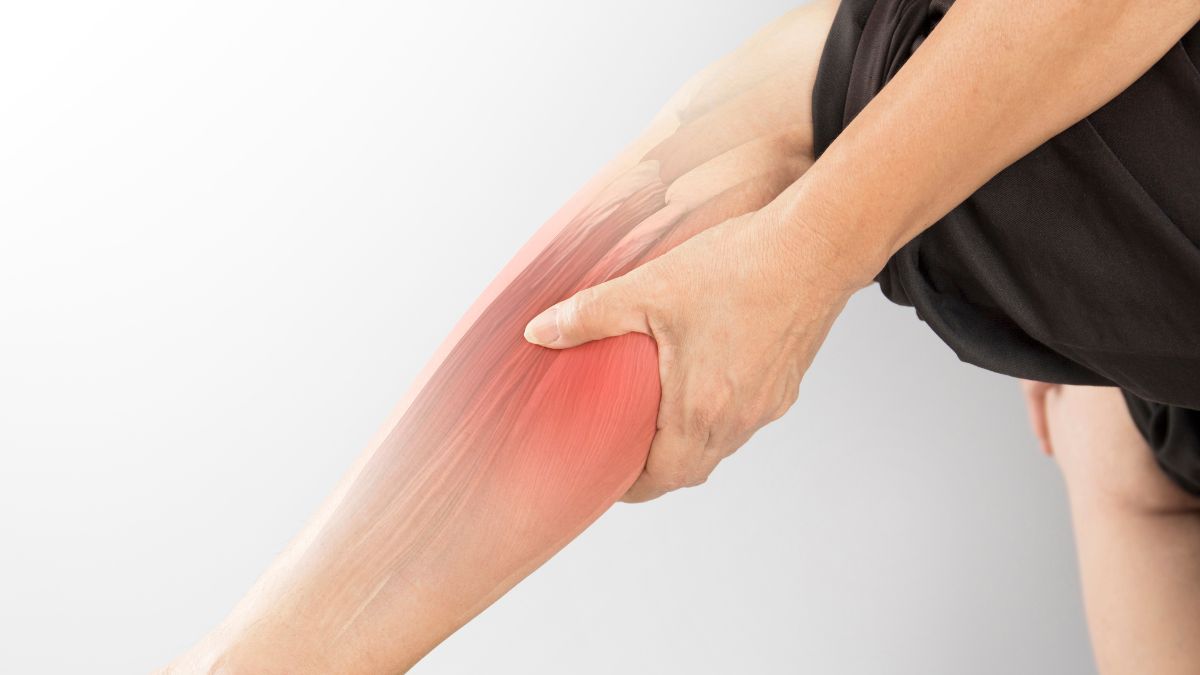
Sprain Or Strain Injury (Image Credits: Canva)
Dr Mir Zia Ur Rahman Ali states, “A feeling of instability, repeated giving way of a joint, or weakness that affects routine tasks is another important warning. These symptoms often indicate that the supporting structures are not functioning as they should.”
Signs That Shouldn’t Be Ignored
Sharp pain immediately after the injury, a visible deformity, numbness, tingling, or loss of movement should never be ignored and requires a doctor’s assessment. Dr Mir Zia Ur Rahman Ali mentions, “If a joint or muscle keeps getting injured, it often shows that it didn’t fully recover from the first injury, or that the surrounding muscles haven’t regained enough strength to protect it properly.”
ALSO READ: What Are The Top 5 Most Common Sports Injuries And How To Treat Them? Know From Doctor
Why Early Attention Matters
Early medical assessment helps identify the extent of injury and rule out hidden damage. With timely treatment, whether through physiotherapy, support devices, or guided rehabilitation, most people recover well and avoid long-term stiffness or chronic pain. Sprains and strains happen often, but persistent pain is never normal. Getting care early can prevent long-term problems and make a real difference.