
- By Ridam Sharma
- Wed, 25 Feb 2026 04:40 PM (IST)
- Source:JND
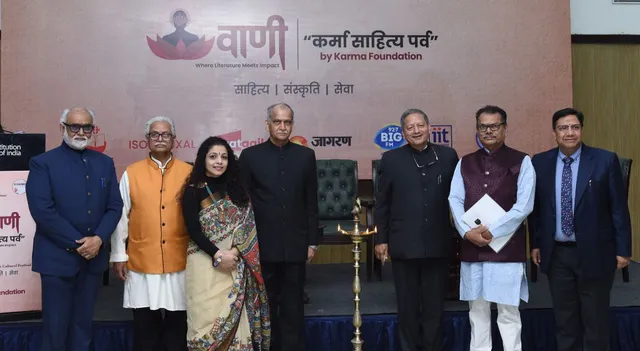
VANI – KARMA Sahitya Parv 2026 was convened at the Constitution Club of India under the theme “Sahitya • Sanskriti • Seva – Nurturing an Atmanirbhar Viksit Bharat Through Knowledge and Culture.” Curated by KARMA Foundation and led by Festival Director Dhwani Jain, the 2026 edition positioned literary discourse within a broader framework of national development, democratic responsibility, and cultural policy engagement.
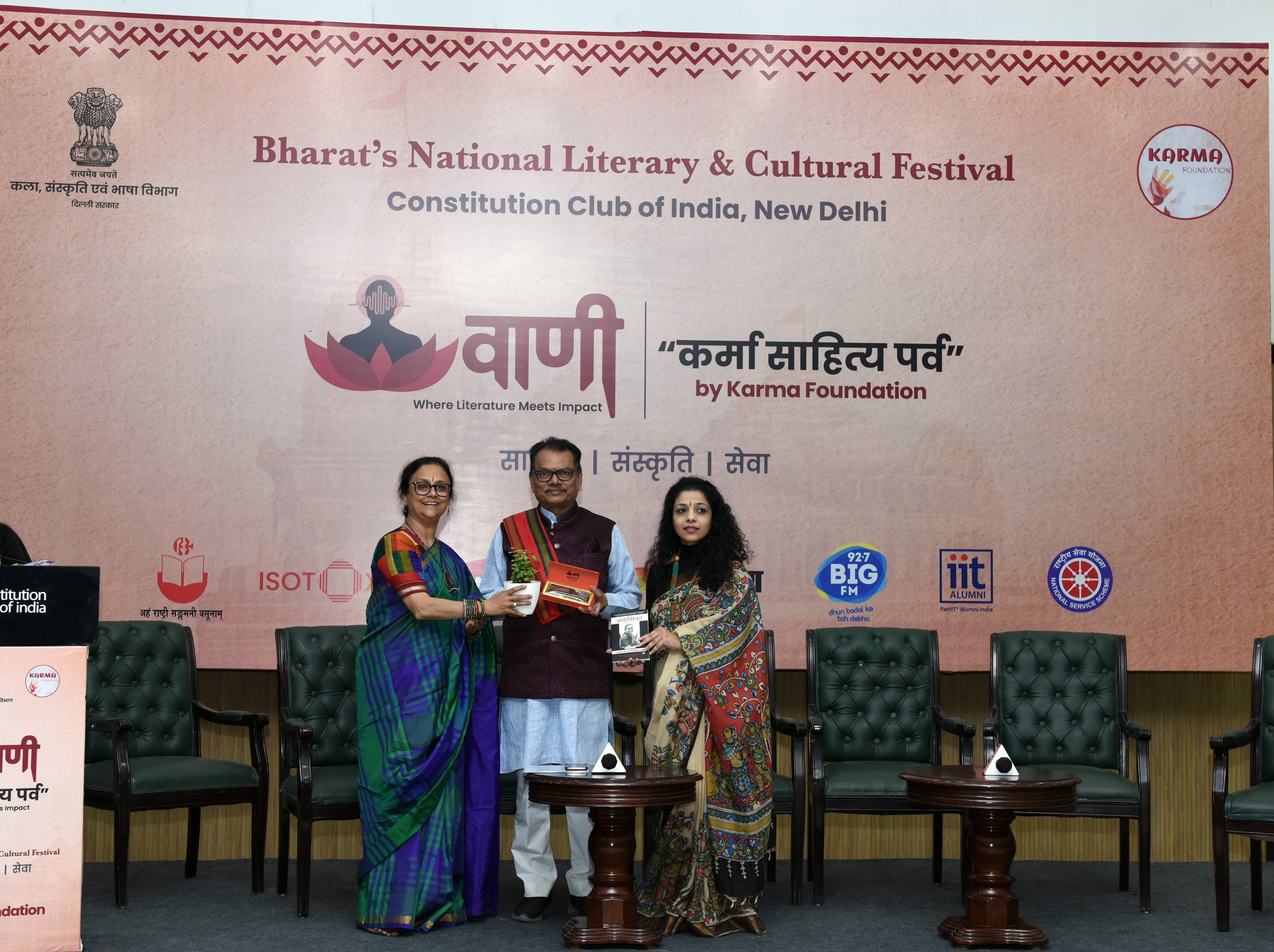
VANI-KARMA Sahitya Parv 2026 Concludes (File Image)
The festival was graced by Dr Rabindra Narayan Behera, Hon’ble Member of Parliament, as the Chief Guest. In his address, Dr Behera underscored the role of literary scholarship and intellectual traditions in sustaining democratic institutions and shaping long-term national consciousness. His remarks framed culture not as ceremonial expression, but as a structural pillar of governance and social cohesion.
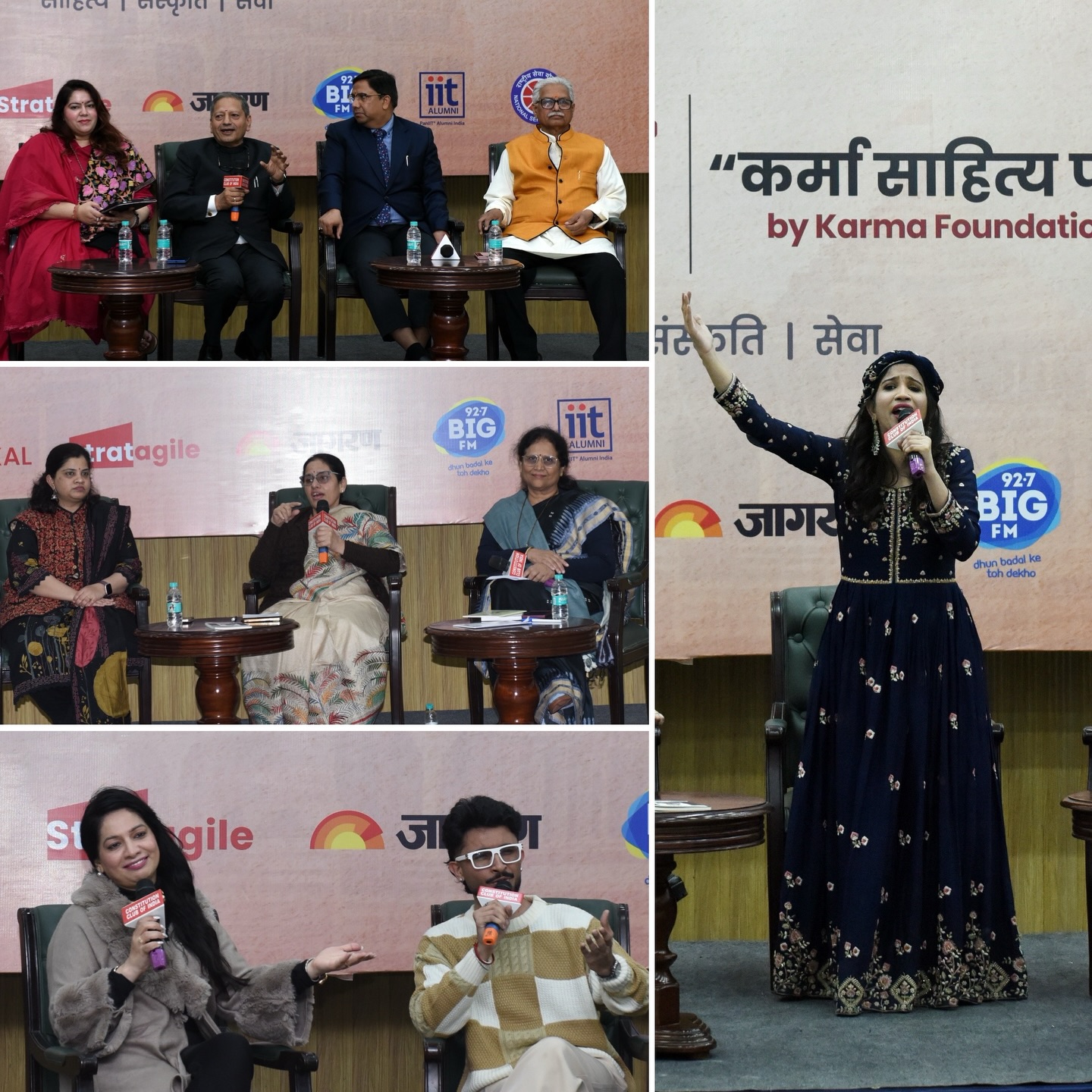
VANI-KARMA Sahitya Parv 2026 Concludes (File Image)
The inaugural session was also marked by the presence of Dr Sachchidanand Joshi, Member Secretary, IGNCA, and Amb. Amarendra Khatua, Former Secretary, Ministry of External Affairs, Government of India, reflects the festival’s engagement with institutions central to cultural preservation and international outreach.
Recommended For You

The programme commenced with ceremonial Lamp Lighting, a Welcome Address, and formal book releases, followed by an opening cultural presentation by the Hindi Academy, Government of Delhi. The Academy also presented the concluding cultural performance, reinforcing institutional collaboration in the preservation and promotion of India’s literary and artistic traditions.
Central Thematic Panel: “Sahitya, Sanskriti And Seva – Harnessing Bharat’s Soft Power”
The central thematic panel, “Sahitya, Sanskriti & Seva – Harnessing Bharat’s Soft Power,” featured Sanjeev Chopra, former Director, LBSNAA and author; Shyam Parande, International Coordinator, Sewa International; and Prabhat Kumar, Chairperson, Pan IIT Alumni India. The discussion examined how civilisational memory, service-led civic engagement, leadership development, and intellectual capital function as strategic assets in shaping India’s domestic cohesion and global cultural influence.
International Dimension And Dialogue
The international dimension of this dialogue was further strengthened through formal remarks by delegates from the Embassies of Russia and Kazakhstan, who emphasised the importance of literary exchange, cultural continuity, and civilisational dialogue in deepening bilateral understanding. Their participation elevated the festival’s engagement from a national platform to one situated within the broader framework of cultural diplomacy and international partnership, reinforcing the strategic relevance of soft power in contemporary global affairs.
Women’s Panel: “SHAKTI: Reclaiming Feminism, Redefining India”
The Women’s Panel, “SHAKTI: Reclaiming Feminism, Redefining India,” brought together Nayana Sahasrabudhe, Jyoti Chauthaiwale, and Varada Sambhus. The session explored gender discourse within Indian civilisational frameworks, addressing identity, agency, and institutional policy questions while situating the conversation within indigenous intellectual traditions.
Narrative Dialogue: “Sur, Smriti aur Samvaad – Echoes Of Bharat’s Inner Voice”
A significant cultural-policy intersection emerged during the Narrative Dialogue, “Sur, Smriti aur Samvaad – Echoes of Bharat’s Inner Voice,” featuring Vusat Iqbal Khan of the Dilli Gharana and media professional Krishan Thapar. Vusat Iqbal Khan’s rendition of “Saanson Ki Mala Se” highlighted the continuing relevance of intangible heritage traditions in shaping collective identity. RJ Krishan Thapar’s moderated engagement contextualised the performance within contemporary media discourse, illustrating the constructive convergence of classical art and modern communication platforms.
ALSO READ: Kavyapedia’s Siddhida 2.0 Lights Up SPM College For Women With Poetry, Music And Literature
Creative Showcase: “Voices Of Bharat”
The Creative Showcase, “Voices of Bharat,” integrated emerging poets and performers into the formal programme structure, creating an intergenerational bridge between established public intellectuals and new cultural voices. Participants, including Suvarna Padala, Harinder Cheema, Srishti, Shipra Garg, Deepa Srivastava, Durusoju Durga, and Jitendra Choithan, presented original works of poetry, storytelling, and reflective expression. Their contributions engaged themes of heritage, service, identity, and aspiration, reinforcing the importance of youth participation in sustaining cultural continuity and public dialogue.
Accompanying Exhibition And Book Releases
An accompanying exhibition, “Freedom in Motion” by Himani Pasricha, extended the festival’s intellectual engagement beyond spoken dialogue, while additional book releases recognised contemporary contributions to literature and thought leadership.
Dialogue Stewardship And Media Engagement
The 2026 edition was supported through structured moderation and dialogue stewardship by Vrinda Khanna, Amna Mirza, Mehak Ankar, and Kirti Mishra, ensuring thematic coherence and policy relevance across sessions, with perspectives from members of the media community, including RJ Akriti, contributing to the wider public dimension of the dialogue.
Distinguished Guests And Participants
The festival was attended by Malavika Joshi, Amandeep Singh, Rajesh Bagha, Udai Sood, Vandana Jain, Sagarika Banerjee, Mansi Jain, Megha Tyagi, Geetika Tiwari, Peshiram Jaiswal, Anuj Phalswal, Shaifali Sangal, Neetu Mathur, Harini Srinivasan, Samir Kumar, and Dhruv Jain, among other distinguished guests and participants, reflecting cross-sectoral engagement spanning culture, diplomacy, policy, media, and civil society.
Valedictory Ceremony And Concluding Remarks
The Valedictory Ceremony concluded with reflections, a closing presentation by the Hindi Academy, and a formal Vote of Thanks. In her concluding address, Festival Director Dhwani Jain expressed gratitude to the Ministry of Art, Culture and Language, Government of NCT of Delhi, and to Hon’ble Minister Kapil Mishra for their institutional support and for strengthening cultural platforms that promote literary dialogue and civic engagement. She further emphasised that structured spaces for reflective dialogue are essential to democratic resilience, ethical leadership, and sustainable nation-building.
VANI – KARMA Sahitya Parv continues to evolve as a platform situated at the intersection of literature, cultural policy, civic engagement, and national development. The 2026 edition reaffirmed its commitment to institutional partnerships, curated dialogue design, and the cultivation of cultural capital as a long-term national asset.