
- By Raju Kumar
- Fri, 20 Feb 2026 10:58 PM (IST)
- Source:JND
Trump Tariff Row: The US Supreme Court gave a big blow to President Donald Trump by declaring his massive tariffs illegal on Friday, prompting celebration among the business community. A 6-3 majority ruled that Trump abused the International Emergency Economic Powers Act (IEEPA). Tariffs ranging from 10% to 50% were imposed on several countries, including India.
If tariffs are lifted completely or significantly reduced, India will benefit significantly. The US is India's largest export market. High tariffs made Indian goods more expensive, reducing demand. Now, Indian products will be cheaper in the US, which could boost exports. This will increase employment, especially in labour-intensive sectors.
ALSO READ: What Are Trump's Options After Supreme Court Strikes Down US President's Global Tariffs? Explained
What Benefits Will India Have?
- Exports will increase, especially in textiles, gems and jewellery, leather, and chemicals.
- Companies may invest more in the US.
- Pressure on the rupee will ease, strengthening the economy.
- Refunds of previously deposited tariffs are also possible, providing relief to companies.
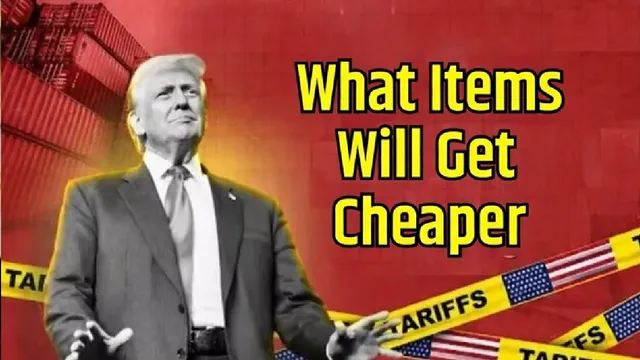
List Of Major Goods That Will Become Cheaper:
- Textiles and clothing (RMG, cotton garments)
- Gems and jewellery (diamonds, gold jewellery)
- Leather and footwear
- Chemicals (organic chemicals)
- Automobile parts
- Home decor and handicrafts
- Marine products (shrimp, seafood)
- Furniture and sporting goods
These sectors were previously severely affected by 25-50% tariffs. Now, with lower prices, American buyers will purchase more Indian goods. Although some sectors, such as pharmaceuticals, were already exempt, India's economy will be strengthened overall. Experts say this decision is a major blow to Trump's trade policy and will bring relief to global trade.
ALSO READ: US Supreme Court Blocks Trump’s Global Tariffs: What It Means For India
Big Relief For India, Say Experts
Meanwhile, the US Supreme Court's ruling against reciprocal tariffs brings significant legal clarity and reduces tariff uncertainty for India, reinforcing limits on unilateral tariff actions, industry experts said.
Notably, under the interim trade arrangement the US had agreed to reduce reciprocal tariffs on India to 18 per cent, which will no longer remain relevant following the Court's decision.
"Any attempt to levy such tariffs would require Congressional approval. This is likely to give much-needed relief and a competitive boost to Indian exporters, while also paving the way for potential refunds of tariffs collected without adequate legal basis," said Manoj Mishra, Partner and Tax Controversy Management Leader, Grant Thornton Bharat.
What Has The Supreme Court Said On Trump Tariff?
In a 6-3 ruling authored by conservative Chief Justice John Roberts, the apex court upheld a lower court's decision that Trump's use of this 1977 law exceeded his authority. The justices ruled that the law at issue - the International Emergency Economic Powers Act did not grant Trump the power he claimed to impose tariffs.
"Our task today is to decide only whether the power to regulate importation, as granted to the president in IEEPA, embraces the power to impose tariffs. It does not," Roberts wrote in the ruling.
(With agencies inputs)