
- By Kamakshi Bishnoi
- Tue, 09 Jun 2026 04:06 PM (IST)
- Source:JND
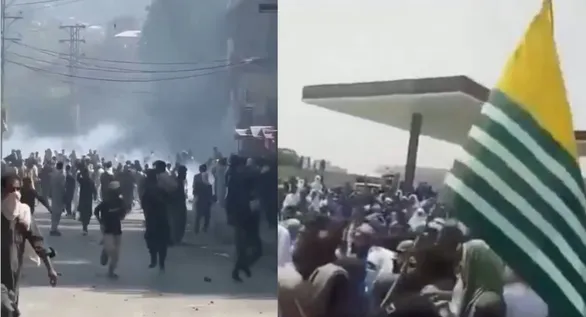
- Over 30 killed, 200 injured in PoK clashes.
- Security forces fired on JAAC protesters after ban.
- Protests over economic issues, trader's death fueled anger.
More than 30 people were killed and nearly 200 others injured in violent clashes between protesters and security forces in Pakistan-occupied Kashmir (PoK) after authorities banned the Joint Awami Action Committee (JAAC), a prominent civil society alliance that has been leading protests over economic and political issues in the region.
The regional government outlawed the JAAC on Friday due to concerns about law and order. Rawalakot erupted in anger following the death of a trader who allegedly died from bullet shots from security forces on Friday night.
#WATCH | Pakistan security forces tear gas Kashmiri protestors in Muzaffarabad, Pakistan-occupied Jammu and Kashmir. pic.twitter.com/FuSoexCVcH
— ANI (@ANI) June 9, 2026
ALSO READ: US Apache Helicopter That Played Crucial Role In Hormuz Blockade Crashes; Trump Says Pilots Safe
Protest Turns Violent
According to Rawalakot Commissioner Sardar Waheed Khan, supporters of JAAC arrived in the region to stage a protest outside a hospital mortuary after another activist from the civil society alliance was brought there having died during a police shooting.
"When security forces tried to disperse the protesters, the group's activists used automatic rifles, petrol bombs and other weapons to target them. As a result of the law enforcers' response, six protesters were killed," Reuters quoted Khan. He also confirmed that several people had been arrested during the operation.
However, locals and JAAC activists dispute the government’s account and claim the death toll of unarmed civilians is much larger.
Reason Behind PoK Protests
The strike was called by the JAAC over the reservation of 12 of 45 seats in the July 27 election to the legislative council in PoJK for refugees.
Protests had been organised across PoJK over issues of basic rights, economic stimulus, affordable electricity supply, and government accountability. Protests gained steam after the alleged shooting of a local trader in a scuffle with the police. The government stated that some protesters later assaulted a military hospital at Rawalakot.
JAAC leaders have called the government’s move to classify them as "terrorists" "persecution", maintaining that they only seek to attain their rightful economic and political rights as a people.
ALSO READ: Nepal Follows Japan In Restricting Indian Mango Imports; Why Was Ban Imposed?
Pak HRCP Response
The HRCP expressed that it was 'deeply troubled' by the conflict in the area. While condoning the loss of civilian and security lives, HRCP criticised excessive force, blackouts and reminded that civilians have a right to peaceful protest and also argued for 'transparent dialogue and inclusive negotiations' so that the masses can have their grievances addressed.
However, HRCP also condemned the banning of JAAC under the anti-terrorism ordinance before the protest was even scheduled to be held on June 9 and said that they were planning to send a fact-finding mission.
You May Also Like To Watch: