
- By Ajeet Kumar
- Fri, 06 Feb 2026 07:38 PM (IST)
- Source:JND
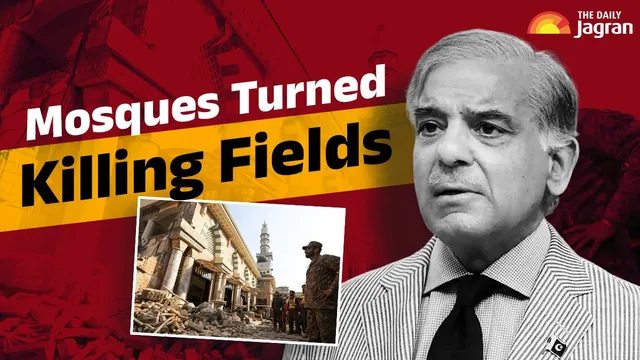
- Islamabad mosque bombing killed over 30 worshippers recently.
- Attacks driven by sectarian hatred and extremist militant groups.
- Raises questions on Pakistan government's counter-terrorism efforts.
Pakistan, a Muslim-majority nation, parted from India in 1947, on the promise of religious identity. However, the nation for decades grappled with a grim paradox- repeated and deadly attacks on mosques.
Among the series of attacks on mosques, a suicide bombing at an Islamabad mosque during Friday prayers killed over 30 and injured more than 160. The suicide bomber was stopped at the gate of the Imambargah, but he detonated himself, police and eyewitnesses said.
This has once again brought attention to the country’s long and bloody history of violence inside places of worship.
Why do extremists always target mosques?
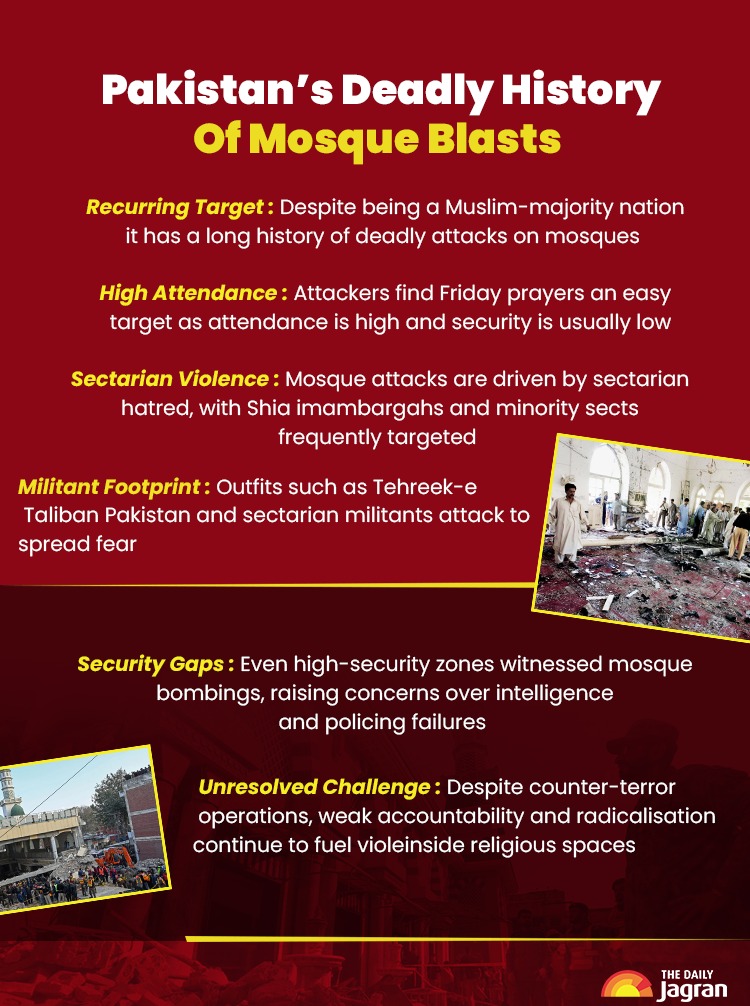
Mosques, meant to be sanctuaries of peace, have frequently been targeted by extremist groups in Pakistan. According to analysts, these attacks are often driven by sectarian hatred, militant ideology, and the broader instability caused by decades of terrorism.
How is Shina and Sunni hatred fuelling unrest in Pakistan?
Sunni and Shia mosques alike have been hit, with Shia imambargahs particularly vulnerable to attacks by sectarian outfits.
One of the deadliest mosque attacks occurred in March 2015, when suicide bombers struck two churches in Lahore during Sunday services, highlighting how religious spaces in general have been targets.
Why do mosques always bear the brunt?
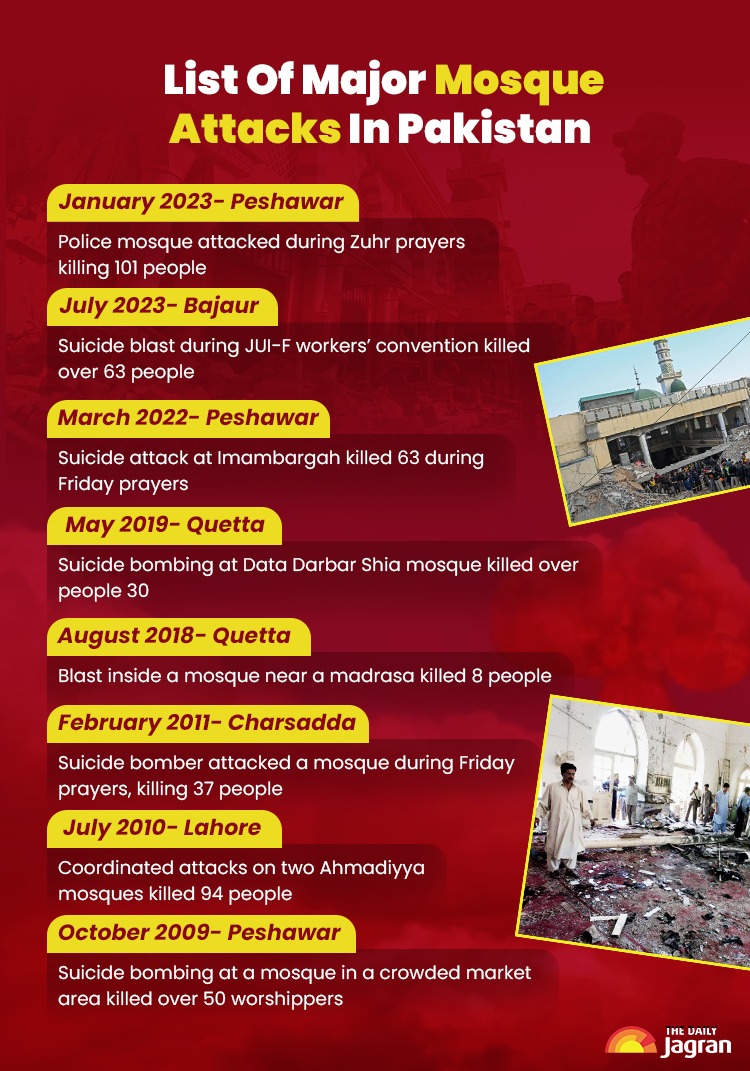
However, mosques have borne the brunt of such violence. In January 2013, a massive bomb explosion at a Shia mosque in Quetta killed over 80 people. In 2017, a suicide attack at the Lal Shahbaz Qalandar shrine in Sehwan Sharif killed at least 90 devotees.
In 2023, a suicide bombing inside a mosque at a high-security police compound in the national capital killed more than 60 people, exposing serious security lapses even in supposedly well-guarded areas.
ALSO READ: Pakistan Explosion: Massive School Blast Levels Building, 600 Students Left Without Classrooms
Friday prayers, which draw large congregations, have often been chosen by attackers to maximise casualties.
Security experts say militant groups such as Tehreek-e-Taliban Pakistan (TTP) and sectarian organisations like Lashkar-e-Jhangvi have historically targeted mosques to inflame sectarian tensions. Despite multiple military operations and counterterrorism campaigns, extremist networks continue to regroup, particularly in border regions.
Is Pakistan government failed in tackling terror attacks?
The persistence of mosque attacks has often raised questions for Pakistan’s leadership. Critics argue that inconsistent policies, selective crackdowns on militant groups, and failure to counter radicalisation have allowed extremism to survive. Human rights groups also point to the lack of accountability and slow judicial processes, which often leave victims without justice.
(With inputs from agency)