
- By Shubham Bajpai
- Tue, 10 Mar 2026 07:28 PM (IST)
- Source:JND
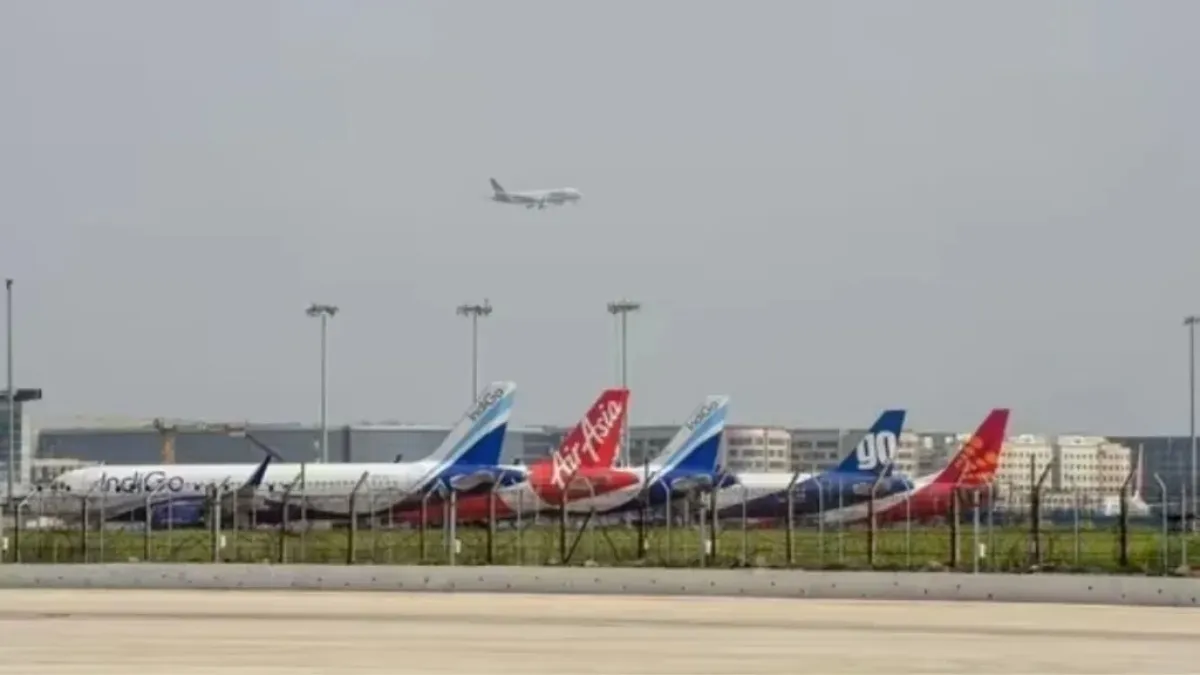
The war between the US, Israel, and Iran has caused a massive surge in crude oil prices, making the overall fuel segment costlier, including jet fuel. This has led to increased airline costs and hence ticket prices.
The most affected by the recent surge are Asian airlines because they have less robust fuel price protection programs.
Since the conflict began, crude oil prices have surged more than 15 per cent to above $105 a barrel. Brent crude oil at one point jumped as much as 29 per cent. In some markets, jet fuel prices have doubled.
Jet fuel prices, which were around $85 to $90 per barrel before U.S.-Israeli strikes on Iran, have soared to between $150 and $200 per barrel in recent days.
The Middle East war has triggered the biggest oil crisis since the 1970s. According to a report by Reuters, prices have remained above $100 in recent days, although some fluctuations have been observed.
ALSO READ: Why Iranian Oil Is In High Demand Despite Western Sanctions? Price, Tech And Trade Links
Asian airlines are most affected.
Industry experts opine that Asian airlines are particularly vulnerable. A Bloomberg report cited June Goh, a senior analyst at Sparta Commodities, saying panic has spread.
He added that airlines with weak hedging programs are particularly vulnerable to the current high jet fuel prices, especially since they sold tickets at previously low prices.
The report suggests that some low-cost airlines in Southeast Asia are now planning to ground aircraft if fuel cost rises further.
Indian and other airlines hike fares
Indian airlines are reported to have raised ticket prices on long-haul flights by 15 per cent, and further increases are likely. Meanwhile, state media in Vietnam warned that fuel prices could increase ticket prices by up to 70 per cent.
Airlines such as Qantas (Australia), Air New Zealand, and SAS have also raised fares on international routes.
Flight cancellations, route changes, impact on demand
The conflict has led to the cancellation of more than 40,000 flights to and from the Middle East. Airlines are being forced to reroute, carry extra fuel, or make stopovers.