
- By Aditya Jha
- Wed, 18 Feb 2026 04:10 PM (IST)
- Source:JND
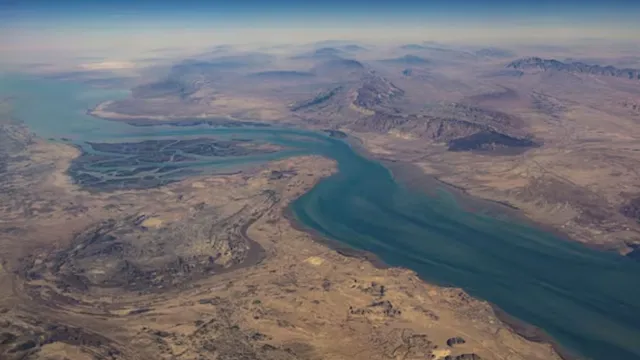
Strait Of Hormuz: As tensions with the United States have increased, Iran on Tuesday decided to temporarily close parts of the Strait of Hormuz, one of the world’s most critical maritime chokepoints. The Iranian media asserted that the chokepoint was closed due to "safety and maritime concerns", adding that it lasted only for a few hours. The decision from Tehran coincided with the indirect nuclear talks with the US in Geneva. The Strait of Hormuz is very critical, as around 20 per cent of the world's oil and gas supplies pass through this chokepoint, majorly affecting the Asian nations.
The decision from Tehran was closely observed by several nations, as Iran has not taken any aggressive step in the region for the past four decades. Earlier last week, Iran had warned of strict action if the US did not stop deploying extra military in the Middle East. The tension between the two nations peaked after US President Donald Trump supported the idea of a regime change in Iran.
How Critical Is The Strait Of Hormuz?
- It lies between Iran to the north and Oman and the United Arab Emirates to the south
- The chokepoint links the Persian Gulf with the Gulf of Oman
- Its narrowest point is only about 33 kilometers wide
- Around 20 million barrels of crude oil and fuels pass through it everyday
- Several producers, including Iraq, Saudi Arabia, Kuwait, Qatar, and Iran, rely heavily on the strait
ALSO READ: Ramzan 2026: Telangana Govt Allows Muslim Employees To Leave Offices At 4 PM During Holy Month
- Around 60 per cent of India's natural gas is imported through the chokepoint
- Along with India, several other nations, including China, Japan, and South Korea, are also dependent on the strait
- As per the experts, any prolonged closure of the chokepoint will lead to a surge in the fuel's prices and manufacturing and transport costs worldwide
- While other nations have made alternative arrangements, they can only handle a fraction of daily activities