
- By Aditya Jha
- Wed, 11 Feb 2026 11:47 PM (IST)
- Source:JND
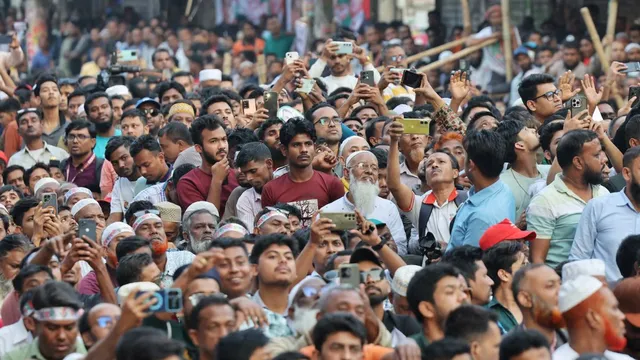
Bangladesh Elections: The elections in Bangladesh are set to be held on February 12, almost 18 months after the ouster of former Prime Minister Sheikh Hasina. An interim government, led by Nobel laureate Muhammad Yunus, has been in charge since then; however, the Asian country is set to get its new government soon. While the polls will decide the fate of over 127 million Bangladeshis, they will also be closely observed by India, its neighbouring nation.
The experts believe that the election in Bangladesh will decide its relations with New Delhi on the business and other fronts. India also realises that both the top contenders, the Bangladesh Nationalist Party (BNP) led by Tarique Rahman and a coalition led by the Islamist Jamaat-e-Islami, have not been very friendly with New Delhi in the past.
India has tried to improve its ties with BNP, as PM Modi sent a condolence letter following the death of Khaleda Zia last December. However, the history of BNP is not so India-friendly, as Khaleda Zia, during her tenure, reportedly provided sanctuary, training, and logistical support to anti-India insurgent groups. Apart from this, the party has also warned of "strong resistance" if any country tries to attack Bangladesh's sovereignty.
"With respect to foreign relations, topmost priority will be given to the national interest of Bangladesh. The BNP will build up special relations with the Muslim Ummah and the neighbouring countries," the party said in its manifesto. Apart from this, Jamaat's leaders have also given strong anti-India statements in the recent past, and the party is believed to have a strong relation with New Delhi's arch-rival, Pakistan.
One of the main concerns for India is a possible rise in insurgency in the Northeastern states if the elected government decides to take an anti-India stand. Apart from this, other factors, including trade deals and a sudden rise in the cases of violence against the minorities, also continue to trouble New Delhi.