
- By Raju Kumar
- Thu, 12 Feb 2026 05:56 PM (IST)
- Source:JND
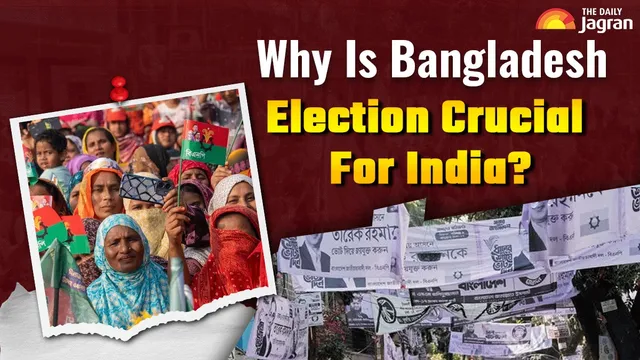
Bangladesh Elections 2026: India's neighbouring country, Bangladesh, cast ballots on Thursday in a crucial general election, the first since a mass uprising ended the 15-year rule of former Prime Minister Sheikh Hasina. The polls could help reset deteriorating ties between Bangladesh and India based on shared democratic values. India hopes a democratically elected government will work towards reviving the ties with the neighbour. Democracy may increase trust, stability, and mutual benefit between the two countries, while undemocratic regimes hurt the ties for short-term gains.
ALSO READ: Bangladesh Elections: Who Are Key Players And Why Last 3 Polls Were Called Controversial
Electiosn In Changed Political Landscape
Bangladesh's political landscape has for decades revolved around two rival dynasties - the Awami League, headed by Hasina, the daughter of the country's founding president and the Bangladesh Nationalist Party, now led by Tarique Rahman, son of former Prime Minister Khaleda Zia.
Here Are The Five Points Why A Democratic Government Is Good For India-Bangladesh Ties
- Trust Factor: Two democratic governments often value people-to-people connections. India expects that a democratic government, based on the will of the people, in Bangladesh will be stable and aim at healthy relations with the neighbour. In the last couple of months, the India-Bangladesh ties saw an unprecedented low as the undemocratic government led by Muhammad Yunus, ignored the people's interest at large to appease the protesters, who led a movement against the Sheikh Hasina government. The fall of the Hasina government increased anti-India sentiment. In a democratic setup, a government focuses on trade, connectivity, and regional stability.
- Border security: Illegal Bangladeshi immigration is not only a political issue in India, but a security threat as well. India's five states - West Bengal, Mizoram, Tripura, Assam, and Meghalaya - share boundaries with Bangladesh. It is expected that a democratic government will address India's concerns over illegal infiltration. A democratic government in Bangladesh will strengthen the rule of law, which will curb smuggling, infiltration, and terrorism in the border region.
- Attacks On Hindus: Under the Yunus government, Hindus, who are a minority in Bangladesh, have been attacked, escalating tensions with India. Now, it is likely that the people-elected government will fix the law and order issue and work for the safety of the minorities. There are growing concerns that the Islamist coalition could exploit these tensions to reassert political influence under the undemocratic regime. Bangladesh is over 90 per cent Muslim, while around 8 per cent are Hindu.
- Trade Ties: The economic and trade activities have also been affected under the undemocratic Yunus government. Trade between the two neighbours suffered a lot under his regime. The democratic government will have to revive the economy for its people; therefore, the elected government will mend ties with a key neighbouring nation, like India.
- China-Pakistan Influence: The China-Pakistan influence has increased in Bangladesh since the removal of the Hasina government. Bangladesh, which was born after fighting Pakistan, to suprise for many, moved closer to Islamabad, hurting the regional balance in the South Asian region. China and Pakistan's influence in Bangladesh is a threat to India; now, New Delhi expects that a democratic government will see where its long-term interest lies and may work to improve ties with India, which played a key role in the Independence of Bangladesh.