
- By Chetna Shree
- Sat, 07 Mar 2026 07:15 PM (IST)
- Source:JND
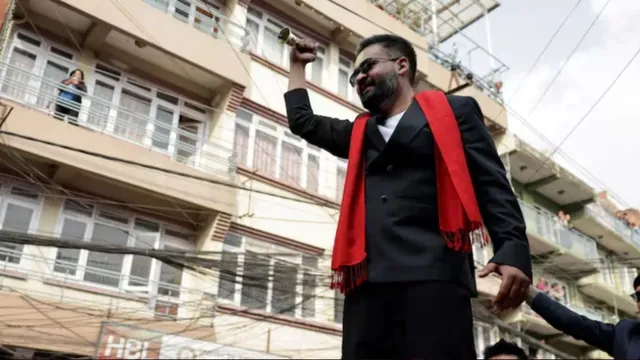
Nepal Election: Nepal's latest election has brought an unusual story into the spotlight: a rapper-turned-politician challenging the traditional power heavyweights. At the centre of this shift is 35-year-old Balendra Shah, whose campaign has captured national attention not for its momentum but for its distinctive communication strategy - delivering 'a speech every eight days'.
Nepal Election
Two days after Nepal held its first election since the Gen-Z-led protests toppled the K P Sharma Oli-led coalition government, the Rastriya Swatantra Party (RSP) is emerging as the frontrunner in the vote count. Balendra Shah is the party's candidate for prime minister.
ALSO READ: What Iranian President's Surprise Apology To Gulf Neighbours Means Amid Escalating War | Explained
Among the many factors that shaped his campaign, one factor stood out: Shah's carefully calculated approach to communication, including a deliberate strategy of delivering a major speech only once every eight days, an unusual tactic that has kept voters engaged while giving each message maximum impact.
A Look At Shah's Campaign
At the core of the Rastriya Swatantra Party's (RSP) campaign is its Research, Strategy, and Documentation Department, managed by an 11-member board overseeing 300 party workers divided into three national teams that supplement smaller groups led by individual candidates, news agency Reuters reported.
These teams are responsible for planning election tactics, organising rallies, managing online content, and tracking on-the-ground campaigning and voter feedback from across Nepal, according to three party officials.
Ahead of Thursday's vote, the party followed a carefully calibrated media strategy: Balendra Shah delivered a major speech every eight days, with each address amplified by a 660-strong social media squad to maximise reach.
On the ground, the party conducted roadshows in five to seven districts daily, while Shah made brief visits across Nepal's seven provinces, connecting personally with voters.
Funding for the centralised campaign and large-scale events came directly from the party, which has received large donations from Nepalis living abroad, particularly in the United States.
Individual candidates, however, were tasked with organising and financing their own local campaign activities, RSP Treasurer Lima Adhikari told Reuters.
(With Agencies Inputs)