
- By Aditi Priya Singh
- Fri, 06 Feb 2026 11:30 AM (IST)
- Source:JND
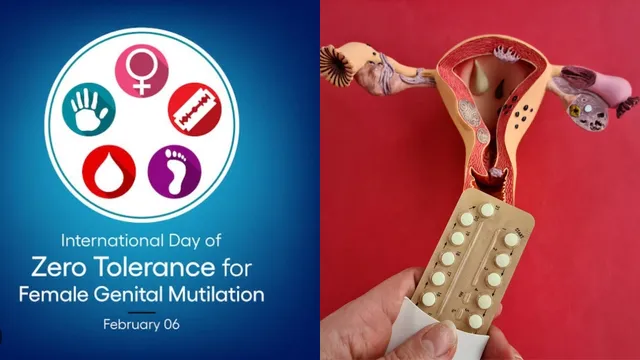
International Day of Zero Tolerance for Female Genital Mutilation (FGM) is celebrated annually on February 6. This day aims to raise awareness about a dangerous practice which harms numerous girls and women throughout the world. Female Genital Mutilation describes surgical procedures which doctors perform to deliberately change or damage female genitalia without any medical justification.
The practice has long been linked to certain cultural and social beliefs, but it is actually harmful and does not have any health benefits. On the contrary, it leads to severe physical, emotional, and psychological suffering. The day marks the significance of protecting human rights, promoting gender equality, and ensuring the safety and dignity of women and girls.
On International Zero Tolerance FGM Day in 2026, all people and organisations throughout the world must unite to speak against this practice while they spread knowledge about its harmful effects and work together to achieve its permanent elimination.
What Is Female Genital Mutilation (FGM)?
-1770009392819.jpg) What is female genital mutilation (Image: Canva)
What is female genital mutilation (Image: Canva)
Female genital mutilation is the non-medical procedure of removal of the external female genital organ or any other form of damage to the female genital area. The procedure is commonly performed on young girls, and that too without anaesthesia. The act is considered a violation of basic human rights.
Types of Female Genital Mutilation
Global health organisations categorise FGM into four primary types:
*Removal of the clitoris, either completely or partially
* The labia and clitoris are removed.
*The vaginal opening is narrowing
* Additional dangerous techniques, such as pricking or scraping
Why Is FGM Practised?
FGM is a product of social and cultural pressures rather than a medical need.
1. Belief in traditions and customs
2. Social acceptance and marriage expectations
3. False notions about cleanliness and purity. Community elders put pressure.
Health Risks and Long-Term Effects
FGM leads to major health issues. severe pain and bleeding, infections and difficulties during childbirth, anxiety and psychological trauma, and persistent problems with sexual and reproductive health.
Global Efforts to End FGM
Many countries and organisations are working to end FGM.
*Laws banning the practice
*Awareness campaigns and education
*Support for survivors
*Community-led change initiatives
ALSO READ: Free Scooty Yojana 2026: Empowering Female Students Through Free Two-Wheelers
Importance of International Zero Tolerance FGM Day
On this day, the world is reminded that FGM must end.
* Promotes education and awareness
* Encourages the protection of girls' rights
* Encourages gender equality and health
*Calls for global collaboration and action
Which country practices female genital mutilation?
With 98% of women impacted, Somalia has the highest prevalence of this practice worldwide. There are also extremely high numbers in other nations like Djibouti and Guinea. Many people are making a lot of effort to end this detrimental custom.