

- By Bornika Das
- Tue, 03 Feb 2026 04:57 PM (IST)
- Source:JND
Winter means more than just cold air blowing around; it also means increased joint pain and people are left scratching their heads as to why their body is turning against them. According to doctors, the low barometric pressure associated with cold weather results in the tissues surrounding joints swelling slightly, which in turn puts pressure on the nerves, leading to pain. The cold weather also causes blood vessels to constrict, leading to a decrease in blood flow to the muscles and joints, making everything stiff and reducing the effectiveness of synovial fluid as a lubricant.
But aside from the direct effects of weather, lifestyle habits further contribute to winter woes of the joints. Less exercise means weaker muscles, which puts added stress on joints already working to compensate for puffy fluids and a lack of blood flow. In conversation with The Daily Jagran, Dr Shiv Chouksey, Senior Consultant, Arthroscopy & Sports Medicine Centre, BLK Super Speciality Hospital, New Delhi, states why joint pain increases in winter and what the body is trying to tell.
Why Does Winter Aggravate Joint Pain
During colder months, the body naturally prioritises keeping its core warm, sending more blood to vital organs like the heart and lungs. This means less circulation reaches the joints, which can make them feel stiffer. Lower temperatures also cause the muscles surrounding joints to tighten, limiting flexibility and increasing strain with movement. Dr Shiv Chouksey states, “At the same time, joint fluid can become thicker in colder conditions, reducing its ability to lubricate and cushion the joint smoothly, which further contributes to discomfort.”
ALSO READ: How Winter Triggers Joint Pain, Stiffness And Fracture Risk In Seniors; Know From Doctor
Why Does Joint Pain Present Differently In Men And Women?
Men more commonly experience winter joint pain linked to mechanical stress and past injuries. Their symptoms often worsen when the mercury dips, as overall movement drops and muscles become stiffer, increasing strain on the joints. Dr Shiv Chouksey mentions, “Men are also at higher risk of gout, a type of inflammatory arthritis, which can exacerbate during colder months.” This can be attributed to a fall in hydration levels and changing eating patterns due to the body's need for extra energy to stay warm.
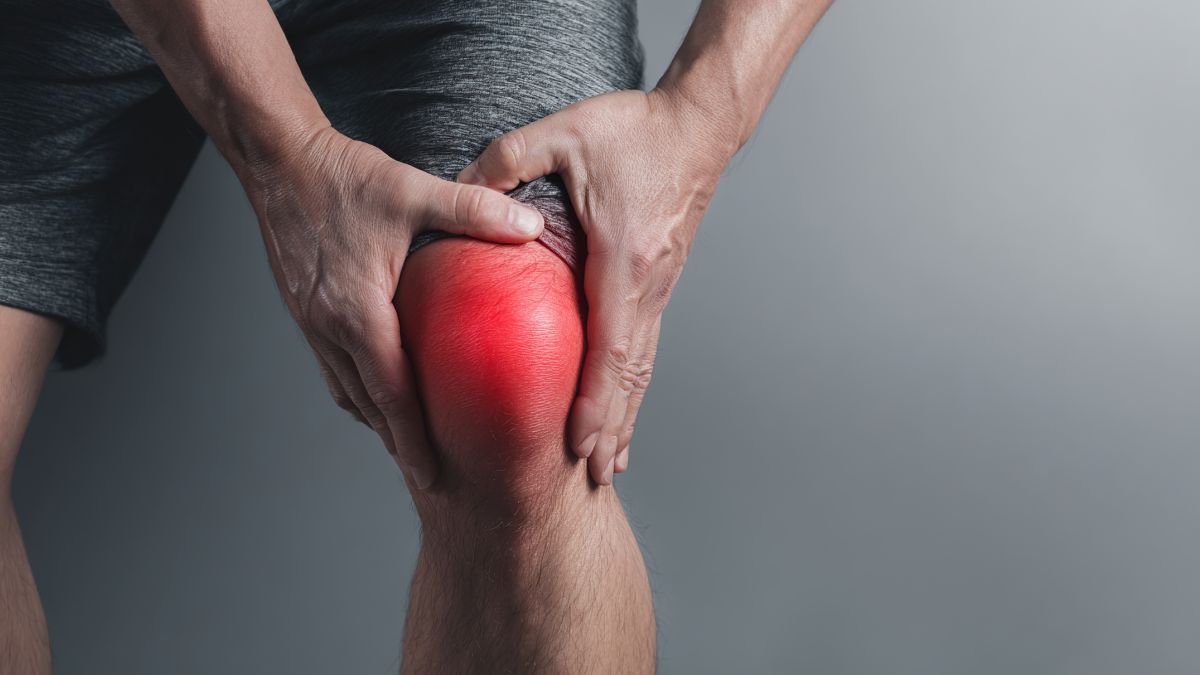
Joint Pain Increases In Winter (Image Credits: Canva)
Studies have consistently shown that women experience a higher burden of joint disease when compared to men, particularly osteoarthritis. They often report more severe pain, too. Oestrogen plays a role in cartilage health and pain regulation, so declining levels during peri- and post-menopause can increase joint sensitivity – an effect that tends to worsen in colder weather. In addition, women generally have lower muscle mass than men around key joints such as the knees and hips. Reduced winter activity can further increase strain and pain in these locations.
Approaches To Manage Joint Pain Better During Winter
For men:
Avoid sharp drops in activity during winter; stay consistent with indoor exercise
Focus on flexibility to reduce joint stress from tight muscles
Warm up thoroughly before physical work or exercise
Manage gout risk with proper hydration and dietary moderation
ALSO READ: Why Winter Makes Your Knees And Back Hurt More; Doctor Explains The Hidden Science
For women:
Prioritise strength training for the hips, quadriceps, and core to reduce joint load
Maintain adequate protein and vitamin D intake, especially around menopause
Engage in regular finger, wrist, and grip-strength exercises to help reduce stiffness and maintain function
Seek medical evaluation if morning stiffness lasts over an hour or swelling increases