

- By Bornika Das
- Thu, 12 Feb 2026 07:11 PM (IST)
- Source:JND
Aching joints are often accepted as an unavoidable part of growing older. Many seniors quietly live with pain, believing it to be “just age” or routine arthritis. However, medical research tells a different story. Not all joint pain in senior citizens is caused by ageing or arthritis, and ignoring this fact can delay effective treatment. Furthermore, physicians stressed the need to differentiate "normal" aches of ageing from "alarms" such as nighttime aggravations of the aches, instability of the involved joints, or multiple joint involvement that might hint at fibromyalgia, avascular necrosis, or underlying malignancies.
In conversation with The Daily Jagran, Dr Mayank Vijayvargiya, Consultant, Orthopaedics, Joint Replacement, Complex Trauma and Reconstruction, P. D. Hinduja Hospital and Medical Research Centre, Mahim, shares that joint pain in seniors can be more than arthritis and immediate medication action can prevent further acceleration of the pain.
Causes Of Joint Pain In Senior Citizens
One lesser-known cause is crystal-related joint disease, where microscopic crystals accumulate inside the joint, triggering sudden pain, swelling, and stiffness. Dr Mayank Vijayvargiya states, “These attacks can be intense and are frequently mistaken for arthritis, yet they require a completely different approach to treatment.”
Recommended For You




ALSO READ: Why Daily Movement Is Safer For Your Joints Than Intense Weekend Sessions; Know From Doctor
Hormonal and metabolic imbalances are another hidden contributor. Low vitamin D levels, thyroid disorders, calcium imbalance, or excess iron in the body can weaken bones and irritate joints, leading to persistent pain and fatigue. The good news? These conditions are often easily detected with blood tests and are highly treatable.
In older adults, infections may present subtly. Dr Mayank Vijayvargiya mentions, “Conditions such as tuberculosis or viral infections can affect joints without fever or obvious swelling, allowing pain to linger for months before a diagnosis is made.”
Sometimes, the pain does not come from the joint at all. Weak bones, silent fractures, or spinal nerve compression can cause pain around the hips, knees, or shoulders, creating the illusion of joint disease when the problem lies elsewhere.
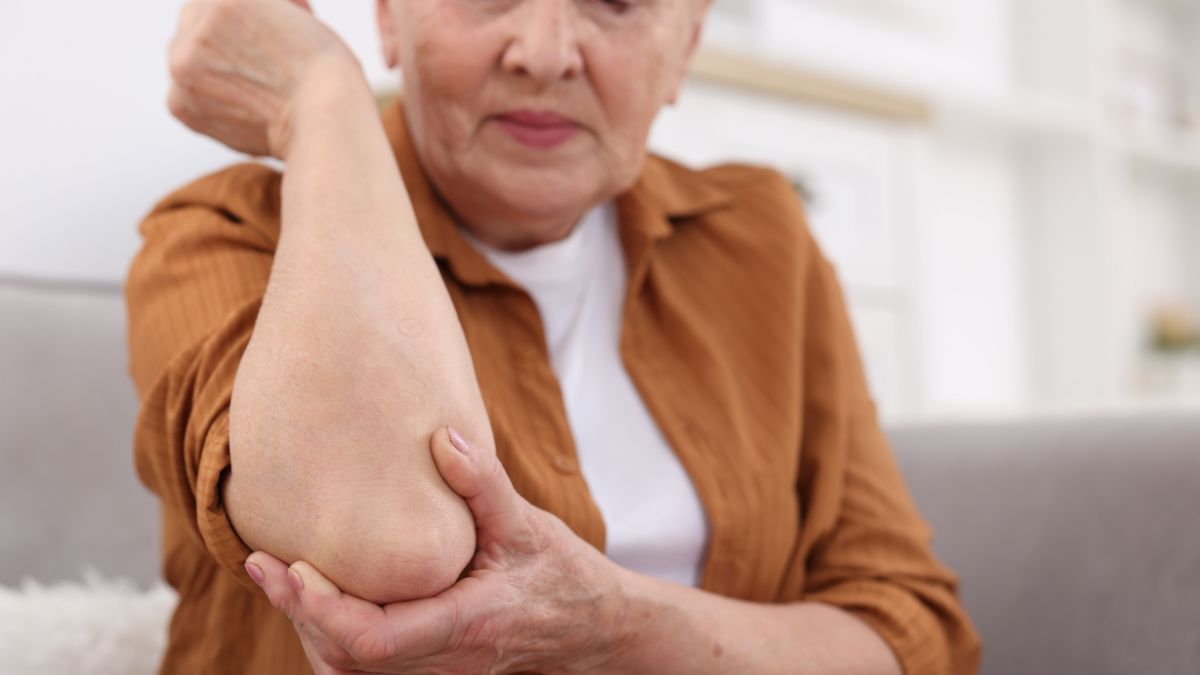
Joint Pain In Seniors (Image Credits: Canva)
Even everyday medicines deserve attention. Dr Mayank Vijayvargiya states, “Certain drugs used for cholesterol control, osteoporosis, or prolonged antibiotic use can contribute to muscle and joint discomfort, an often-overlooked cause in seniors on multiple medications.”
In rare cases, unexplained joint pain may act as an early warning sign of serious underlying illness, including systemic inflammatory conditions or cancers, especially when accompanied by weight loss, night pain, or unusual fatigue.
ALSO READ: Joint Pain In Your 30s? Lifestyle Changes Doctor Says You Must Make Now To Minimise Joint Pain
Joint pain should never be dismissed as “normal ageing,” especially if it is sudden, severe, persistent, or worsening. Early medical evaluation can uncover the real cause, relieve pain, and restore mobility, often preventing unnecessary suffering.
Healthy ageing is not about enduring pain; it’s about understanding it and addressing it early.