
- By Dr Sadhana Kala
- Fri, 20 Feb 2026 03:30 PM (IST)
- Source:JND
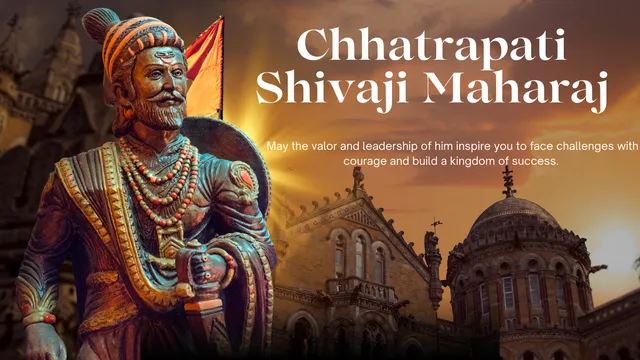
Every year on February 19, India celebrates Shivaji Maharaj Jayanti, marking the birth anniversary of one of its most revered rulers—Chhatrapati Shivaji Maharaj. His life was not just about conquest but about building a kingdom rooted in justice, administration, and cultural pride.
Celebrated with great enthusiasm across Maharashtra and beyond, this day invokes the ideals of Swarajya (self-rule), inspiring generations to believe in leadership that merges courage with compassion and vision with integrity.
Shivaji Maharaj: The Birth of a Visionary Leader
Born on February 19, 1630, inside the Shivneri Fort near Pune, Shivaji was the son of Shahaji Bhosale, a respected general, and Jijabai, a devout and determined mother whose teachings shaped his destiny. Jijabai instilled in young Shivaji the values of dharma, bravery, and justice—traits that later defined his leadership.
His early teacher and guardian, Dadoji Konddeo, trained him in administration and warfare. The rugged Western Ghats became his training ground for guerrilla warfare—a skill he would later use to revolutionize military strategy in India.
Historical Context and the Spark of Swarajya
During the mid-17th century, the Indian subcontinent was dominated by powerful empires—the Mughals in the north and the Adil Shahi Sultanate in the south. Amid these towering powers, a young Shivaji envisioned Swarajya, a kingdom run by and for the people, independent of foreign rulers.
His capture of Torna Fort at just 16 years old marked the beginning of this movement. From there, he built a network of forts across the Sahyadris and challenged even the mightiest empires with his vision, intelligence, and unrelenting zeal.
Military Brilliance: Tactics, Navy, and the Art of Guerrilla Warfare
Chhatrapati Shivaji Maharaj was more than just a king; he was a planner, an innovator, and a builder of nations. His military genius lay in adapting to his terrain. Through the art of “Ganimi Kava”—guerrilla warfare—his smaller forces repeatedly defeated larger, heavily armed enemies.
He understood the value of naval power long before others and is rightly remembered as the Father of the Indian Navy. He fortified coastal areas like Sindhudurg, Vijaydurg, and Murud-Janjira, establishing strongholds that secured trade and defended against colonial powers.
His legendary victories—from the Battle of Pratapgad (1659) against Afzal Khan to the Battle of Sinhagad (1670) led by Tanaji Malusare—remain symbols of valor and strategy.
The Coronation: A Historic Assertion of Self-Rule
On June 6, 1674, Shivaji was crowned as Chhatrapati at Raigad Fort—a moment that signified far more than political power. It was a cultural resurrection, reviving pride among Indians who had long endured subjugation.
During the coronation, Sanskrit scholars declared Shivaji as Kshatriya Kulavantas—restorer of the Hindu monarchy. Yet, his administration was secular and inclusive, ensuring equal treatment for all subjects regardless of religion or caste.
Shivaji Maharaj’s Administration: Power Rooted in People
Shivaji’s rule remains a model of good governance. His Ashta Pradhan (Council of Eight Ministers)—including Peshwa Moro Trimbak Pingale and Amatya Ramchandra Pant—handled departments such as finance, defence, foreign policy, and internal security.
He established an efficient tax system, protected farmers from exploitation, and ensured that even during war, agriculture and trade continued unharmed.
His emphasis on public welfare—from constructing roads and forts to protecting traders—marked one of the earliest examples of structured governance in Indian history.
Champion of Secularism and Social Justice
Though deeply rooted in Hindu cultural values, Chhatrapati Shivaji Maharaj’s secular and inclusive governance stands out as truly progressive. He appointed Muslims in key administrative positions, protected mosques, and treated all faiths equally. Siddi Ibrahim Khan, one of his trusted generals, is a testament to his inclusive leadership.
Women enjoyed safety and respect in his kingdom—a rarity of the time. Shivaji strictly prohibited acts of violence or disrespect toward women even during conquests, demonstrating his moral discipline as a leader.
Enduring Legacy and Historical Significance
Shivaji’s untimely death on April 3, 1680, at Raigad Fort marked the end of a remarkable era. Yet his ideals flourished. The Maratha Empire that rose in his wake went on to challenge the Mughal dominance and influence the political landscape of 18th-century India.
Centuries later, Bal Gangadhar Tilak revived Shivaji Jayanti celebrations to ignite national pride during India’s freedom struggle, invoking Shivaji as a symbol of resistance and self-rule. Even Mahatma Gandhi and other leaders admired Shivaji’s courage and vision of governance grounded in ethics and equality.
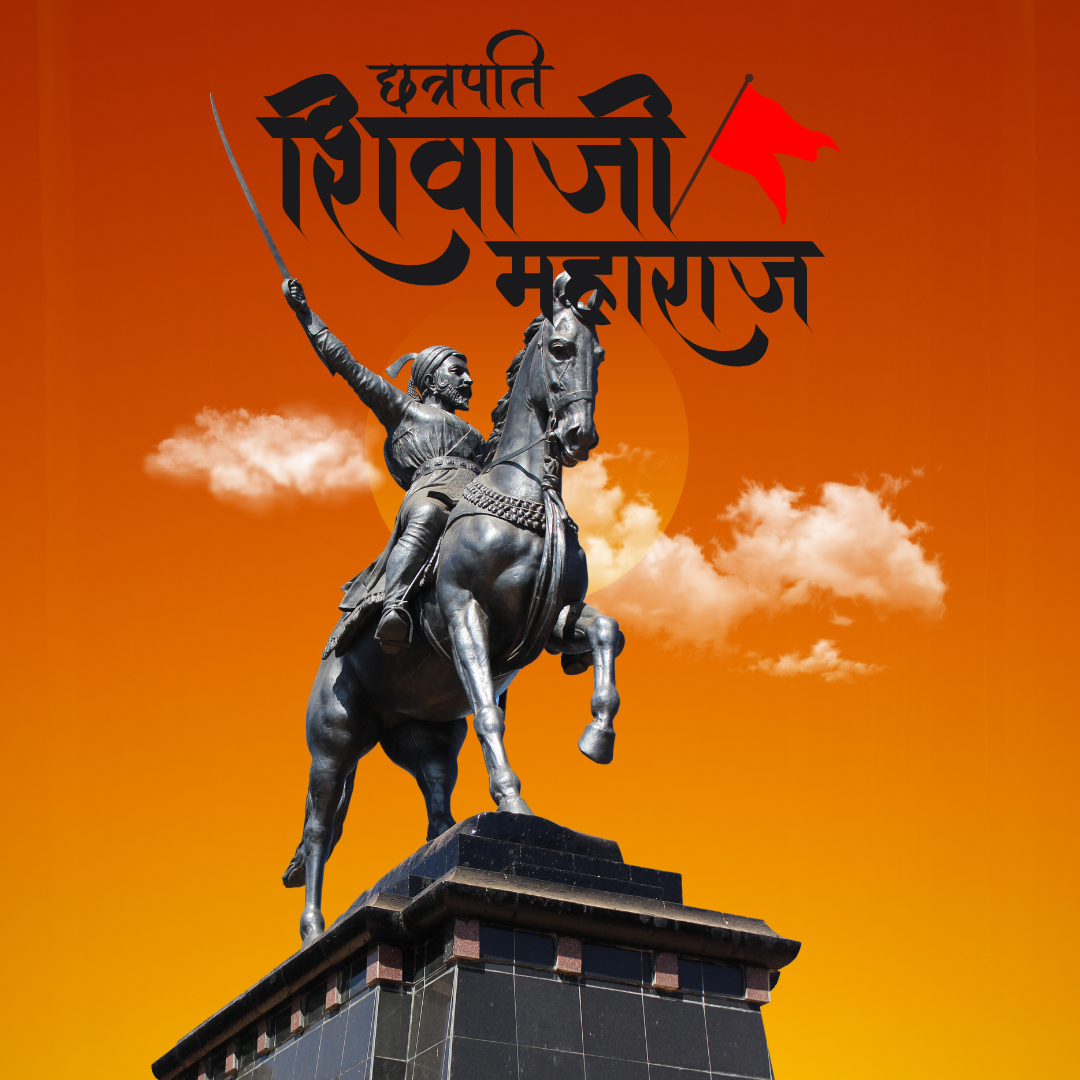
Shivaji Maharaj Jayant: Relevance in Modern India
In an era when integrity and accountability in leadership are often questioned, Shivaji Maharaj’s principles remain profoundly relevant. His combination of strategic foresight, inclusive governance, and commitment to justice continues to offer lessons in political and moral leadership.
Across Maharashtra, Shivaji Jayanti is celebrated with cultural parades, folk performances, essay competitions, and exhibitions that showcase his life and achievements. On social media, millions share tributes, art, and quotes, reaffirming that his influence transcends generations and geographies.
ALSO READ - Movies Based On Chhatrapati Shivaji Maharaj: Chhaava To Tanhaji The Unsung Warrior On OTT And Theatres
Timeless Inspiration: The Eternal Spirit of Swarajya
Celebrating Shivaji Maharaj Jayanti honors the spirit of self-respect, determination, and nationhood. He taught India that true power lies not in dominance but in governance that uplifts the people.
His forts stand as silent witnesses to his courage. However, his greatest legacy—the idea of Swarajya—continues to resonate with every Indian striving for justice, dignity, and progress.
In remembering Chhatrapati Shivaji Maharaj, we acknowledge not just a hero of the past but an eternal guide for the future—a beacon of unity, ethical leadership, and unwavering spirit.