
- By Bornika Das
- Sat, 17 Jan 2026 07:36 PM (IST)
- Source:JND
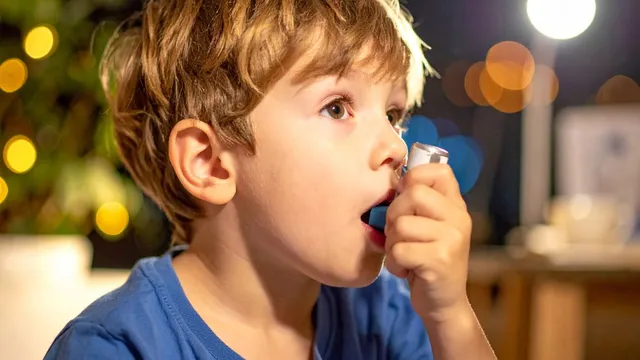
Winter Pollution In Cities: In an urban setting, air pollution in winter conditions worsens due to stagnant climatic conditions, the increase in the use of cooling units in buildings for heating, and congested roads, resulting in the toxic combination of particulate matter (PM2.5), Nitrogen dioxide (NO2), and ozone. Children, with their nascent lung tissues and, consequently, their high ventilatory demand, intake more of these pollutants, having entered their respiratory surfaces, resulting in inflammation. Such exposure increases their susceptibility to allergies caused by asthma, rhinitis, and eczema, as these pollutants, entering their body, work as irritants and sensitisers, elevating their sensitivity to pollen, dust mites, etc.
To add to the problem, the finer pollution particles in car exhaust and industrial pollution increase the strength of allergens, propelling these deeper into the respiratory tract, resulting in chronic wheezing, coughing, and bronchitis attacks in children. In conversation with The Daily Jagran, Dr Beauty Biswas, Pulmonologist, CK Birla Hospitals, CMRI, shares that winter pollution is worsening allergic diseases in children.
Fine particulate matter, particularly PM2.5, poses one of the greatest threats to respiratory health. These microscopic particles penetrate deep into the airways and lungs, causing inflammation and direct injury to the respiratory lining. Dr Beauty Biswas states, “More importantly, PM2.5 does not act alone—it amplifies allergic sensitisation.” This means children exposed to polluted air are more likely to develop or experience worsening allergic conditions such as allergic rhinitis, asthma, and recurrent wheezing.
Recommended For You





Recent estimates suggest that nearly 20-30 per cent of Indian children are now affected by allergic diseases, a figure that continues to rise in urban environments. Winter further aggravates this burden, as pollution levels remain persistently high and children spend more time indoors with poor ventilation, increasing exposure to allergens such as dust mites and mould.
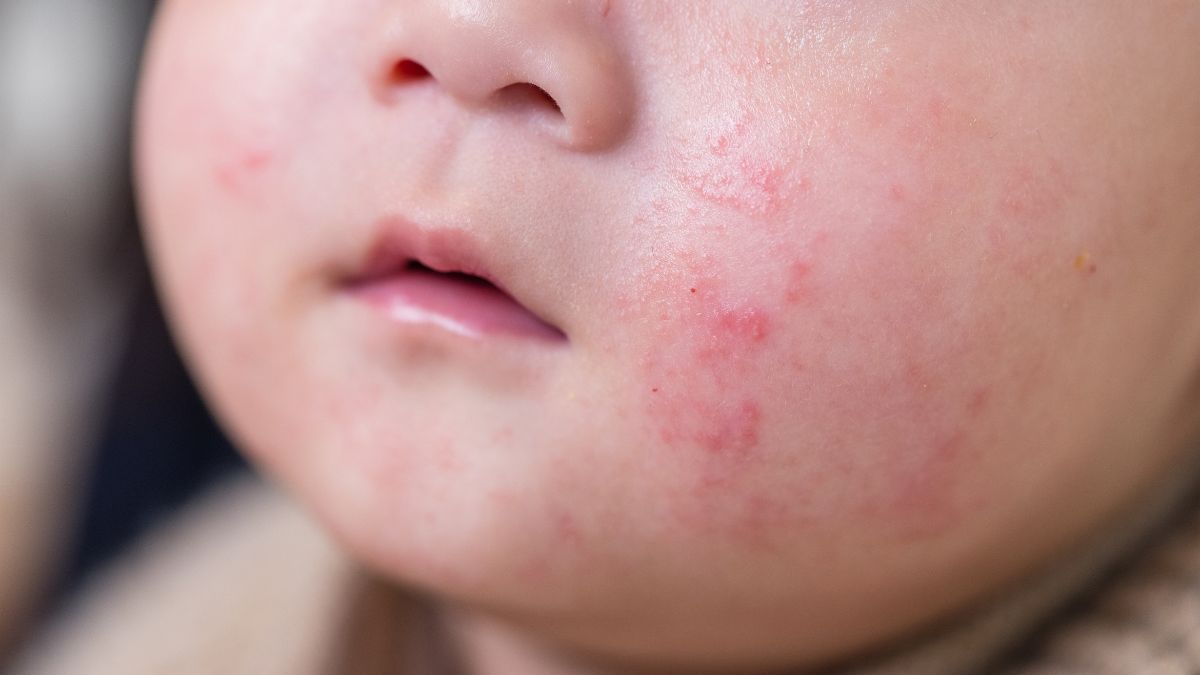
Air Pollution Worsens Allergic Diseases In Children (Image Credits: Canva)
Children are particularly prone to pollution-induced allergies for several reasons. Their lungs are still developing, they breathe at a faster rate than adults, and they often have prolonged exposure during outdoor play or school hours. Repeated airway inflammation during these formative years can have long-term consequences. What begins as seasonal allergies in childhood can evolve into chronic respiratory illnesses in adulthood, including persistent asthma, reduced lung capacity, and increased susceptibility to infections.
The interaction between air pollution and allergies also leads to more frequent symptom flare-ups, increased school absenteeism, repeated doctor visits, and a significant impact on quality of life—not only for children but also for their families. Dr Beauty Biswas mentions, “Adults with pre-existing respiratory conditions such as asthma often experience poor disease control during winter, highlighting how early-life exposure sets the stage for long-term respiratory vulnerability.”
Recognising early symptoms is crucial. Persistent nasal congestion, frequent sneezing, chronic cough, wheezing, disturbed sleep due to breathing difficulty, or recurrent chest infections should not be dismissed as “seasonal” or “normal.” Early diagnosis allows for better symptom control and reduces the risk of long-term lung damage.
ALSO READ: Smog Stories: Can Delhi's Polluted Air Cause Cancer? What Experts And WHO Findings Reveal
Prevention plays a vital role in protecting children from pollution-related allergic diseases. Parents should monitor daily air quality levels and limit outdoor activity during peak pollution hours. The use of well-fitted masks outdoors, ensuring good indoor ventilation, regular cleaning to reduce dust accumulation, and avoiding exposure to tobacco smoke are simple yet effective steps. Maintaining a balanced diet, staying up to date with vaccinations, and seeking medical advice for persistent symptoms can also strengthen respiratory resilience.
The rising prevalence of allergic diseases in children is a clear warning sign. Addressing this challenge requires not only individual preventive measures but also stronger public health interventions to improve air quality. Protecting children’s lungs today is essential to safeguarding their respiratory health for the future. Early awareness, timely medical care, and collective action can help break the cycle of pollution-driven allergies and chronic respiratory illness.