
- By Ridam Sharma
- Tue, 03 Feb 2026 03:54 PM (IST)
- Source:JND
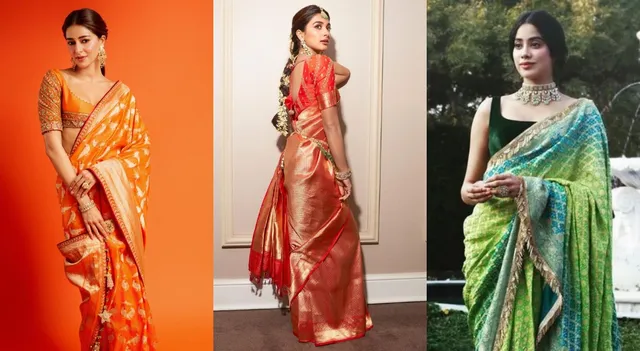
Indian traditional sarees have always been a symbol of timeless beauty, carrying the essence of rich Indian heritage and cultural significance. As royalty, it was worn in old times, with the same elegance it is worn today and regarded as a statement fashion in itself. These 6 yards of elegance is weaved acoss India, with their own specialities, known as Kanjivaram, Banarasi, Mysore Silk sarees and others. These traditional Indian drapes are some of the most beautiful examples of Indian sarees.
However, to know the difference between each, you need to be aware of the authentic weaving technique and craftsmanship used to make it. So, to upgrade your fashion knowledge and to make saree shopping more convenient. Here are six ways to identify traditional Indian sarees just by looking.
1. Kanjivaram Saree
Kanjivaram sarees from Tamil Nadu have broad and contrasting borders with intricate temple designs, peacocks, and floral designs woven in pure mulberry silk. The pallu and borders will be heavier with thick zari work that has a red thread beneath when scratched, and the fake ones have white threads. Look for a 'pinti' mark where the body and pallu meet and a natural lustre that is not uniform.
Recommended For You





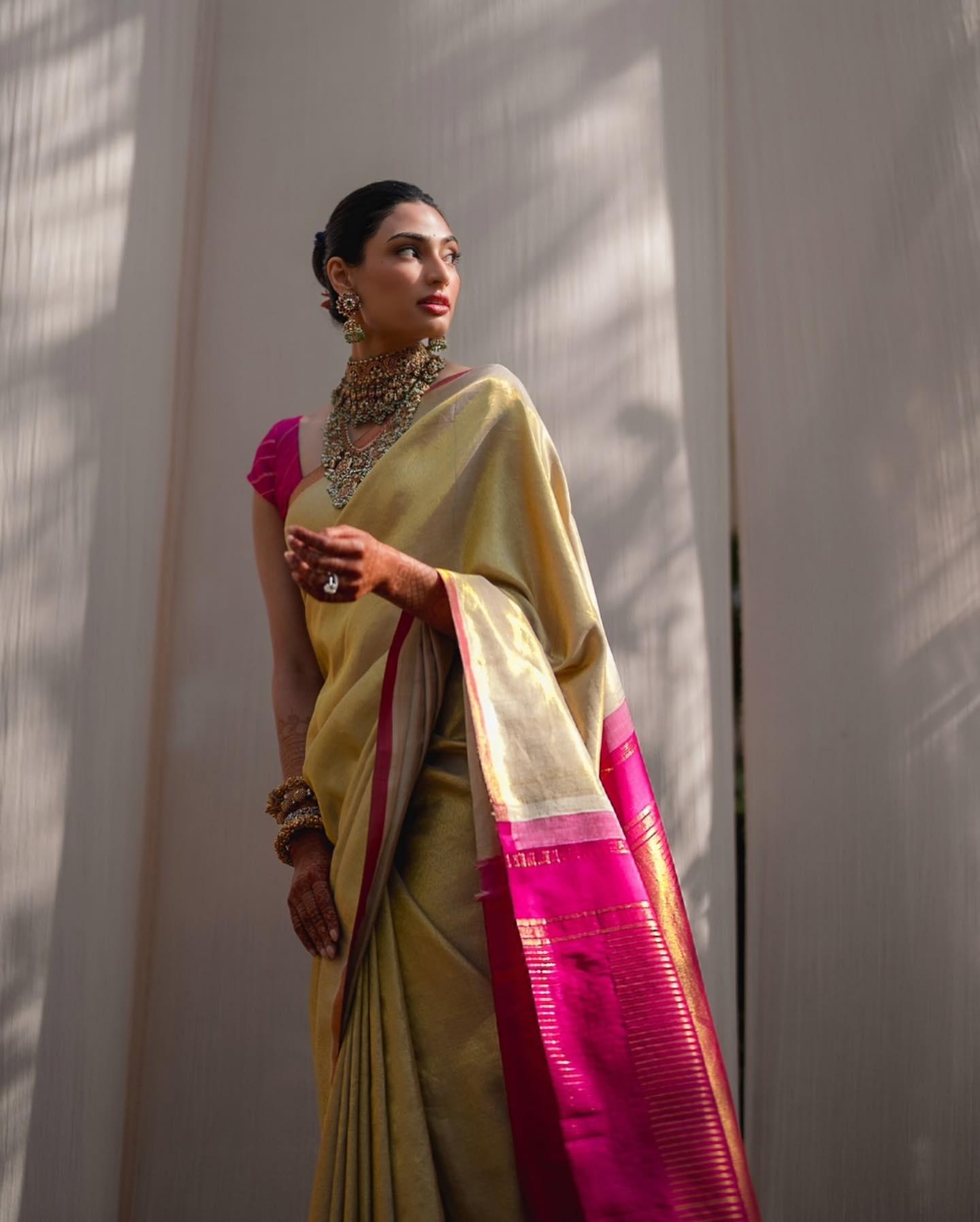
Indian traditional saree (Image Credit: Instagram @stylebyami)
2. Banarasi Saree
As the name suggests, the Banarasi saree originates from Varanasi. These sarees are popularly woven in floral, leaves or vine patterns, influenced by Mughal art. One more highlight of the Banarasi saree is its soft zari shine and dark-hued patterns, along with the fine texture and flawless designs on the pallu.
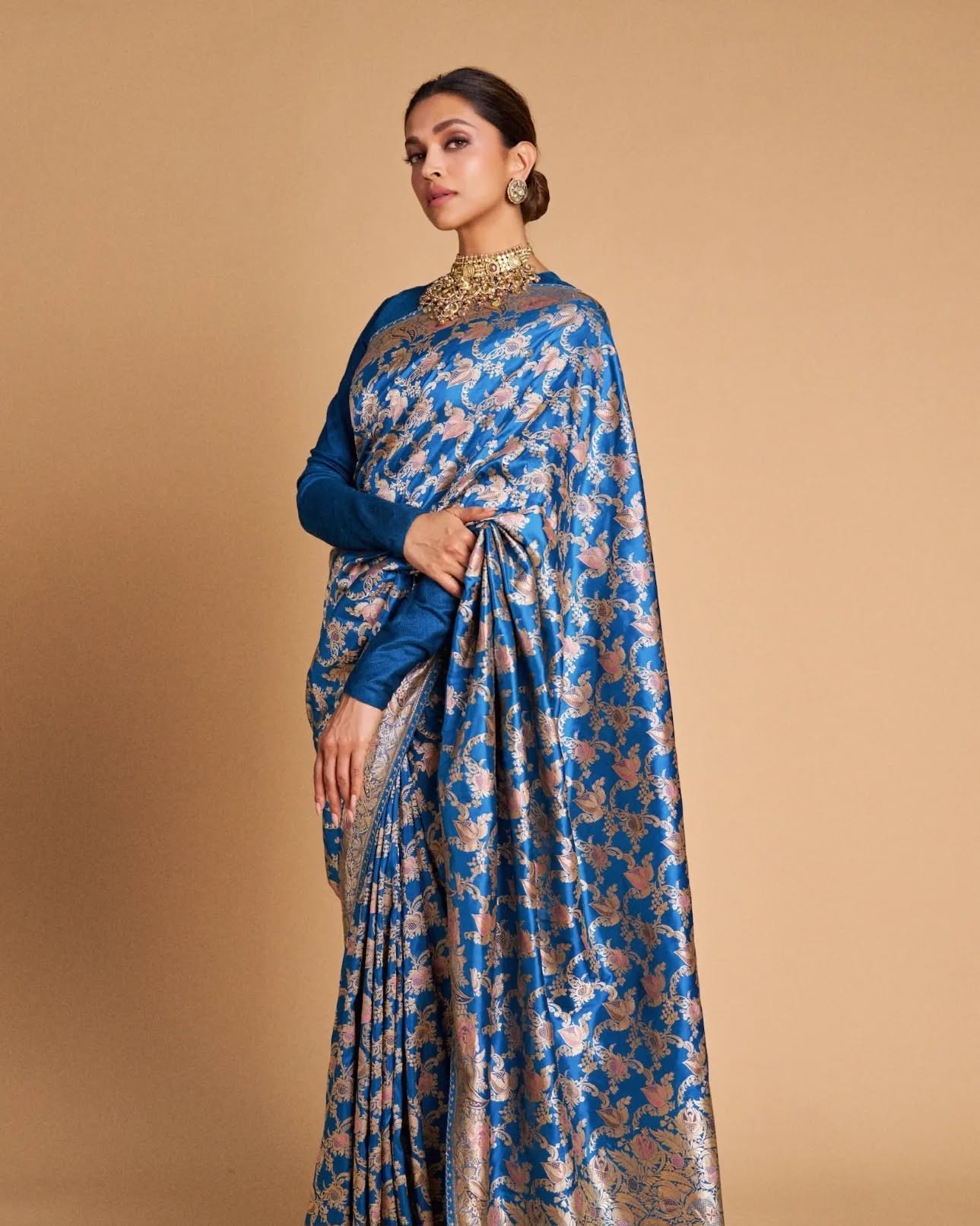
Banarasi Saree (Image Credit: Instagram @bridesofsabyasachi)
3. Mysore Silk Saree
Karnataka’s famous Mysore silk saree showcases a smooth, buttery-soft texture and is lightweight. These sarees often feature minimalistic designs like subtle strips and less elaborate borders.
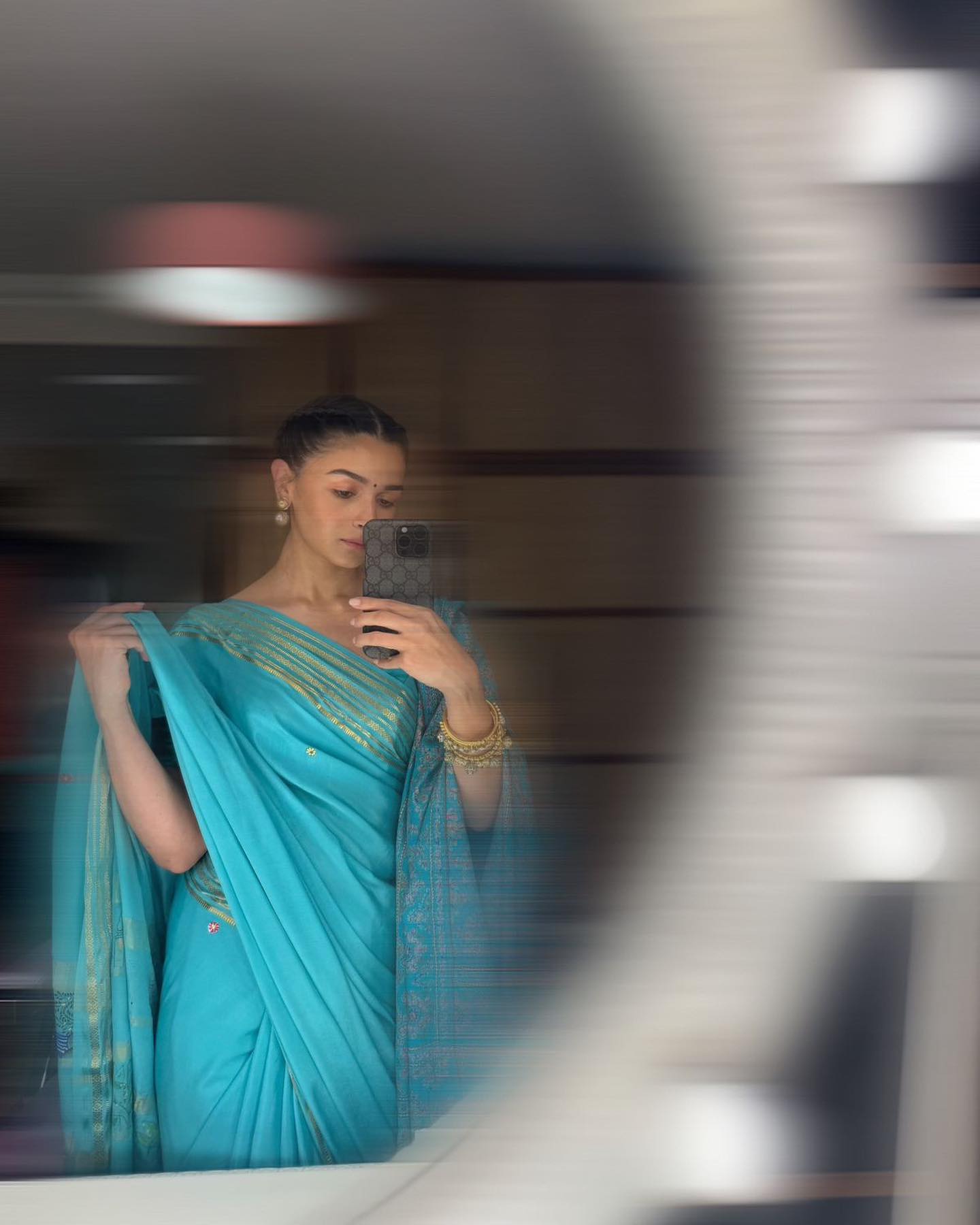
Indian traditional saree (Image Credit: Instagram @aliaabhatt)
4. Check Weight Balance
An authentic silk drapes have an imbalanced weight. For example, Kanjivaram sarees are heavier towards their borders, Banarasi sarees are balanced and intricate, and Mysore sarees remain light as a feather. Usually, the fake traditional sarees are always heavy or stiff.
ALSO READ: Banarasi Saree vs Kanjivaram Saree: Know The Basic Difference Between These Traditional Silk Drapes
5. Bandhani Saree
Bandhani sarees are crafted in Gujarat and Rajasthan and are easily identified with their handmade, tie-dyed, and slightly imperfect, tiny dotted patterns. These sarees are usually made from lightweight fabrics like cotton or georgette.
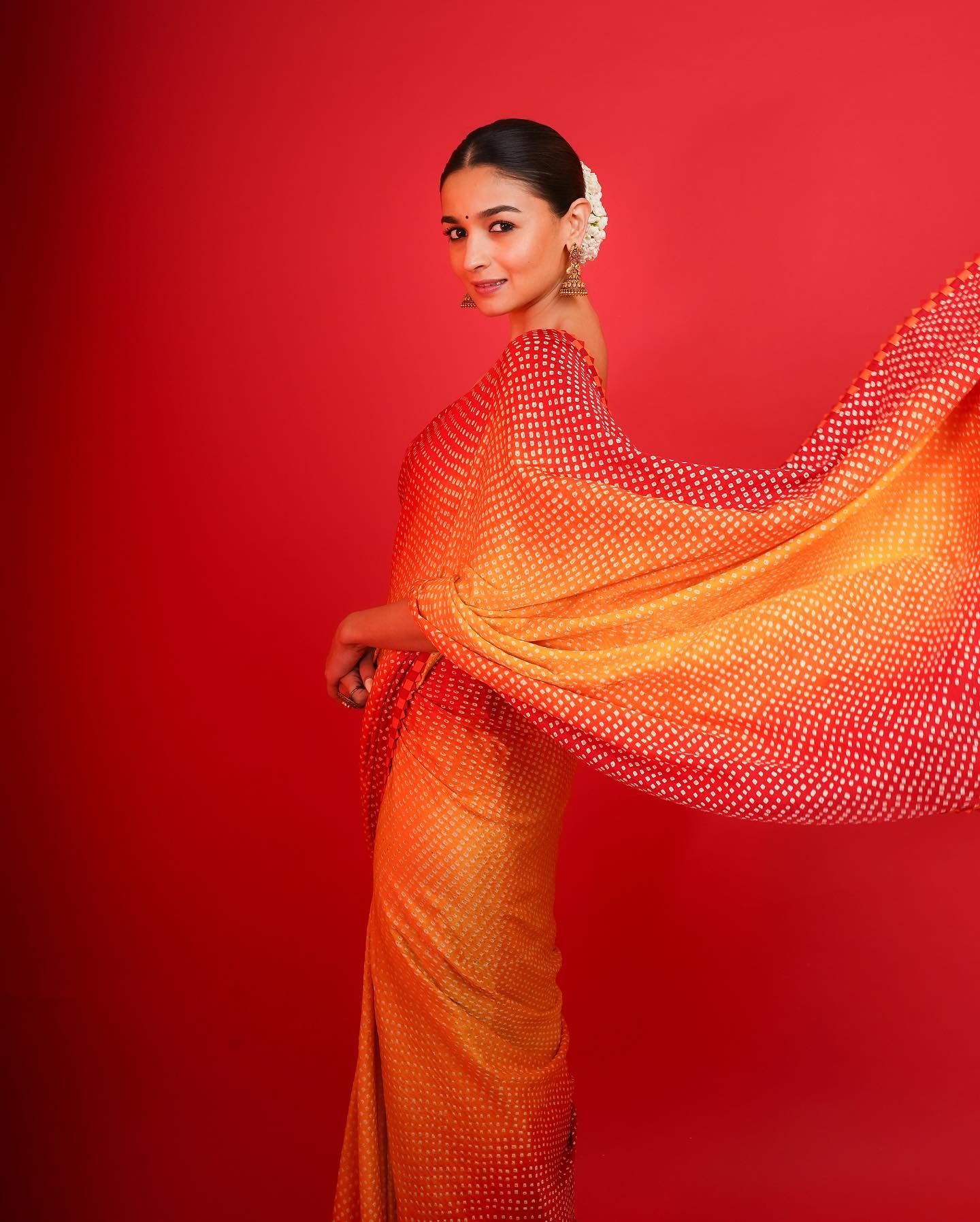
Indian traditional saree (Image Credit: Instagram @stylebyami)
6. Check Zari Quality
Good zari has a soft, subtle effect in light (Banarasi) or a bold shine (Kanjivaram); it should not flake or glare. Mysore silk has a sparse, thin weave.
ALSO READ: Nirmala Sitharaman’s Budget Day Sarees From 2019 To 2026: What Each Saree Symbolised
Lastly, each of the above-mentioned sarees have their own speciality in texture and pattern. However, it is still important to look for weaving errors like lawed embroidery, and the Silk certification mark is always present in handloom original sarees.