
- By Priyanka Koul
- Sat, 07 Mar 2026 04:22 PM (IST)
- Source:JND
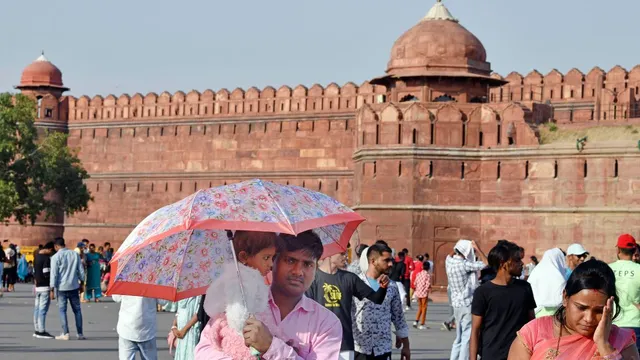
North India is witnessing an unusually early onset of summer this year. Residents across Delhi, Haryana, Uttar Pradesh, Uttarakhand and Punjab have already begun switching on air conditioners, fans even before putting away their winter clothes.
Traditionally, March acts as a gentle transition between the harsh cold of January and the intense heat of May. During this period, temperatures typically remain comfortable, hovering between 22degrees C and 25degrees C. This year, however, the mercury has surged dramatically, skipping the usual mild phase and climbing straight to around 35 degrees C across parts of Delhi, Haryana and Uttar Pradesh.
The sudden shift has been so drastic that the India Meteorological Department (IMD) has recorded temperature departures of 7 degrees C to 12 degrees C above the seasonal average in several districts. In early March itself, Delhi’s Safdarjung observatory recorded temperatures above 34 degrees C, a level usually seen towards the end of the month.
The rapid jump from “winter-wear weather" to “Hot spell weather" has happened in less than two weeks, effectively wiping out the brief spring season that typically shapes North India’s climate and agricultural cycle.
What’s the reason?
The main reason behind this disappearing season is the unusual lack of active Western Disturbances (WDs). Normally, these moisture bearing systems originating from the Mediterranean region bring periodic rainfall and thunderstorms to the plains of North India during February and March. Such showers help cool the region, preventing temperatures from rising too quickly and preserving the mild spring conditions.
In 2026, however, these disturbances have remained “feeble" and have shifted much further north towards the higher Himalayan regions, according to a News18 report.
Without rainfall and cloud cover to moderate temperatures, the sun’s radiation has been directly heating the dry plains, leading to a rapid and unchecked rise in surface temperatures.
ALSO READ: 'Attempt To Divide': CM Mamata Banerjee Slams Centre, EC Again Over Bengal SIR
Another contributing factor is the development of a strong anticyclone over the Arabian Sea and parts of western India. This high-pressure system has effectively pushed warm, dry winds from the desert regions of Balochistan and Rajasthan into northern India.
These winds act as a “hot lid" over the region, trapping heat and preventing cooler air from the Himalayan region from moving down into the plains. The combination of reduced rainfall and incoming desert winds has created what experts describe as a “pre-summer" furnace effect, weeks earlier than usual.
The abrupt weather shift has virtually erased the spring season this year. Typically, spring is a short but pleasant transition period marked by gradually rising temperatures, longer daylight hours and fluctuating weather patterns as winter gives way to summer. It is generally considered one of the most comfortable times of the year, with temperatures averaging around 32degrees C (90 degrees F) before the extreme heat of May arrives.
The disappearance of spring season is not just uncomfortable, it could also threaten India’s food security. Wheat crops are currently in their crucial “grain-filling" stage, a phase that requires a gradual rise in temperature for proper development.
If temperatures suddenly spike to around 35 degrees C, the grains can shrink and shrivel, potentially cutting yields by as much as 20 per cent. Farmers in Punjab and Haryana are now trying to counter the heat by using light irrigation to cool the soil, but the lack of natural moisture remains a major challenge.
Health concerns are also rising. The sudden shift in weather has triggered an increase in viral infections and seasonal fatigue. The human body normally requires weeks to adjust to rising temperatures, but this year the transition has happened in just a few days.
Doctors in Delhi have reported a 30 per cent rise in cases of heat-related exhaustion and respiratory problems, many of which are linked to the dry and dusty winds accompanying the early heat.