
- By Yashashvi Tak
- Thu, 29 Jan 2026 05:02 PM (IST)
- Source:JND
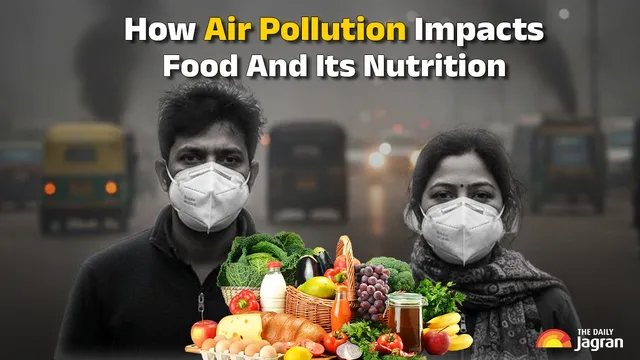
Smog Stories: Air pollution is no longer just an environmental or respiratory concern. It is increasingly emerging as a silent threat to food quality, nutrition, and long-term food security. As air quality in urban and industrial regions continues to deteriorate, particularly during winter months, its ripple effects are being felt far beyond human lungs. From farms and soil to crops, livestock, and ultimately our dinner plates, polluted air is quietly altering what we eat and how nutritious it is.
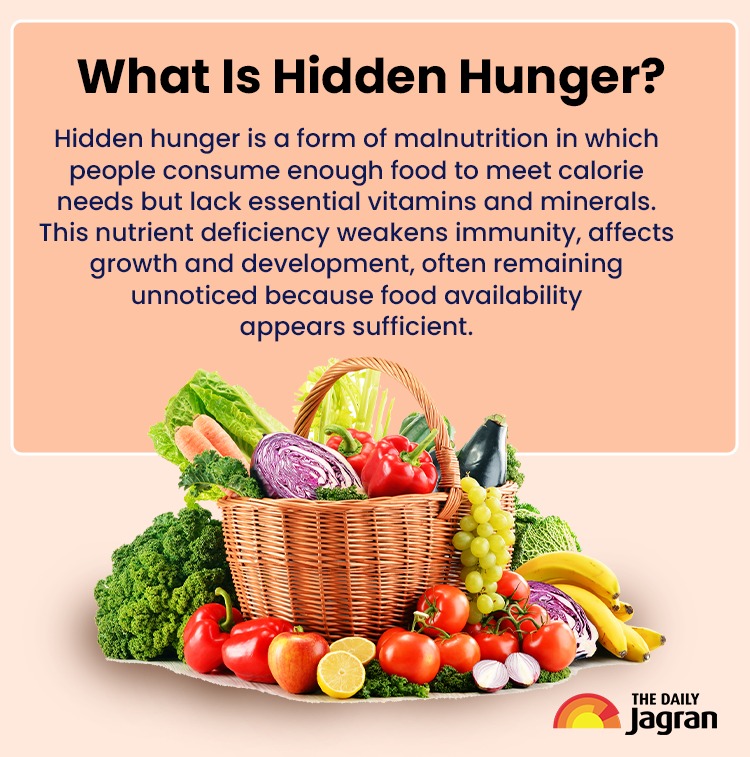
Traditionally, air pollution has been linked to respiratory illnesses, cardiovascular disease and weakened immunity. However, experts now warn that prolonged exposure to polluted air also disrupts the food chain, creating what scientists describe as "hidden hunger", a condition where food may appear sufficient in quantity but is depleted of essential nutrients.
How Air Pollution Enters the Food Chain
Explaining how pollution travels from the atmosphere to the food system, experts say air pollution is largely a man-made environmental hazard with cascading consequences. Speaking to The Daily Jagran, Kanchan Khurana, Senior Clinical Nutritionist at Fortis Hospital, Greater Noida, said, "Pollutants such as heavy metals, ozone, carbon dioxide, factory by-products like soot, cement dust, silica, and metal particles eventually settle on the earth's surface. These toxins are inhaled by living beings and absorbed by crops through air, soil, and water."
Over time, the combined use of chemical fertilisers, pesticides, and exposure to airborne pollutants contaminates agricultural land. This degrades soil fertility and reduces the population of beneficial microorganisms such as rhizobium, a nitrogen-fixing bacterium essential for plant growth. Poor soil health directly translates into crops that are lower in minerals, proteins, and overall nutritional value.
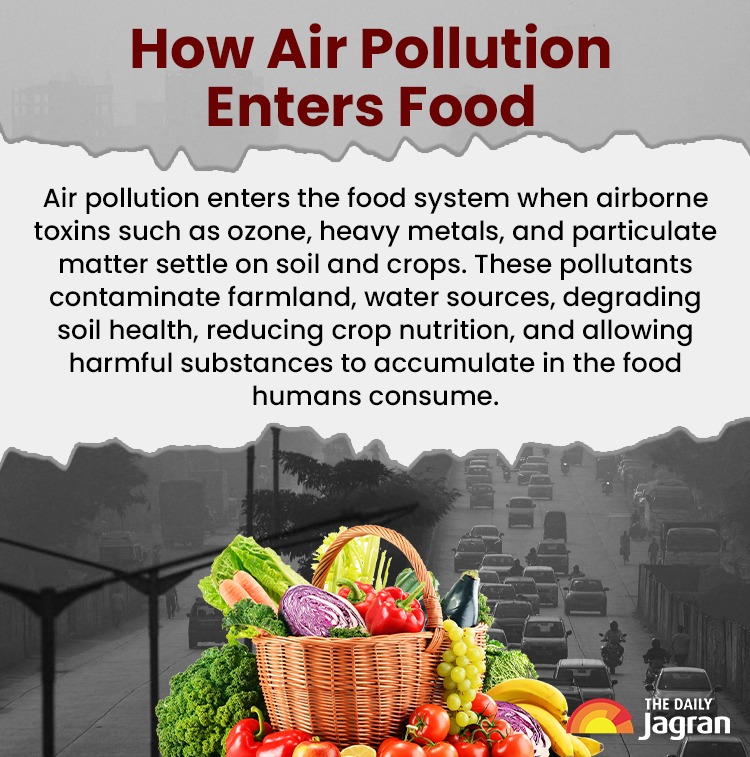
Water pollution further compounds the problem, allowing toxins to seep deeper into the food system through irrigation and groundwater, amplifying contamination across multiple stages of food production.
Foods Most Affected
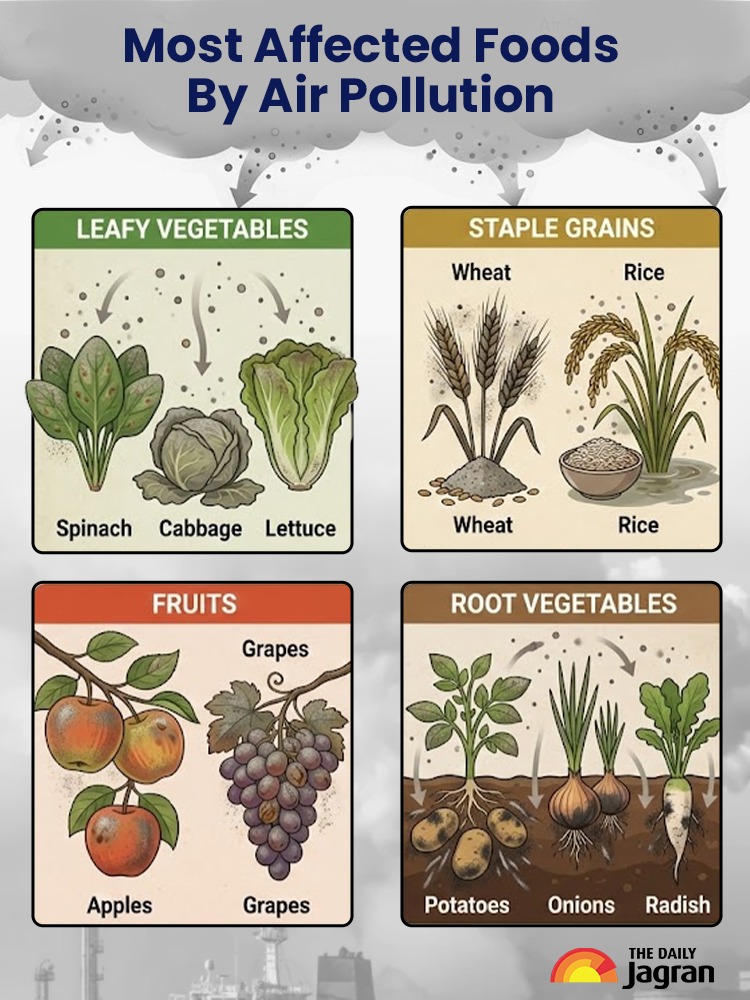
Experts warn that foods consumed daily are among the most vulnerable to air pollution exposure:
- Leafy vegetables such as spinach, cabbage, and lettuce act like biological sponges, collecting heavy metals and particulate matter directly from polluted air.
- Staple grains like wheat and rice are highly sensitive to ozone, which damages grain development and reduces yields.
- Fruits such as apples and grapes decay faster due to prolonged pollution exposure, reducing shelf life and farmer income.
- Root vegetables like potatoes absorb toxic metals more easily as air pollution increases soil acidity.
- Animal-based products are indirectly affected, as livestock consume polluted feed and water. Poor crop quality often leads to reduced milk and egg production.
The Science Behind Crop Damage
Highlighting the biological impact of polluted air on crops, Dr Tanushree Gahlot, Additional Director, Pulmonology at Fortis Hospital, Greater Noida, explained that air pollution alters plant physiology at a fundamental level. "Air pollution doesn't just hang in the sky, it changes the biology of the food we eat," she told The Daily Jagran.
"Plants breathe through microscopic pores called stomata. When air is polluted, these pores absorb harmful toxins instead of clean carbon dioxide, disrupting normal plant functions," Dr Gahlot added.
One of the most damaging pollutants is ground-level ozone (O3). It acts as a powerful oxidant, entering plant leaves and triggering oxidative stress, similar to rusting at a cellular level. This reduces photosynthesis, stunts growth, shrinks grain and fruit size, and causes annual yield losses of 5-12 per cent globally in crops such as wheat, rice, and soy.
Particulate matter, including soot and dust, settles on leaf surfaces, blocking sunlight and raising leaf temperatures, especially during heatwaves, further compounding crop damage.
Nutrition Loss and "Hidden Hunger"
Air pollution not only reduces the quantity of food produced but also hollows out its nutritional value. Studies show that high ozone exposure lowers protein and oil content in crops like soybeans and wheat. Pollutants also interfere with plants' ability to absorb vital minerals such as calcium, iron, and magnesium.
Heavy metals including lead, cadmium, and arsenic accumulate in soil and leafy greens, entering the human body directly through consumption. This creates a dangerous paradox: food that appears fresh and abundant but lacks essential nutrients, fueling the crisis of "hidden hunger".
What Can Be Done?
India's Green Revolution of the 1960s, and the later adoption of high-yield and genetically modified crops, helped avert mass famine. However, experts believe the country now needs a Green Revolution 2.0, focused not just on quantity, but on food quality, safety, and sustainability. The government has introduced initiatives such as PM PRANAM, Nagar Van Yojana, and the National Clean Air Programme (NCAP). Yet experts stress that these efforts must be scaled up and better integrated with agricultural policy.
"Rising awareness and demand for organic food is a positive shift, but demand still exceeds supply," Kanchan Khurana said, adding, "Promoting organic farming, bio-farming research, and cleaner seed technologies is the need of the hour."
Dr Gahlot added that stricter emission controls, banning crop residue burning, pollution-warning systems for farmers, and subsidies for clean agricultural practices are essential to protect both food security and nutrition. As air pollution worsens, addressing its impact on food is no longer optional. It is critical for public health, farmer livelihoods, and the nation's nutritional future.
(This article is part of the series 'Smog Stories'. To read more articles in the series, click here)