
- By Chetna Shree
- Fri, 09 Jan 2026 06:31 PM (IST)
- Source:JND
Smog Stories: Every winter, a thick layer of toxic smog blankets the national capital, turning daily life into a public health and economic crisis. Delhi recorded an average Air Quality Index (AQI) of 349 in December 2025, making it the worst December in recent years, with the air quality remaining in the ‘very poor’ to ‘severe’ range for most of the month. This persistent air pollution in Delhi does not just affect lungs, it also slows productivity, increases healthcare costs, and disrupts education, quietly eroding the city’s economic growth.
An analysis by the Centre for Research on Energy and Clean Air (CERA) estimated that air pollution costs Delhi Rs 64,250 crore in a single year or nearly 5.8 per cent of the city’s GDP as schools shut, workers lose active days of employment, and healthcare costs rise.
From school closures and increased healthcare costs to halted construction and reduced productivity, every smog-filled day translates into real financial losses for households, schools, businesses, and the government.
How Does Air Pollution Affect Work Productivity In Delhi?
Air pollution in Delhi significantly impacts work productivity by harming physical health and reducing efficiency.
- Reduced Concentration: A LocalCircles survey found that three out of four households in the Delhi-NCR region experience symptoms such as fatigue, headaches, burning eyes, and respiratory issues, which lower workers’ ability to focus and perform efficiently.
- Increased Absenteeism: Employees suffering from severe pollution-linked illnesses take more leave, while those who work despite being sick operate at reduced efficiency, affecting overall output.
- Pollution-Related Restrictions: Government-mandated restrictions, such as 50 per cent work-from-home policies and halted construction activities, significantly affect work productivity, especially in sectors that cannot operate remotely.
A LocalCircles survey found that eight per cent of respondents intended to move out of Delhi-NCR because of the toxic air. In December 2025, Rajkumar Bafna, the finance head of Akums Drugs and Pharmaceuticals, resigned from his position, citing Delhi’s pollution as the reason.
“I would like to inform you that due to the Delhi Pollution level I am resigning from my position as President of Finance. Kindly relieve me asap.”
What Are The Healthcare Costs Of Air Pollution In Delhi?
Air pollution in Delhi imposes significant healthcare costs on individuals, families and the healthcare system. The costs are not just immediate but accumulate over time due to chronic illness caused by prolonged exposure.
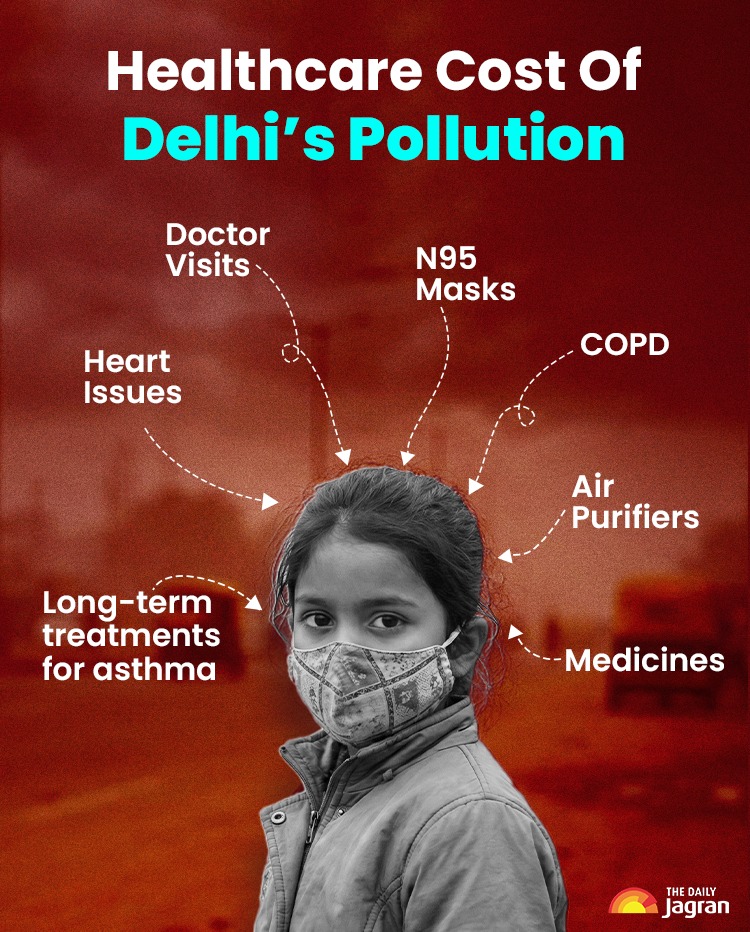
- Rising Medical Expenses: According to The Energy and Resources Institute (TERI), Delhi incurs nearly Rs 7,000 crore annually for pollution-linked illnesses, including hospitalisation and treatment of asthma, COPD, and lung cancer. A LocalCircles survey found that 73 per cent of respondents in Delhi-NCR are concerned about the rising medical expenses of pollution-linked health issues.
- Pollution-Related Insurance Claims: According to a Policybazar report, the average pollution-related health insurance claim in Delhi is around Rs 55,263, with children under 10 years filing 43 per cent of claims in major cities.
- Long-Term Health Impact: A Global Burden of Disease (GBD) study found that air pollution is directly linked to chronic illnesses and premature deaths. About 17,000 individuals died in Delhi in 2023, with PM2.5 pollution contributing to roughly 15 per cent of all deaths in the city.
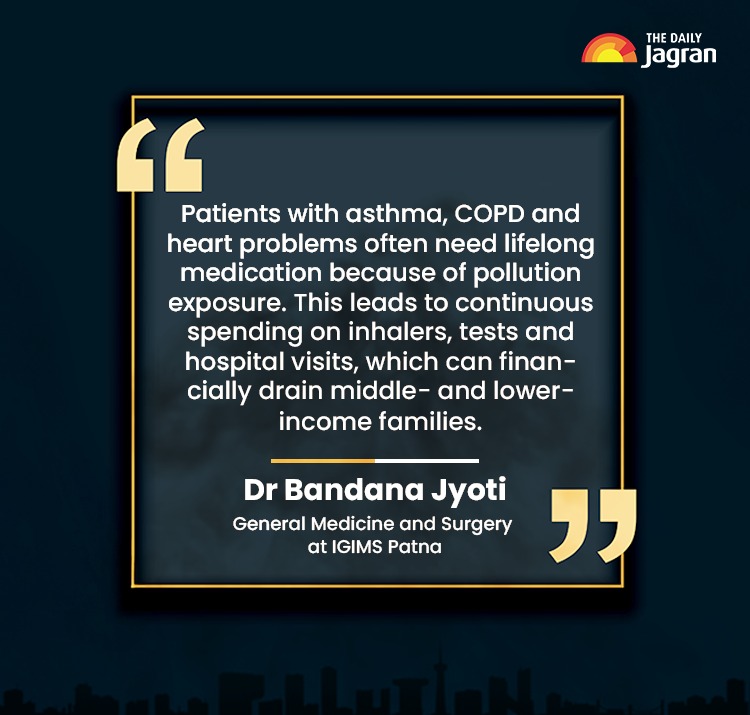
A CREA analysis reported that air pollution costs Delhi about Rs 64,250 crore in a single year, roughly 5.8 per cent of the city’s GDP, due to health damage, work absences and premature deaths.
ALSO READ: Smog Stories: Delhi Remains World's Most Polluted City; Is There Any Hope For Clear Air Ever?
How Smog Affects School Education?
Air pollution in Delhi significantly causes loss of studies, impacting students’ long-term learning outcomes.
- School Closures: During severe pollution episodes, schools are forced to shut for 10-15 days annually, which affects the academic calendar, performance, assessment results, and overall learning outcomes.
- Health-Related Absenteeism: About 75 per cent of households in Delhi-NCR report respiratory infections, coughs, and headaches during heavy pollution days, leading to school closures and frequent student absences.
- Reduced Learning Productivity: Children affected by severe pollution-related illnesses often miss school, while those who attend despite being ill struggle with fatigue, poor concentration, and headaches, which significantly hamper their learning and classroom performance.
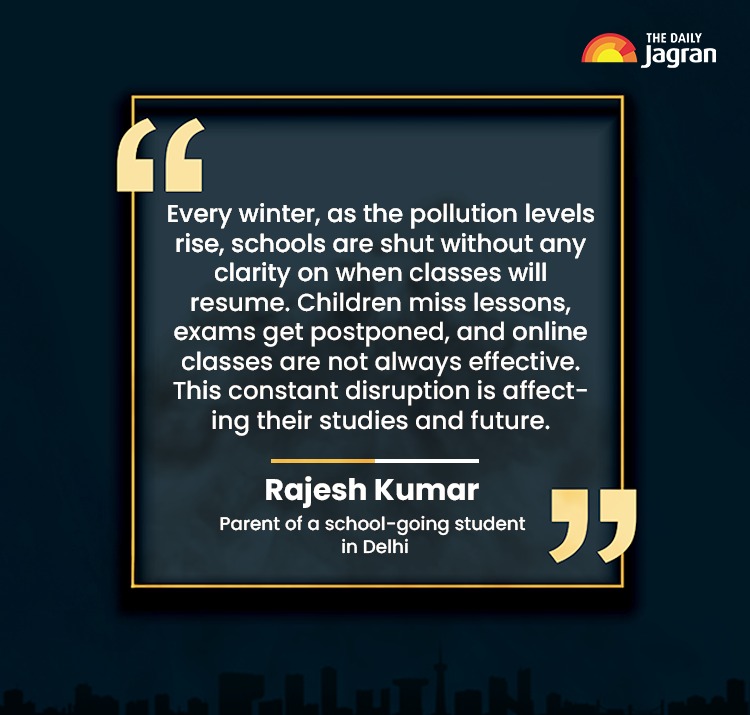
Conclusion: Total Economic Cost of Smog in Delhi
Delhi’s winter smog is no longer just an environmental concern, it has become a social and economic crisis. Lost workdays, declining productivity, rising healthcare expenses and frequent school closures place a heavy burden on households and the city’s economy.
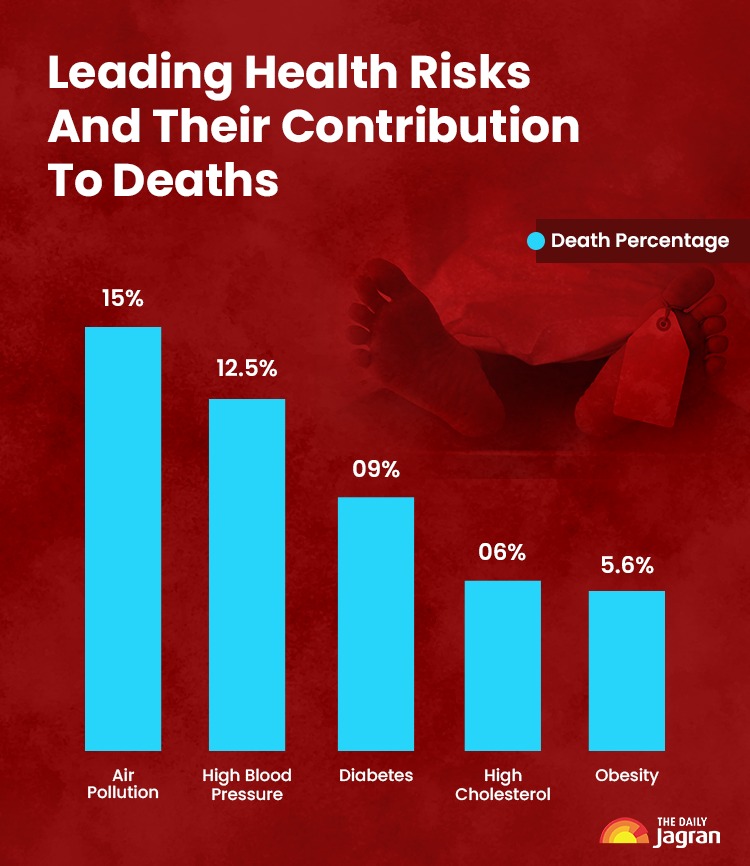
Source: CERA
“Air pollution is silently damaging Delhi’s workforce and future generations by reducing productivity today and increasing disease burden tomorrow,” Jyoti added.
Unless Delhi moves from seasonal fighting to sustained clean-air reforms, toxic smog will continue to undermine growth, health and education, turning each winter into an unpredictable economic setback.
(This article is part of the series 'Smog Stories'. To read more articles in the series, click here https://www.thedailyjagran.com/search/Smog-Stories)