
- By Akansha Pandey
- Mon, 19 Jan 2026 01:12 PM (IST)
- Source:JND
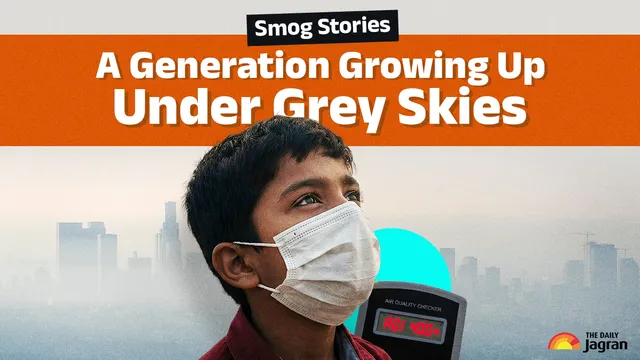
Smog Stories: Imagine a childhood where children are not allowed to play outside, where stepping into the open air comes with the risk of severe diseases and anxiety. It sounds unusual, almost alarming. Yet, this is slowly becoming a reality for children growing up in Delhi today. With rising air pollution and prolonged smog episodes, childhood in the capital has been significantly impacted, marked by masks, restricted outdoor play and constant air quality alerts.
Where earlier generations grew up breathing fresh air and soaking in sunlight, today’s children are increasingly confined indoors. Due to persistently poor Air Quality Index (AQI) levels, parents hesitate to let their children step outside. This lack of outdoor activity is leading to reduced physical movement and limited exposure to sunlight, which has resulted in widespread Vitamin D deficiency among children. Among adults, diseases like osteomalacia are also becoming more common.
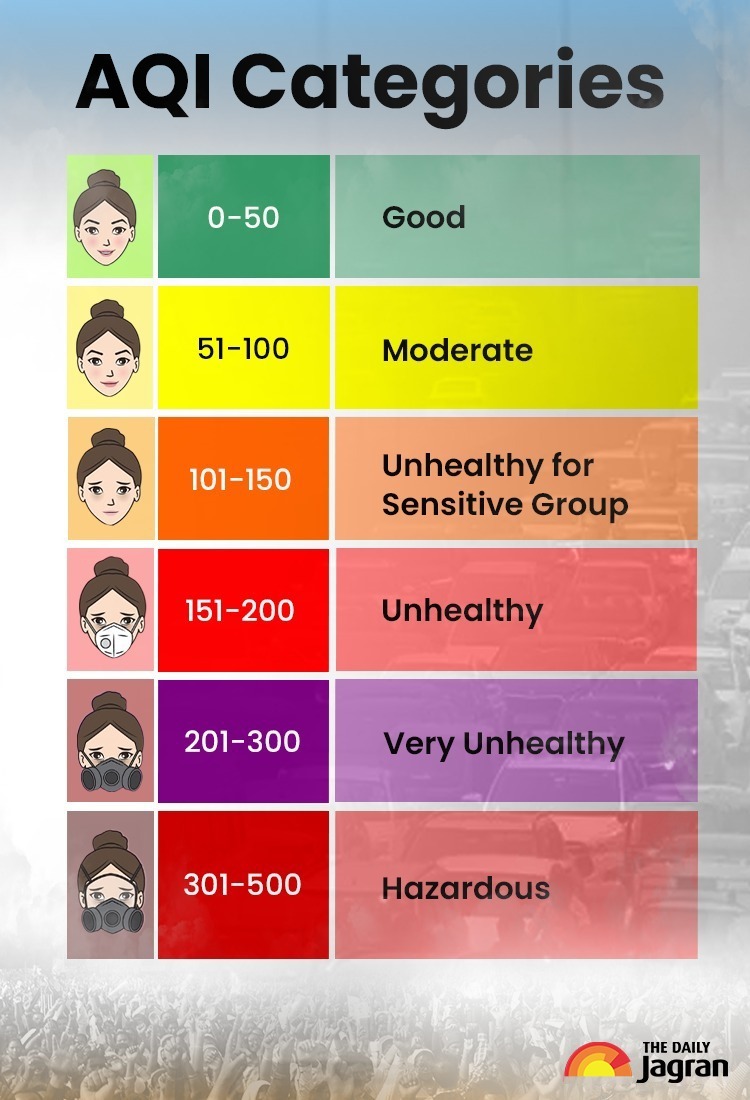
Delhi’s AQI frequently ranges between 350 and 400, categorised as "very poor" to "severe". Respiratory problems have become common, affecting both adults and children. Doctors often recommend N95 or N93 masks, but according to the NIH, prolonged use of these face masks, especially among children, can lead to discomfort, breathing difficulty and anxiety.
Pollution As A Normalised Part Of Childhood
Over the past few years, Delhi’s AQI has shown a rising trend, and along with it, pollution-related illnesses have increased. According to the World Health Organisation (WHO), almost every organ in the body can be impacted by air pollution. Fine pollutants like PM2.5 can enter the bloodstream through the lungs, leading to systemic inflammation and increasing the risk of chronic diseases.
Alarmingly, the impact of air pollution begins even before birth. WHO highlights suggestive evidence linking air pollution exposure to adverse pregnancy outcomes such as low birth weight, restricted fetal growth, and increased risks of diabetes, neurological disorders, and cognitive impairment. Pregnant women in polluted environments often face complications, directly affecting the health of unborn children.
According to AQI.in, in the first 15 days of 2026, 0 per cent of days were within the WHO’s safe air quality limits. The risk of health issues is extreme, potentially causing respiratory problems, heart disease, skin issues and stress, especially for children, the elderly and those with pre-existing conditions.
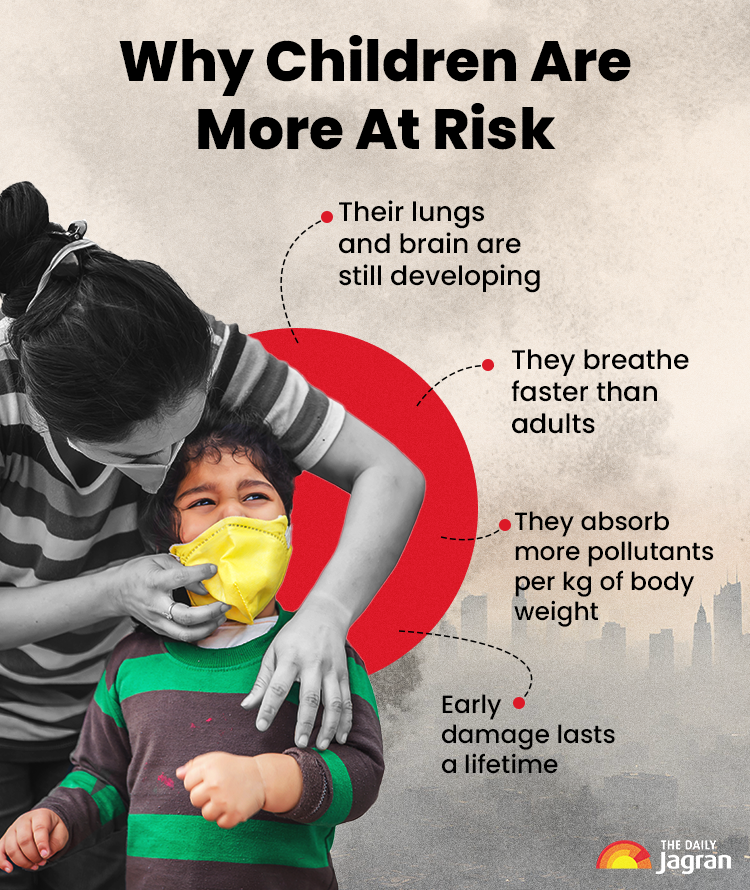
"Children are more vulnerable because their lungs, immune system and brain are still developing. They breathe faster than adults, inhale more polluted air, and spend more time outdoors. Early exposure to pollutants like PM2.5 can permanently damage lung development, reduce lung capacity and increase the lifetime risk of asthma and respiratory diseases," said Dr Vikas Mittal, Director, Pulmonologist at the CK Birla Hospital, Delhi.
Daily Avg. AQI For Delhi During The Entire Year
Year | 2018 | 2019 | 2020 | 2021 | 2022 | 2023 | 2024 | 2025 |
Daily Avg. AQI | 225 | 215 | 185 | 209
| 209 | 204 | 226 | 232 |
Highest AQI- January 13, 2026 - 522
Lowest AQI- January 19, 2026 - 117
Why Does Air Pollution Affect Children More Severely Than Adults?
According to Prof Dhiren Gupta, Co-Director of Paediatric Pulmonology and Allergy at Sir Ganga Ram Hospital, children are more vulnerable because their lungs are still developing and they breathe more polluted air than adults. "Early exposure can permanently damage lung growth," he says.
Doctors explain that children breathe faster than adults, especially when playing or at school, which means they inhale more particulate matter like PM2.5. Their immune system and brain are also still developing, making them more susceptible to long-term damage.
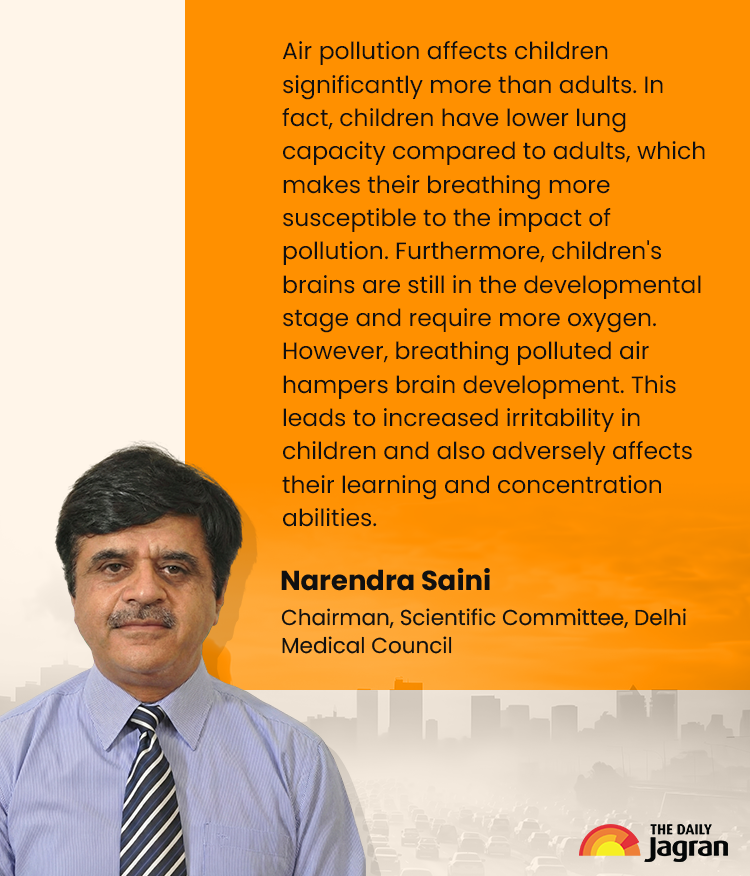
Dr Narendra Saini, Chairman of the Scientific Committee of the Delhi Medical Council, adds that children’s lower lung capacity and higher oxygen requirement for brain development make polluted air particularly harmful. "Exposure impacts brain development, increases irritability, and affects learning and concentration," he notes.
Are Doctors Seeing A Rise In Pollution-Related Illnesses Among Children In Delhi?
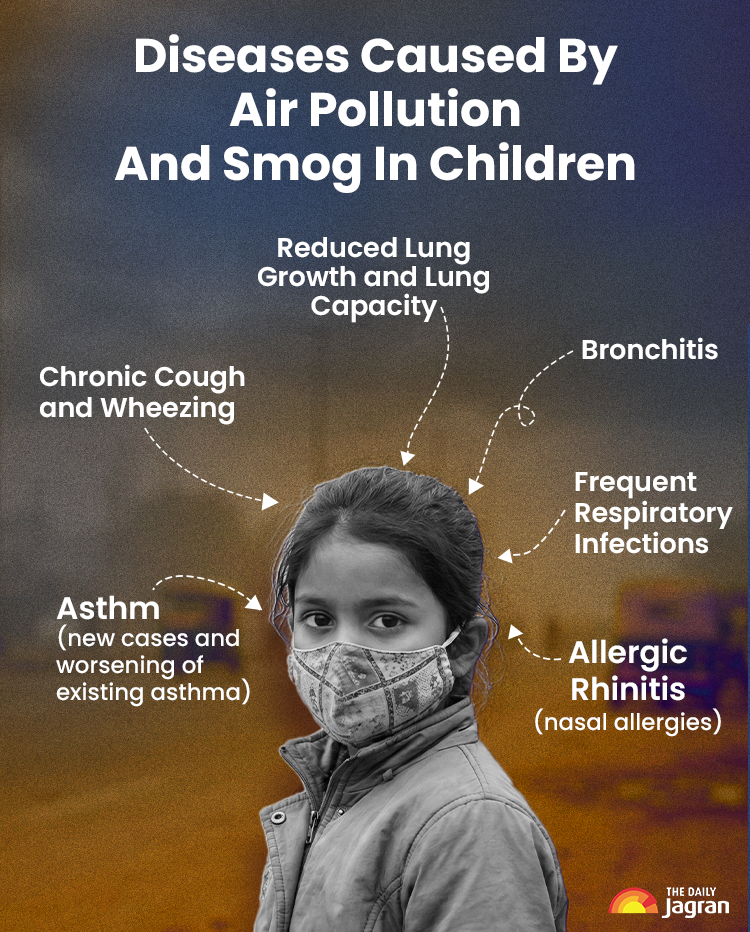
Doctors across Delhi confirm a sharp rise in respiratory illnesses among children, especially during high pollution periods. Prof Gupta says cases of asthma, wheezing, persistent cough and respiratory infections increase significantly when air quality deteriorates.
"There is a clear rise in winter-related respiratory illnesses among children, including recurrent cough, wheezing, bronchitis, sinusitis, and worsening asthma. Doctors are also seeing new cases of asthma in children with no family history, suggesting pollution as a major trigger," Dr Vikas Mittal added.
Year | Number of Acute Respiratory Illness (ARI) cases reported to the Emergency Department | Number of Cases of Respiratory Illnesses Requiring Hospital Admission |
2022 | 67054 | 9878 |
2023 | 69293 | 9727 |
2024 | 68411 | 10819 |
How Does Poor Air Quality Affect A Child's Ability To Learn And Concentrate?
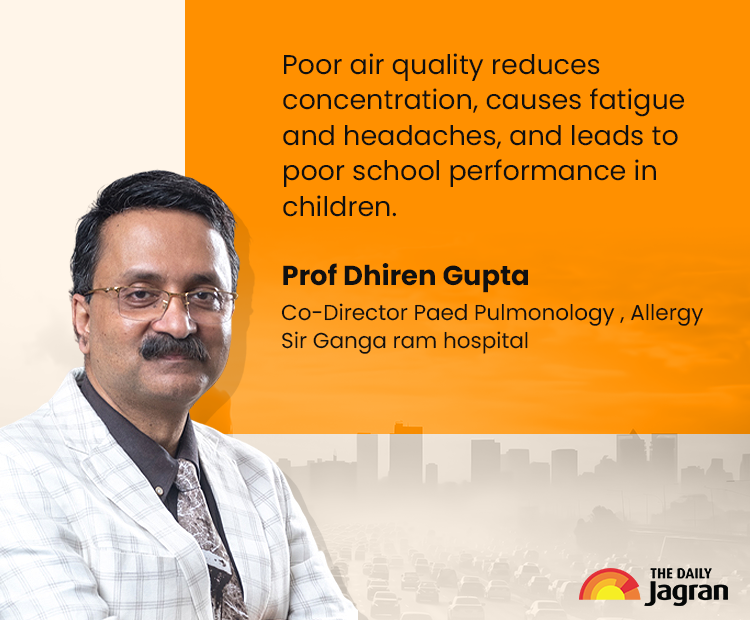
Medical experts warn that air pollution does not just affect the lungs, it also impacts the developing brain. "Poor air quality reduces concentration, causes fatigue and headaches, and leads to poor school performance in children," Prof Gupta explains.
Doctors say pollutants can cause inflammation in the brain, affecting attention, memory, and cognitive speed. Children exposed to high pollution levels often complain of disturbed sleep, tiredness and difficulty focusing in class. Some parents and doctors also report symptoms described as “brain fog,” though experts say more long-term studies are needed.
Does A Polluted Environment Affect Children's Mental Well-Being And Social Behavior?
Yes, experts say. During severe smog episodes, children are forced to stay indoors, limiting physical activity and social interaction. "Pollution restricts outdoor play and social interaction, affecting children’s mental well-being and behaviour," Prof Gupta says.
Mental health experts warn that prolonged indoor confinement can lead to anxiety, irritability, mood changes, emotional stress, attention problems and social withdrawal. Doctors also point out that a negative environment, combined with toxic microparticles entering the bloodstream, may impact long-term behavioural and cognitive development.
ALSO READ: Ex-Gangster Arun Gawli’s Daughters Suffer Huge Setback with Crushing Losses In BMC Elections
How Can Child Health Be Prioritised In Air Pollution Policy?
Doctors stress that protecting children must become central to air pollution policy. "Air pollution policy must prioritise children through cleaner air around schools and stricter emission control," Prof Gupta emphasises.
Experts suggest that schools should have better air quality monitoring, air filtration systems, and clear guidelines for outdoor activities during high pollution days. Urban planning must ensure schools are located away from traffic-heavy and industrial zones.
While temporary solutions like hybrid schooling or changes in academic schedules may help during extreme smog episodes, doctors say long-term measures, such as increasing green cover and shifting to cleaner energy sources, are urgently needed.
As Delhi continues to battle toxic air, doctors warn that the cost of inaction will be paid by its youngest residents, not just today, but for decades to come.
(This article is part of the series 'Smog Stories'. To read more articles in the series, click here)