
- By Nidhi Giri
- Thu, 15 Jan 2026 02:53 PM (IST)
- Source:JND
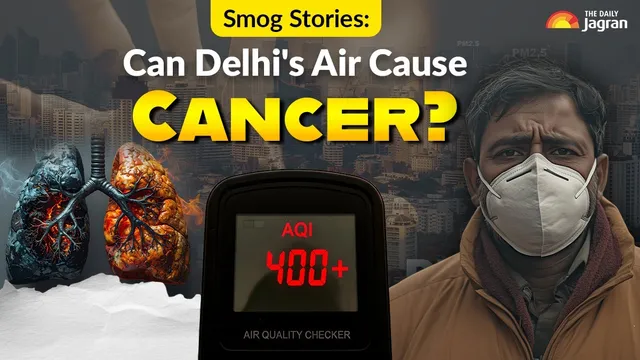
Smog Stories: Air pollution is no longer seen only as an environmental or respiratory issue. Scientific evidence now shows it also plays a significant role in cancer development. Experts caution that long-term exposure to polluted air can silently but steadily increase cancer risk. Global research has established a strong link between air pollution and lung cancer, underscoring the growing public health threat posed by poor air quality.
In 2013, the World Health Organisation's (WHO) specialised cancer agency, the International Agency for Research on Cancer (IARC), classified outdoor air pollution and one of its key components, particulate matter (PM), as carcinogenic to humans. It concluded that sufficient evidence shows that exposure to outdoor air pollution and PM causes lung cancer.
To explore the pollution-cancer link further, The Daily Jagran spoke with Sunil Dahiya, Founder and Lead Analyst at Envirocatalysts.
"Lung cancer remains the most clearly established outcome linked to air pollution,” Sunil Dahiya explains, adding that while bladder cancer has also been studied, the evidence there is less conclusive.
Long-term population studies have repeatedly shown higher lung cancer incidence and mortality in areas with elevated levels of fine particulate matter.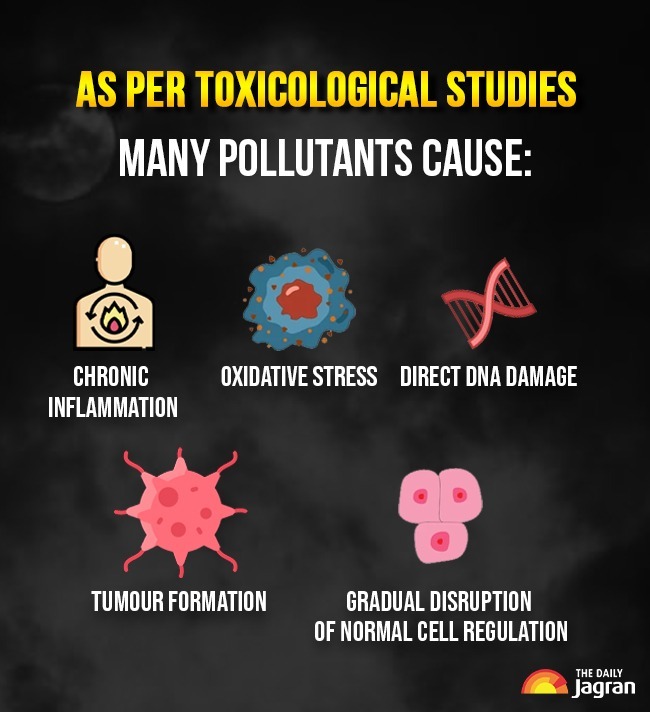
Not all pollutants, however, carry the same risk. Fine particulate matter, known as PM2.5, is considered most dangerous because it can penetrate deep into the lungs and enter the bloodstream.
“Pollution from traffic and fuel combustion, particularly diesel exhaust, is especially concerning due to its carcinogenic chemical composition,” Sunil Dahiya says.
Long-Term Exposure vs Short-Term Exposure
Dahiya explains that cancer risk is primarily linked to long-term, cumulative exposure rather than short-term spikes. While short-term exposure may trigger immediate respiratory or cardiovascular issues, repeated exposure over the years significantly raises cancer risk.
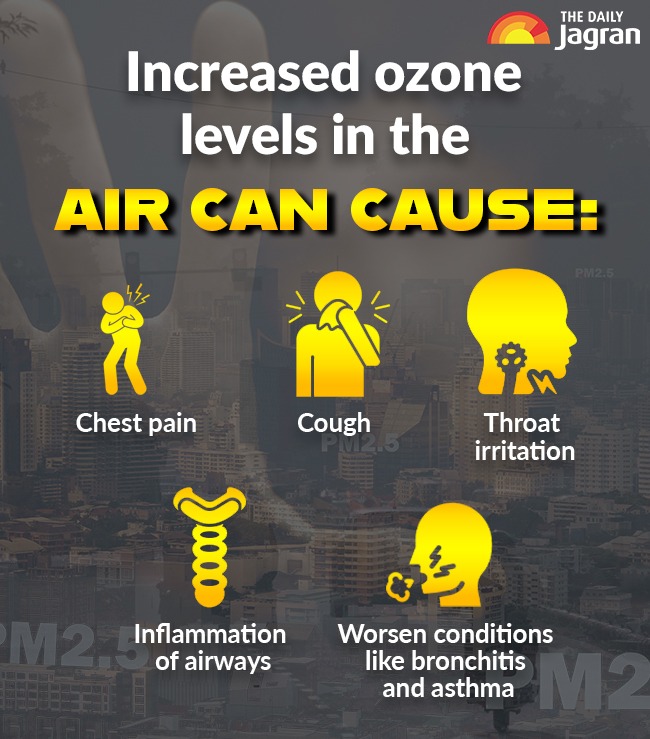
"PM 2.5 particles are so small that they can enter your lungs through your breath and from there, into your bloodstream. When these pollutant particles enter your body, they cause inflammation in many places, including the heart and arteries. They gradually affect heart function,” told Dr Sandeep Mishra, Former Director, Cardiology Department, AIIMS.
ALSO READ: Smog Stories: Delhi Remains World's Most Polluted City; Is There Any Hope For Clear Air Ever?
Can You Take Steps To Reduce Cancer Risk?
Although air pollution is largely a structural and environmental issue, individuals can still take protective steps. Reducing outdoor activity during high pollution periods, improving indoor air quality, wearing protective masks, and avoiding smoking can meaningfully lower personal exposure.
(This article is part of the series 'Smog Stories'. To read more articles in the series, click here