
- By Kamakshi Bishnoi
- Tue, 10 Mar 2026 10:35 PM (IST)
- Source:JND
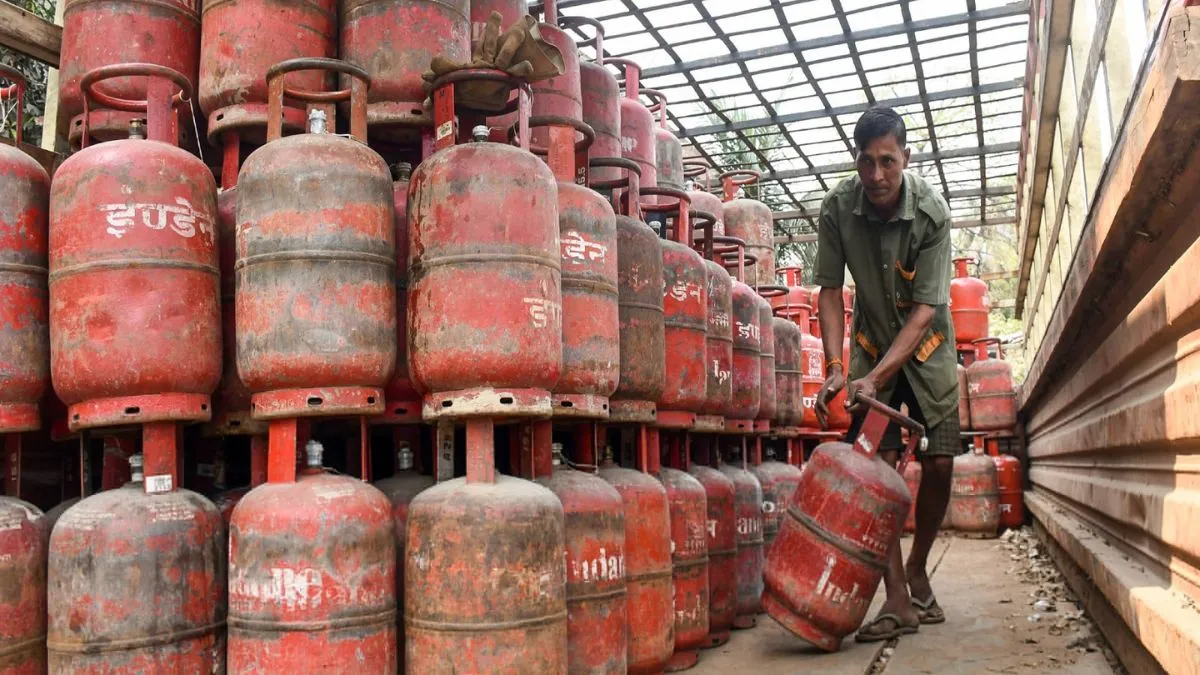
Amid the LPG cylinder shortage in major cities, the Ministry of Petroleum and Natural Gas has mandated e-KYC for domestic LPG consumers. The decision comes after the ongoing conflict between Iran, the US, and Israel caused disruptions in global fuel supplies.
"It is mandatory for all domestic #LPG consumers to undergo Biometric Aadhaar Authentication (e-KYC). The e-KYC process is free, simple and convenient. You can complete this in a few minutes from your smartphone, sitting at home," the ministry said in a X post.
सभी घरेलू #LPG उपभोक्ताओं को बायोमेट्रिक आधार प्रमाणीकरण (e-KYC) कराना अनिवार्य है।
— Ministry of Petroleum and Natural Gas #MoPNG (@PetroleumMin) March 10, 2026
e-KYC प्रक्रिया निःशुल्क, सरल और सुविधाजनक है।
इसे आप घर बैठे अपने स्मार्टफोन से कुछ ही मिनटों में पूरा कर सकते हैं।
बायोमेट्रिक आधार प्रमाणीकरण (e-KYC) प्रारंभ करने एवं विस्तृत जानकारी के लिए… pic.twitter.com/LIxorWzuBr
ALSO READ: Tamil Nadu: LPG Supply Shortage Amid Middle East War Prompts Hotels To Reduce Menu
The ministry also shared a link and guidelines to help users complete the process. Consumers need to download the mobile app of their respective oil marketing company, Indane, Bharat Gas, or HP Gas, along with the Aadhaar FaceRD app, and follow the instructions to scan their face and complete verification.
Steps to complete e-KYC:
- Visit the official website of your LPG provider or the petroleum ministry portal.
- Download the mobile app of your LPG company - Indane, Bharat Gas, or HP Gas.
- Install the Aadhaar FaceRD app on your smartphone.
- Log in to the LPG company app and follow the e-KYC instructions.
- Scan your face using the Aadhaar FaceRD app to complete the biometric Aadhaar authentication.
- Submit the details to finish the e-KYC process.
Meanwhile, the government has taken additional steps to stabilise LPG supplies. A gazette notification issued on March 9 stated that domestically produced natural gas will now be supplied on a priority basis to units manufacturing LPG.
Earlier, compressed natural gas (CNG) and piped natural gas (PNG) were the two sectors that received priority access to domestic natural gas. With the latest order, LPG production has also been placed on the priority list, meaning the requirements of LPG, CNG and PNG producers will be met before supplies are allocated to other sectors.
The measures come amid disruptions in global fuel supply triggered by escalating tensions in West Asia. Maritime traffic through the Strait of Hormuz, a key global energy route through which nearly one-fifth of the world’s seaborne oil and about one-third of global LNG shipments pass, has declined sharply following the recent conflict in the region.
To further address the situation, the oil ministry has also formed a committee to examine supply issues arising from the sudden shortage of commercial LPG cylinders.