
- By Sarju Saran Tiwari
- Mon, 02 Mar 2026 08:16 PM (IST)
- Source:JND
Mindfulness Curriculum Integration: Lately, student stress is a big worry in schools, homes, and with counselors. School stuff is harder, competition is crazy, and distractions from phones are everywhere. Even though buildings, tech, and what we teach have changed fast, students' feelings aren't always keeping up.
We teachers, need to think: are we just teaching kids to get good grades, or are we getting them ready for tough times? Being mindful in class isn't just some extra thing for feeling good; it's turning into something we seriously need to teach.
Why Students are Stressed?
Kids these days have a lot on their plates that kids before them didn't have as much of. Tests all the time, getting ready for big exams super early, comparing themselves on social media, and having to be great at school and after-school activities, it's a lot.
Some stress can push you, but too much messes with your focus, memory, sleep, and how you feel about yourself. It can also cause nervousness, burnout, and shutting down. So, schools have to do more than just talk to kids when they're already having problems; they need to help kids get stronger on the inside before things get bad.
That’s where mindfulness comes in, says Aditi Misra, Director, Dharav High School, Gurugram, who believes emotional resilience must begin inside classrooms.
What Mindfulness Really Is?
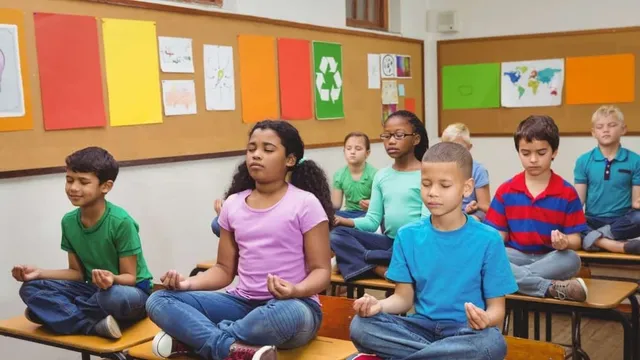
A lot of people think mindfulness is just being quiet or meditating. But it's about paying attention to what you're thinking, how you're feeling, and what's around you without judging it. It helps students take a breath before they freak out, to watch what's happening instead of getting lost in their heads, and to think before they act.
In class, being mindful can be quick breathing exercises, writing in a journal about your thoughts, talking about what you're thankful for, listening closely to others, or just being quiet for a couple of minutes before class starts. When you do these little things every day, they can really change things.
Making Focus Stronger and Doing Better in School
One of the best things about mindfulness is that it helps you focus. When your mind is calm, you learn better. When students can control their thoughts, they don't get as distracted by being nervous about messing up or worrying about what's going to happen.
Mindful stuff helps you pay attention longer and be more flexible in your thinking. Studies from schools all over the world show that students who do mindfulness programs are more engaged in class and handle their feelings better.
As Aditi Misra notes, good grades and being happy aren't opposites; they go together.
Creating Feelings That Last
You're not tough when things are easy; you're tough when you learn to handle difficult things without getting overwhelmed. Mindfulness teaches students to notice when they're stressed, their minds racing, breathing faster, and anger, and to deal with them.
When children understand their feelings, instead of hiding them, they feel better able to cope with difficult times. Tests, fights with friends, or feeling like they have to do well become things they can handle rather than big problems.
Over time, this helps them understand themselves better and be more compassionate, which is crucial for feeling good throughout life.
Making the Classroom a Kind Place:
Mindfulness isn't just good for individual students; it improves the entire class. When children practice understanding, listening to each other, and being aware of how others feel, they get along better. Bullying decreases, they work together more, and people are nicer to each other.
A mindful classroom is calmer, more open, and more focused. Teachers spend less time dealing with bad behavior and more time actually teaching.
But, for this to truly work, teachers must also be good at mindfulness. When a teacher stays calm and manages their emotions, it spreads throughout the class—a philosophy that Aditi Mishra, director of Dharav High School in Gurugram, strongly supports.
From quick fixes to long-lasting ones:
Workshops, pep talks, and fun wellness days are good, but they're not enough. Students' stress means we need to make feeling good a part of the school day.
Mindfulness should be integrated into schedules, teacher training, and school rules. It shouldn't be an extra; it should be a basic skill, like reading or math.
When schools care about feeling good in addition to grades, they are preparing students for exams and life.
Something we need to do:
Today's education needs to consider the whole child—their mind, emotions, and interactions with others. If we only care about grades, we may miss the struggles children are facing.
Mindfulness in the classroom is a way to help them develop in a balanced way. It doesn't require fancy things or major changes. It just requires effort, persistence, and the belief that feeling good from within is important.
As teachers, we need to do more than just prepare students for a competitive world. We need to prepare them for a life that is strong and full of meaning. By making mindfulness a long-term practice, we are helping them develop calmer minds, stronger characters, and healthier lives.