

- By Education Desk
- Wed, 11 Mar 2026 07:46 PM (IST)
- Source:JND
The 2026 doors of one of the most prestigious competitions in the world of engineering design have been opened. The James Dyson Award that has promoted more than 400 inventions over the years since its founding, is once again demanding university students and fresh graduates in 28 countries including India to enter solutions to some of the most troublesome issues globally.
The competition shows the young designers and engineers where to think outside the box and create something really useful. Regardless of the scale of the problem of annoyance and a massive humanitarian dilemma, entries will be judged by the clarity of their approach to the problem, originality, design thinking, and the relevance of their solutions to the real world. Importantly, the inventors are entitled to all intellectual property rights to their inventions.
How the Competition Works
The applications of aspiring entrants are accepted via the official James Dyson Award website until midnight on July 15, 2026. The judging will proceed in phases: submissions will be judged by national panels that will consist of independent experts and Dyson engineers and three national winners and two runners-up will be announced on September 9. An elite shortlist of 20 will then be chosen by a panel of Dyson engineers, who will be announced as global top 20 on October 14 followed by the ultimate global winners chosen by Sir James Dyson himself on November 4.
Nationals win £5,000 (approximately 6 lakhs) each and the world winner wins £30,000 (approximately 37 lakhs) besides a great deal of publicity and the platform to convert an idea into a commercial reality.
The Founder's Vision
The founder of the competition Sir James Dyson, who founded the competition in the James Dyson Foundation, stressed that he wants to support young individuals who do something instead of merely chatting about issues. He said that he is still excited by the quality of ideas that the competition breeds as he remarked that numerous competitors in the past have gone ahead to start their own businesses and introduce their innovations in the world markets.
India and its Emerging History of the Award
India has already created some of the best entries over the past few years, with 2025 being the most striking. A Kolkata student, Tunir Sahoo, also claimed the national title with JivaScope, a small and AI-powered device that is to be used on-site at home to screen heart and lung conditions. The pocket-sized device will democratise the process of early disease detection especially in underserved communities within India. Sahoo now is working on the device for clinical validation.

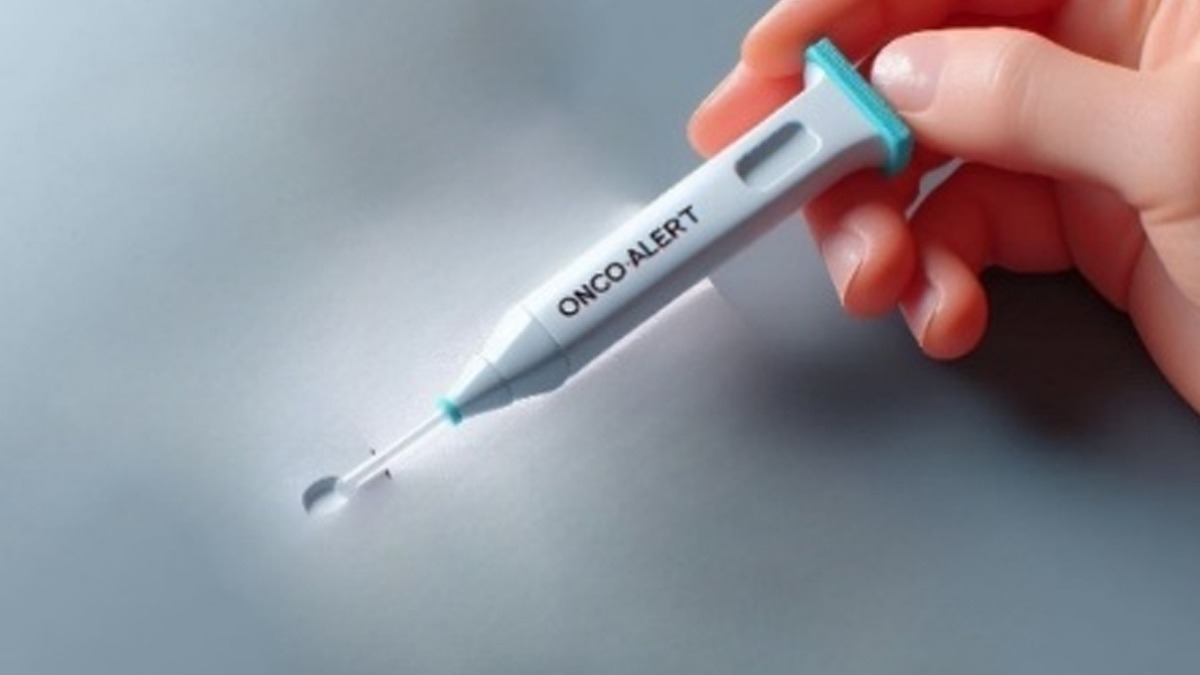
More important was perhaps OncoALERT, the creation of Jayanti Kumari, the first Indian entry ever to make the international Top 20. The invention addresses oral cancer, a disease which kills thousands of people in India annually mainly because of the fact that it was not detected at early stages. OncoALERT is a fast and needle-free diagnostics test that is based on nanotechnology, and can provide 95 percent accuracy with biodegradable paper strips. It was actually meant to operate in rural and resource-restricted environments without electricity, special training, or lab facilities.
James Dyson foundation About the James Dyson Foundation
The contest is sponsored by the James Dyson Foundation, a charitable trust which was formed in 2002 with an aim of motivating the young generation of engineers. In addition to the operation of the Award, the Foundation helps in supporting medical research and has donated more than £155 million to charitable organizations all over the world.
Entries have now been made at the James Dyson Award site.