
- By Sarju Saran Tiwari
- Sun, 24 May 2026 02:53 PM (IST)
- Source:JND
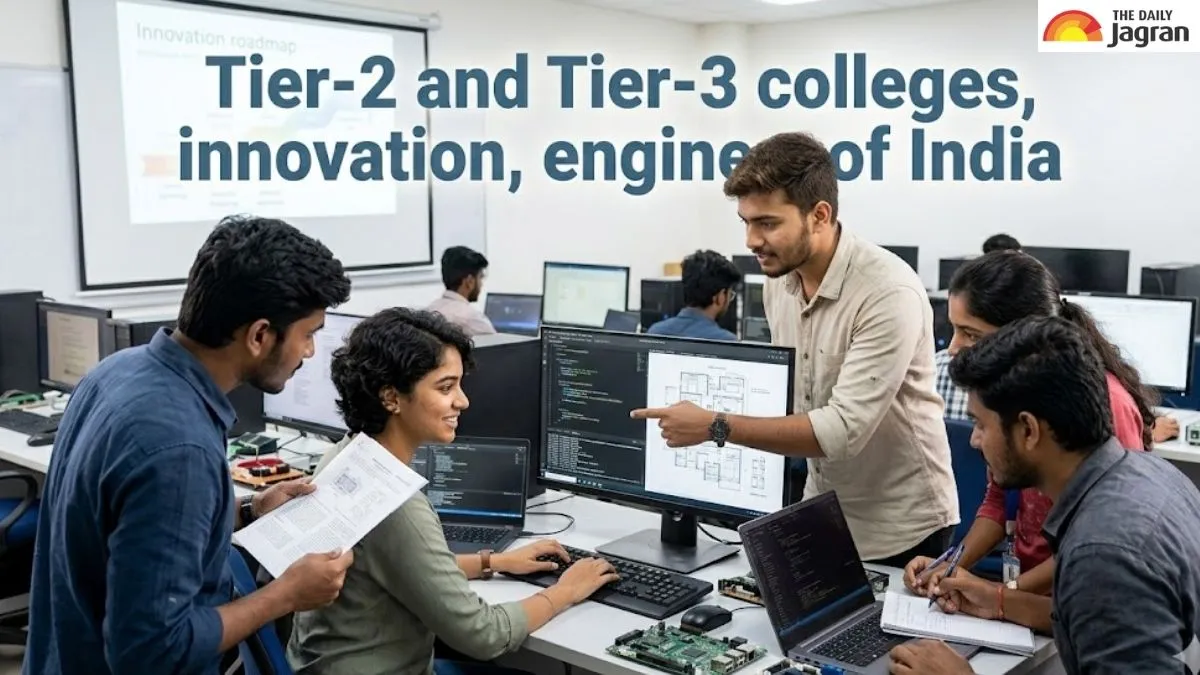
Indian Tier 2 And Tier 3 Colleges: India’s higher education system has traditionally been dominated by the reputation of premier institutes like IITs and IIMs. However, the next major education revolution is taking shape in Tier-2 and Tier-3 cities, where thousands of institutions are increasingly prioritising employability and industry readiness over institutional prestige.
Ashish Munjal, Co-Founder & CEO - Sunstone | Founder - Alta School of Technology, highlighted that as India’s Gross Enrolment Ratio moves towards 32 per cent by 2030, colleges in smaller cities are quietly reshaping the education landscape. These institutions now cater to more than half of India’s college-going population and are building practical, outcome-driven education models.
From Degrees to Deliverables:
The focus of higher education is gradually shifting from traditional degrees to employability and practical outcomes. According to him, recruiters are now increasingly hiring from non-metro colleges due to their emphasis on practical exposure and industry readiness.
A 2024 NASSCOM report revealed that 62 per cent of recruiters intentionally hired students from Tier-2 and Tier-3 colleges. Institutions are also redesigning curricula with industry participation in sectors such as analytics, BFSI, logistics, and digital marketing. Several colleges now include six to nine-month corporate immersion programmes as credit-based learning components.
Technology Bridging the Gap
Digital infrastructure has significantly reduced the divide between metro institutions and colleges in smaller cities. He said AI-powered adaptive learning platforms and predictive analytics tools are helping institutions personalise learning and improve student engagement.
According to the Ministry of Education’s 2025 digital readiness report, more than 70 per cent of Tier-2 and Tier-3 colleges have adopted advanced digital learning systems. In regions such as Gujarat’s industrial corridors, engineering students are also receiving Industry 4.0 training through augmented reality labs linked with factory operations.
Local Ecosystems with Global Opportunities
Tier-2 and Tier-3 colleges are increasingly aligning courses with local industrial ecosystems while integrating global certifications and international exposure. According to him, this balance is helping students become regionally skilled and globally employable.
The National Skill Development Corporation estimates that these campuses will contribute nearly 35 per cent of India’s advanced engineering talent pool by 2028. A 2024 CII survey also reported a 40 per cent rise in internship intake from colleges located in smaller cities.
A Shift Towards Lifelong Career Support
New financing models such as deferred tuition and outcome-based fee structures are also transforming the education ecosystem. He explained that institutions are now focusing on long-term career partnerships instead of limiting education to a four-year academic process.
Hybrid classrooms, corporate mentorship programmes, alumni-backed hiring initiatives, and continuous reskilling support are gradually converting campuses into long-term talent development centres.
Redefining India’s Education Landscape:
A Blind survey involving 1,600 Indian technology professionals working in global firms revealed that nearly 34 per cent of recent hires at companies such as Nvidia and Apple came from Tier-2 and Tier-3 colleges.
According to him, India’s next education revolution is not limited to metro campuses anymore. Instead, it is emerging from smaller cities where institutions are creating digitally skilled, adaptable, and industry-ready graduates capable of competing globally.