
- By Shibra Arshad
- Sat, 21 Feb 2026 01:35 PM (IST)
- Source:JND
New Trump Tariffs: After the US court struck down the additional tariffs imposed by Donald Trump using the International Emergency Economic Power Act (IEEPA), stating the severe trade deficit is an emergency situation, Washington announced a 10 per cent global tariff. Suspension of the additional tariffs by the US court could be good news for countries facing high tariffs on their goods, as it redefines the trade rates on foreign products exported to America.
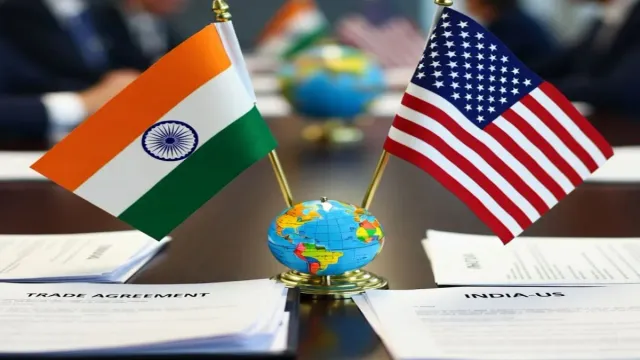
The development coming within days after India and the US announced the bilateral trade framework in early February, redefines the tariff rates on Indian exports to America once again. The court ruling has also left the dozens of other trade agreements negotiated under the now-invalid emergency tariffs hanging in the balance.
How Will 10% Tariffs Affect Indian Exports To America
The latest development will once again alter the tariff rates imposed on Indian products entering the US market. Before this US duty on Indian products had fluctuated heavily. The escalation began in April 2025, when Trump imposed reciprocal tariffs of 25 per cent on Indian products, which were increased to 50 per cent in August, owing to 25 per cent punitive tariffs on India for buying oil from Russia. Recently, after a telephonic conversation with Prime Minister Modi, Trump announced a fresh deal between India and the US, reducing tariffs on Indian products to 18 per cent.
The Russia-related component was removed on February 6 this year after India agreed curtail its direct oil import from Russia. The reciprocal component was reduced to 18 per cent after a fresh trade framework was discussed between the two countries.
The reduction in tariff rates was to take effect from April this year, but the US SC struck down the emergency tariffs imposed by Trump, effectively resetting the tariffs on Indian products to the most-favoured-nation (MFN) levels. Before the tariff escalation, the average weighted duty on Indian goods entering the US stood at around 3 per cent.
Layered with 10 per cent global tariffs, most of the Indian products now face tariffs rates closer to 10 per cent during the 150 days covered by the executive order.
Products such as mobile phones and pharmaceuticals, which were subject to zero duties under the reciprocal tariff arrangements, are likely to retain their exempt status. Products facing higher sector-specific tariffs based on national security under the section 232 will continue to face higher tariff rates. These products include steel, automobiles, and others.
ALSO READ: US Court Ruling: India's Reciprocal Tariffs Drop to 10 Percent
How Will US Court Ruling Affect India-US Trade
Despite the US SC invalidating the additional tariffs, Trump has repeatedly said that a broader trade arrangement between India and the US will remain unaffected.
“Nothing changes on Indian trade deal, we are not paying tariffs to India and India is paying tariffs to us. We did a little flip (from the earlier situation),” Trump said, signalling that the reciprocal nature of tariff concessions between the two sides would remain intact in principle.